


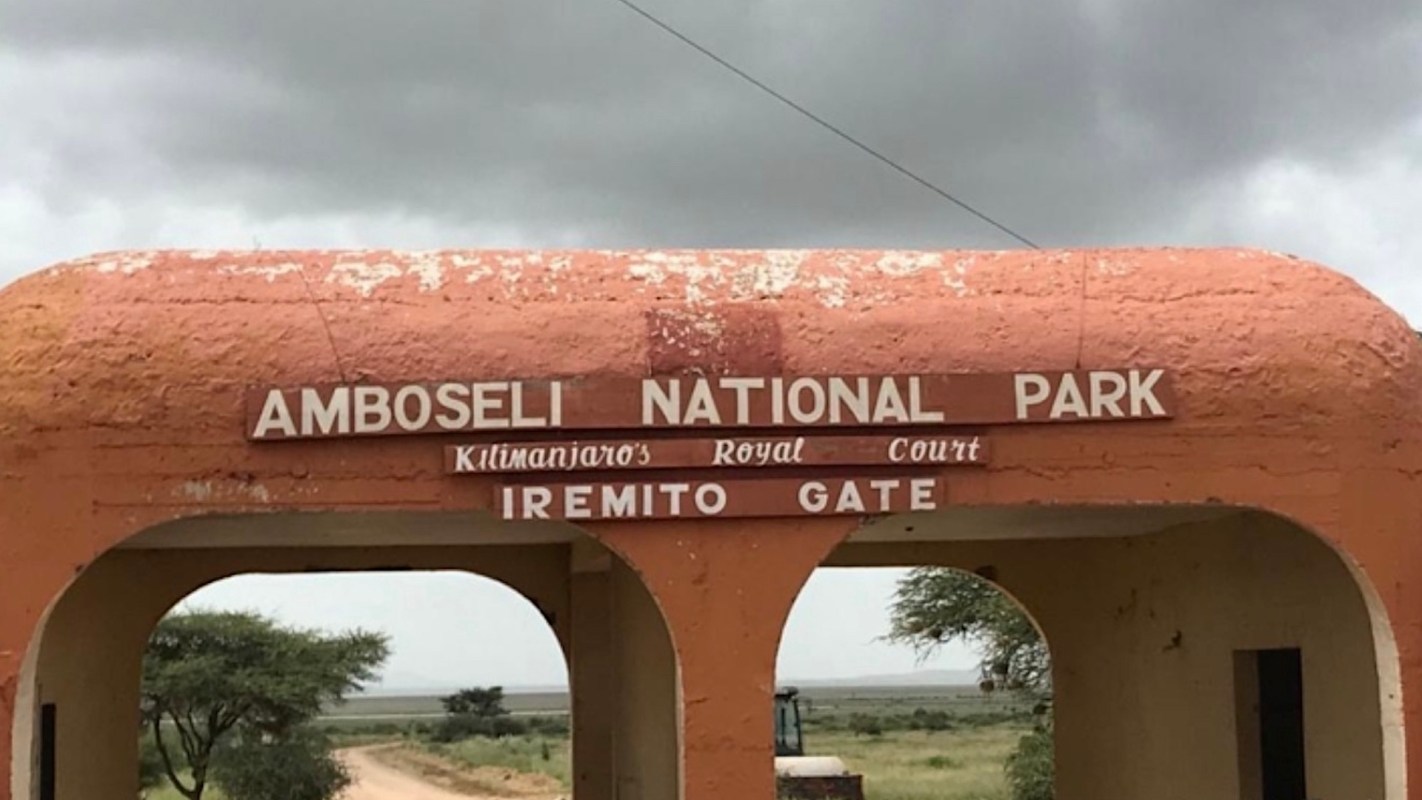
Fifteen elephants have died in and around Kenya's Amboseli National Park over the past month, and wildlife officials are still trying to determine why, the Guardian reported.
What happened?
The deaths were recorded by the Kenya Wildlife Service (KWS) in areas around the park, specifically Kimana sanctuary and Kuku ranch, the Guardian noted. Most of the animals were females and young elephants, with only one male among the dead.
Investigators were unable to determine a cause of death in five cases because the carcasses were too decomposed or had been scavenged. In the other 10 cases, KWS said the elephants became partially paralyzed before dying about two days later, the outlet noted.
Early testing has not provided a clear answer. The Guardian reported that samples analyzed at a University of Nairobi laboratory indicated a "potential toxic substance," while a government laboratory did not detect the toxins it examined.
The park's elephant population is estimated at about 2,000, and the national park is famous for its herds, the outlet said.
Why does it matter?
When elephants die in unusual numbers, it can signal environmental trouble that affects nearby communities, tourism-dependent livelihoods, and confidence in the safety of local water and land.
TCD Picks » Quince Spotlight
💡These best-sellers from Quince deliver affordable, sustainable luxury for all




Amboseli's wildlife helps support an economy tied to visitors, guides, lodges, and surrounding communities. A sudden cluster of deaths, especially among mothers and calves, can disrupt ecosystems and tourism-dependent areas.
Kenya has previously recorded elephant poisonings connected to poaching and human-wildlife conflict, the Guardian said. If a toxin or contaminant is involved in this case, the problem may extend beyond these 15 animals.
What's being done?
Officials are continuing to test samples and examine the affected areas as KWS works to determine the cause. That includes additional laboratory analysis as well as environmental checks in the field.
"Environmental investigations are also being undertaken, including the analysis of water sources and other potential environmental contaminants within the affected areas, to establish whether the elephants were exposed to a common source," the authorities said in a statement shared by the Guardian.
Officials said there is no evidence the condition can be transmitted to humans, per the outlet. If poaching or foul play is involved, there are numerous efforts to combat those practices.

Get TCD's free newsletters for easy tips, smart advice, and a chance to earn $5,000 toward home upgrades. To see more stories like this one, change your Google preferences here.







