


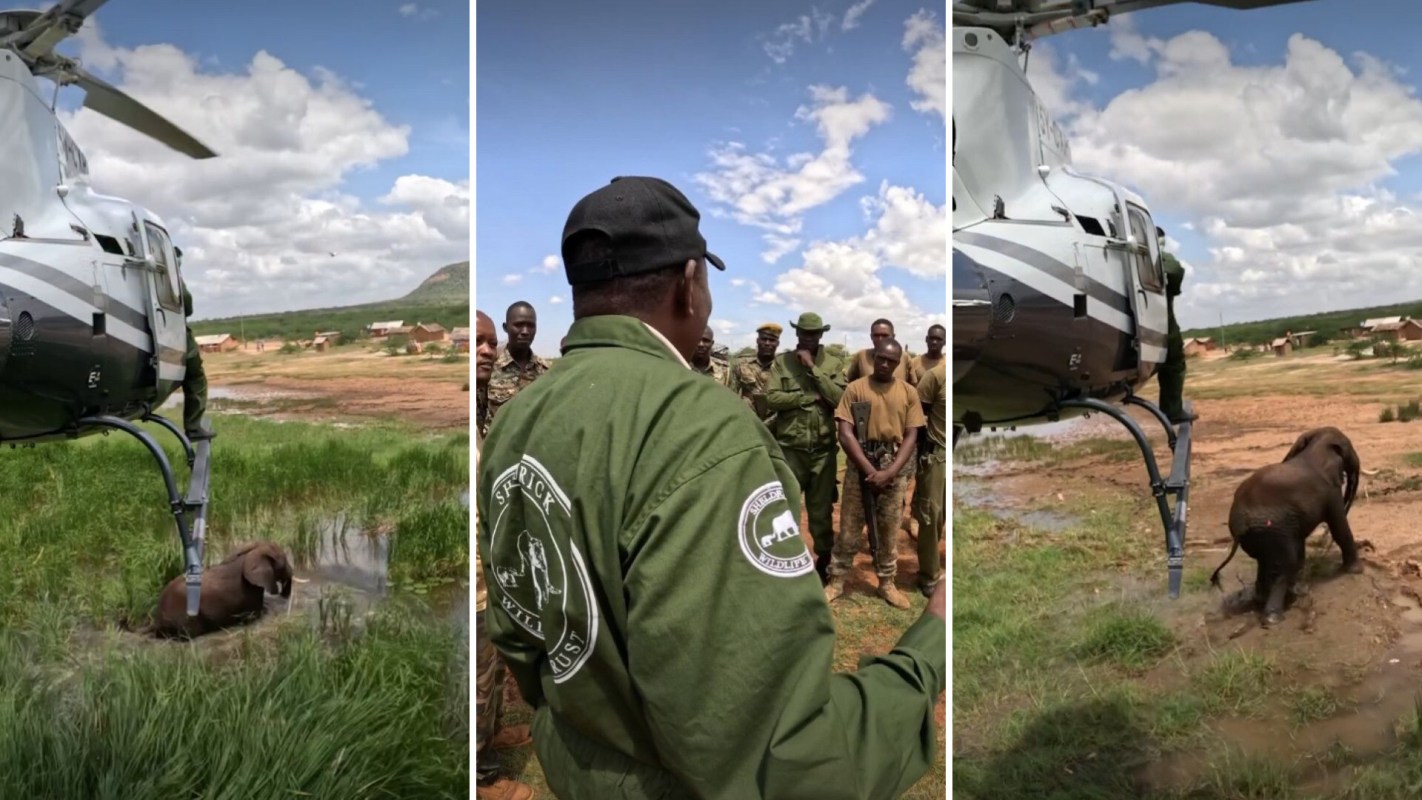
In Kenya, finding an injured elephant quickly can mean the difference between full recovery and a fatal outcome. A rescue post from the Sheldrick Wildlife Trust (@sheldricktrust) offers a vivid look at how conservation teams are working to close that gap.
Although the video follows a single injured bull elephant, it is also a window into the broader rescue system built to reach wildlife before injuries become fatal.
Here's what to know
The trust framed the rescue effort in the caption as "elephant conservation in action," and an "emergency response for nature's giants."
The featured bull was speared during human-wildlife conflict and later made a full recovery after treatment. The video shows the multiple layers of effort, as the bull is spotted from the air.
Afterward, a crew rushed to the vulnerable animal to get it on its side, so it could receive life-saving treatment, including medication for its wounds.
The organization says cases like his are found through daily patrols conducted from the air and on the ground across Kenya's wild spaces, where teams look for both threats and animals in distress.
TCD Picks » Quince Spotlight
💡These best-sellers from Quince deliver affordable, sustainable luxury for all




The trust said its aerial surveillance was locating nearly two injured animals a week, averaging 1.98.
In partnership with the Kenya Wildlife Service, the trust says its seven SWT/KWS Mobile Veterinary Units have responded to more than 4,100 elephant cases.
More background
The trust emphasized that "prevention, detection, and intervention go hand-in-hand."
Human-wildlife conflict remains a serious challenge in parts of Kenya, where expanding development, farming pressures, and overlapping land use can bring people and wild animals into dangerous contact.
For elephants, injuries from spears, snares, or other encounters can become life-threatening if they are not spotted quickly.
Aerial surveillance and mobile treatment teams allow conservation groups to respond across vast areas, where elephants move freely and traditional clinic-based care is not possible.
One commenter pointed to the importance of trust between conservation workers and nearby residents.
"Good relations with the community are the backbone to resolving wildlife conflict," they wrote. "Again and again I read your stories [of] how community members contact KWS when they're having a problem or see wildlife in distress."

Get TCD's free newsletters for easy tips, smart advice, and a chance to earn $5,000 toward home upgrades. To see more stories like this one, change your Google preferences here.







