


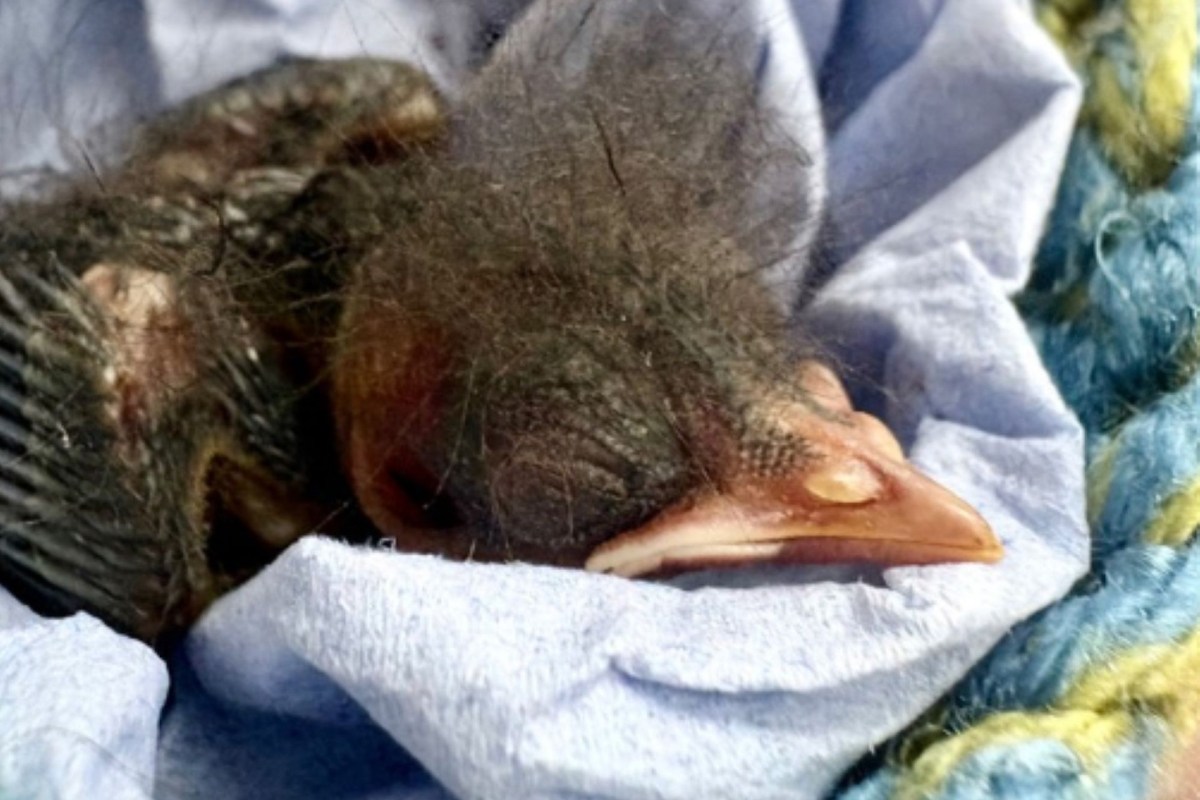
A small baby bird is capturing hearts on Instagram after rescuers posted images of its unique hairdo.
The chick, a dunnock nestling, was brought into a Wildlife Aid Foundation center in the UK after falling out of its nest. Now, images of the small animal in recovery have garnered hundreds of likes online.
What happened?
In an Instagram post, Wildlife Aid uploaded photos of the young bird after it had been taken in for care.
The rescue group said the nestling had fallen from its nest and was found by itself in unsafe conditions.
In the caption, Wildlife Aid said the baby bird "was alone, exposed to the severe heat, and even had two small puncture wounds on his left side." The group said its veterinary team disinfected those wounds upon the bird's arrival.
Wildlife Aid said the chick is only a few days old, making quick help especially important.
TCD Picks » Quince Spotlight
💡These best-sellers from Quince deliver affordable, sustainable luxury for all




The nestling was given food and water, both important for a bird that young after being left exposed outdoors.
The post paired the rescue with a touch of humor, joking about the bird's unruly hair in the caption: "Now that's how you wear an afro!"
Why does it matter?
Even small wildlife rescues like this show how quickly heat can become dangerous for animals, especially babies.
Nestlings cannot move far, regulate their body temperature well, or find water on their own, so exposure can become serious quickly.
A fall from the nest is already risky, but high temperatures combined with open wounds raise the stakes. Dehydration, shock, and infection can all become immediate concerns for a bird that is only a few days old.
Wildlife emergencies do not always look dramatic at first glance. A cute baby bird in a yard or garden may actually be in urgent need of professional help if it is featherless, injured, or left exposed for long periods.
As temperatures rise, birds and other backyard wildlife can become more vulnerable, especially during breeding season, when young animals are still dependent on nests and parents.
What's being done?
Wildlife Aid said the bird started receiving care upon arrival at the rescue.
Early treatment focused on disinfecting the puncture wounds and giving the chick food and water after its time in the heat.
Because the bird is so young, the rescue group said it will be cared for at home before hospital care. After that, the organization explained, "he'll receive 24/7 care from our amazing team until he's strong enough to take on the wild!"

Get TCD's free newsletters for easy tips, smart advice, and a chance to earn $5,000 toward home upgrades. To see more stories like this one, change your Google preferences here.







