


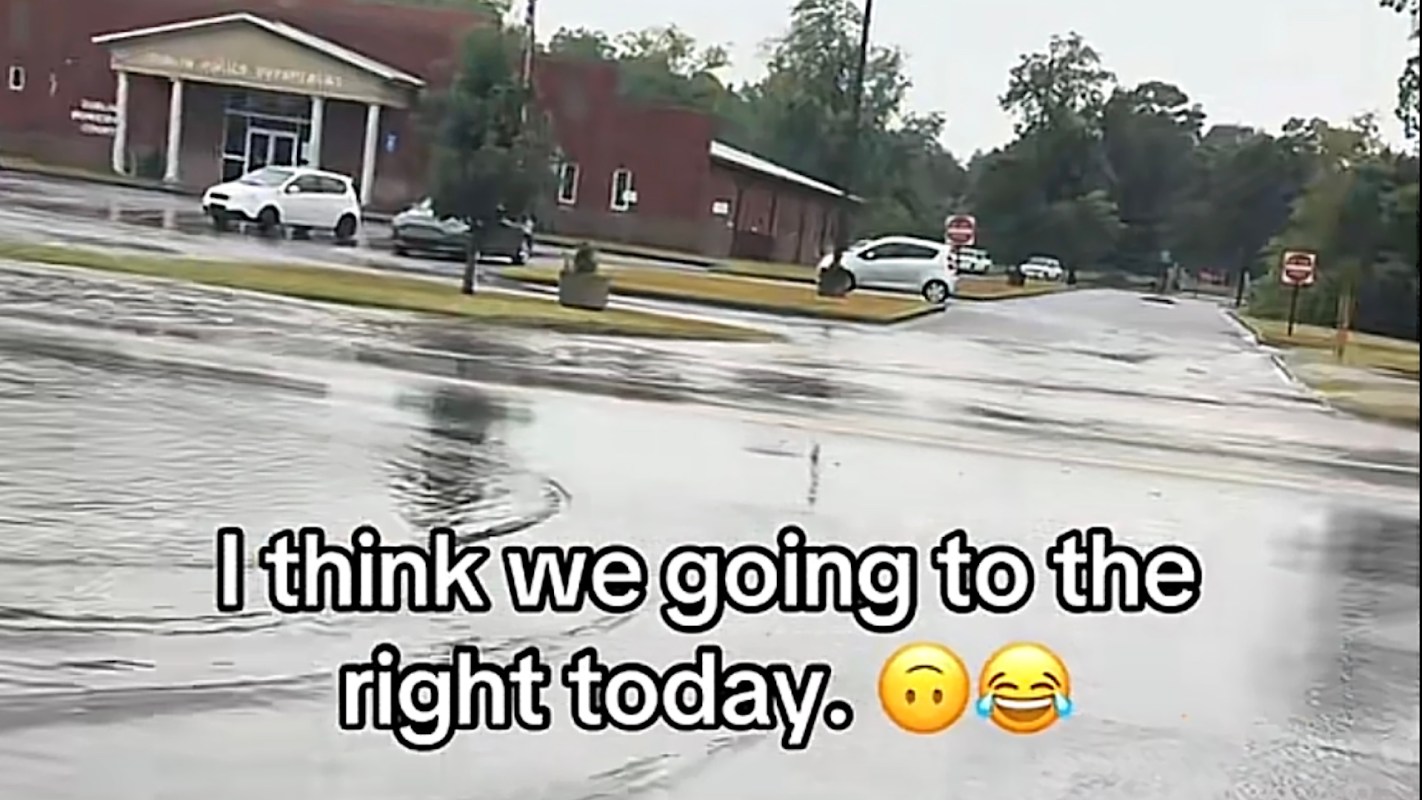
A Georgia resident shared a TikTok showing how flooding can disrupt everyday life after a normally routine trip home came to a halt when a neighborhood street was submerged.
The short clip showed the flooded route, and the creator decided against driving into it, captioning the video, "I think I'll take the long way home today."
What's happening?
In the video, flash flooding covered the road, prompting Breaking Brad (@breaking_brad92) to go another way.
@breaking_brad92 I think I'll take the long way home today. 😅😂 #flooding #flashflood #dang #flooded #dublinga ♬ Five Feet High and Rising - Johnny Cash
While Brad joked about the situation, the footage shows dangerous conditions that are becoming more common in the United States as the changing climate increases the risks of extreme weather.
People are using social media to document blocked roads, rising water, and travel disruptions in real time. What may once have seemed like a local inconvenience is now increasingly part of a broader pattern of intense rainfall and flash flooding.
Why does it matter?
Flash flooding is one of the most dangerous forms of extreme weather because it can develop quickly, overwhelm roads, and catch drivers off guard. A street that appears passable can conceal fast-moving water, damage beneath the surface, or debris that creates a safety risk.
TCD Picks » Quince Spotlight
💡These best-sellers from Quince deliver affordable, sustainable luxury for all




Worsening extreme weather disasters threaten lives and livelihoods by damaging homes, closing roads, disrupting work, and driving up cleanup and repair costs for communities.
Flooding can also pose public health risks through contaminated water, mold, and sewage overflows, while repeated road closures and property damage strain local economies and emergency services.
What can I do?
For local governments, one of the clearest responses is to improve drainage, maintain stormwater systems, and identify roads that flood repeatedly. Warning systems, barricades, and fast public alerts can also keep drivers out of dangerous conditions.
For drivers, the most important step is the one shown in the video: Do not drive through floodwater. Taking an alternate route may be frustrating, but it is the safest option. Checking weather alerts before heading out, allowing extra travel time, and knowing backup routes can also reduce risk when heavy rain moves in.
Residents can report clogged drains, flood-prone intersections, and problem areas to local officials. Those reports can help governments and communities prioritize maintenance and upgrades.
While small personal actions will not solve extreme weather problems, they can help people stay safe and avoid turning a routine commute into an emergency.

Get TCD's free newsletters for easy tips, smart advice, and a chance to earn $5,000 toward home upgrades. To see more stories like this one, change your Google preferences here.







