


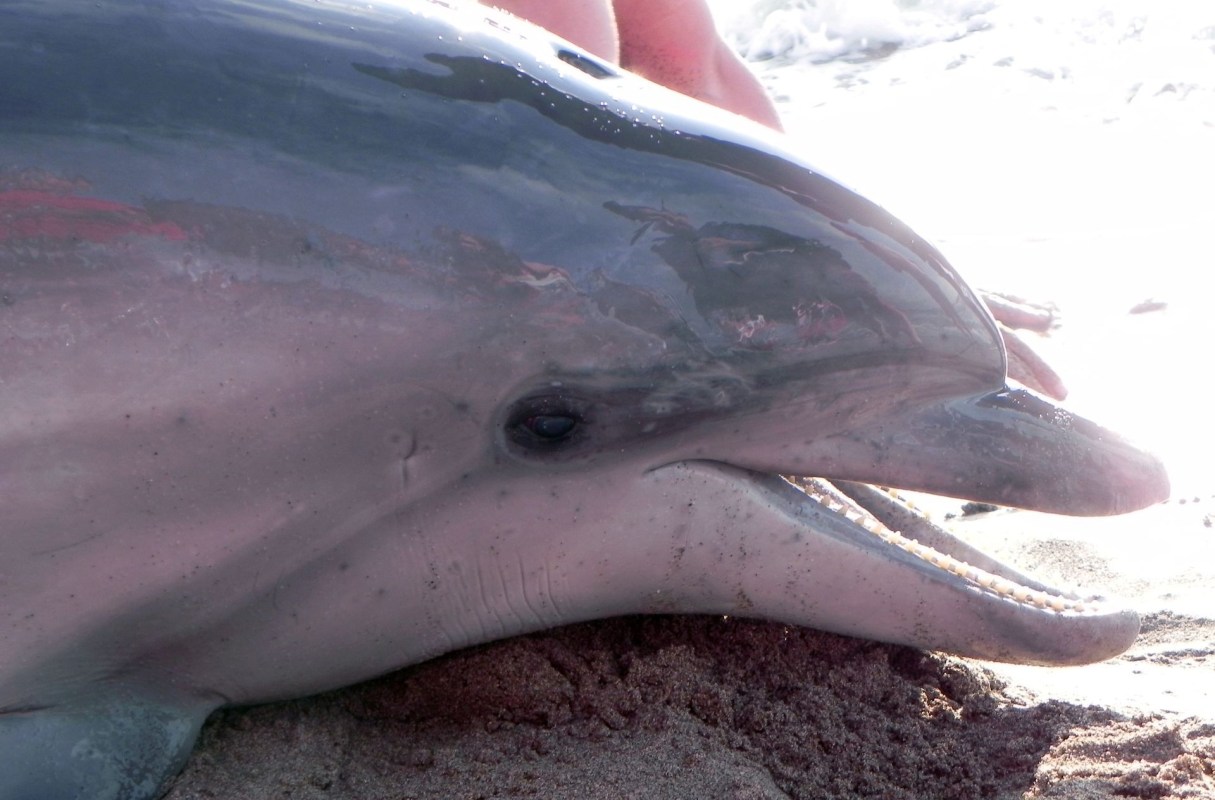
After a young dolphin calf washed up on a beach in Phuket on July 31, lifeguards rushed to keep it alive until marine specialists could take over. The calf is now receiving round-the-clock medical care.
What happened?
According to The Phuket News, the calf was found stuck on the shores of Patong Beach in Kathu district, and lifeguards immediately stepped in while waiting for trained marine responders to arrive.
While the dolphin was still on the sand, lifeguards kept its body wet with seawater, covered it with damp cloths to stop it from getting too hot, and watched its condition carefully.
The outlet reported that staff from Phuket's Andaman Sea Marine and Coastal Resources Research and Development Center reached the beach later and were able to safely transport the dolphin to the center's facility at Cape Panwa in Wichit for a full veterinary examination.
The Phuket News said veterinarians and marine specialists are now watching the dolphin continuously in hopes that it will recover and be able to return to the wild.
Why does it matter?
Dolphins are part of coastal ecosystems that support marine biodiversity, tourism, and local identity.
TCD Picks » Quince Spotlight
💡These best-sellers from Quince deliver affordable, sustainable luxury for all




A stranded dolphin calf faces serious risks almost immediately. Out of the water, marine mammals can become stressed, overheated, and physically strained, especially when they are young and already vulnerable.
Beach staff and marine experts worked together after the animal stranded near a busy tourist area. As the report noted, responders also cordoned off the area around the dolphin so bystanders would not come too close and increase its stress during the rescue.
Crowd control can prevent interference with treatment, reduce stress on a distressed animal, and make it easier for trained responders to work safely.
Other aquatic wildlife have faced issues of people getting too close irresponsibly — one New Zealand man was fined after a video showed him deliberately jumping into the water to harass endangered orcas.
What's being done?
At the marine research and development center, veterinarians and specialists are continuing to observe the calf at all hours and assess whether its condition is improving.
Whether the dolphin calf can make it back to the wild will depend on how it responds to professional care. Lifeguards stabilized it on the beach, and marine specialists are now carrying that effort forward in hopes of its recovery.

Get TCD's free newsletters for easy tips, smart advice, and a chance to earn $5,000 toward home upgrades. To see more stories like this one, change your Google preferences here.







