


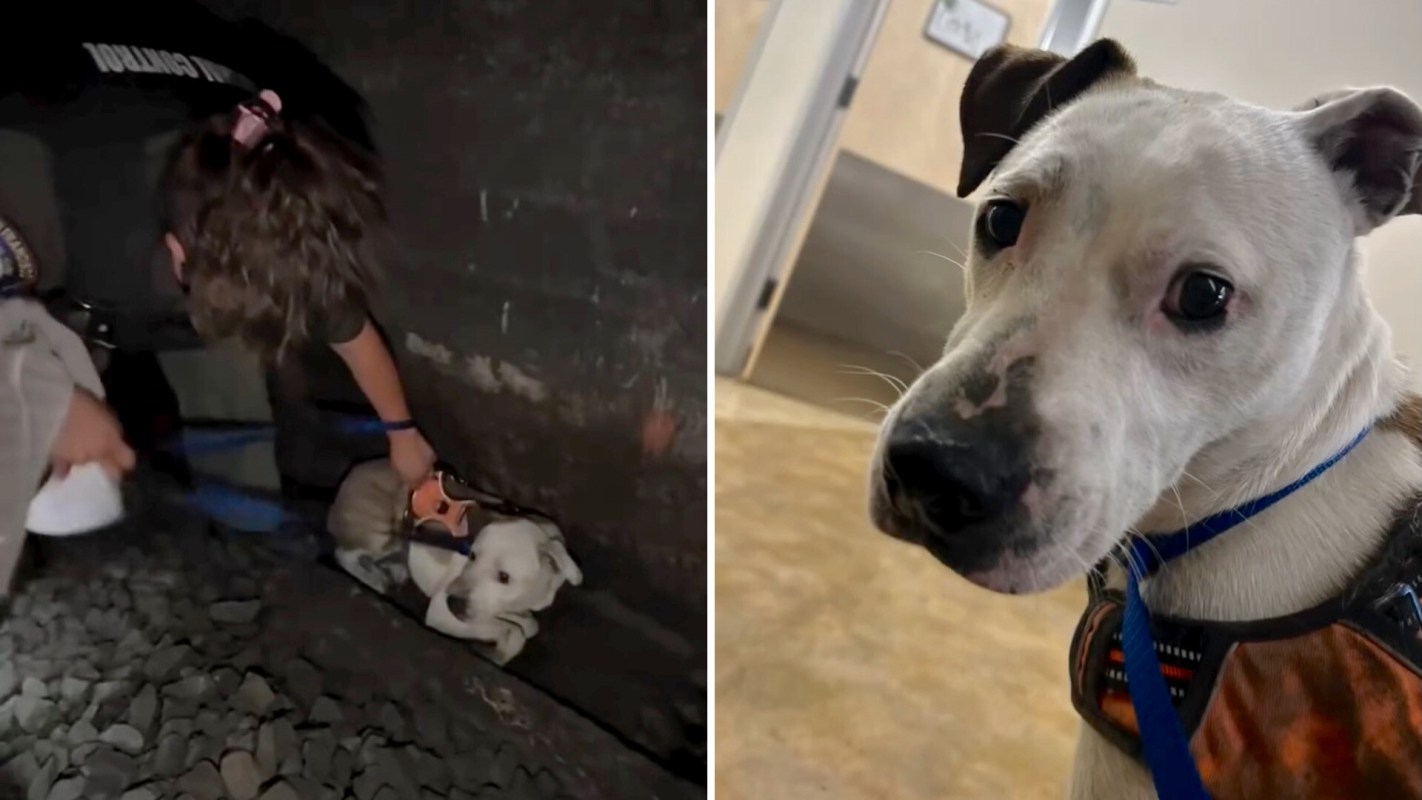
For two days, a dog named Roo remained tucked inside a dark, underground San Francisco train tunnel, out of reach and dangerously close to active rail service.
A careful rescue effort — along with one tiny piece of pet tech — ultimately helped bring him home safely.
What happened?
The first people to notice Roo were train operators, and at first the scene appeared far worse than it was. ABC7 News reported that operators initially believed he had been hit by a train before realizing he was moving and uninjured.
In fact, Roo was alive and just hunkered down in the tunnel, the outlet reported. Wildlife officials entered the tunnel and brought him out after he had been there for two days.
After the rescue, Animal Care & Control San Francisco learned that Roo had been recently adopted and was microchipped. That chip made it possible to reunite him with his owner.
Why does it matter?
Roo got caught in the precarious situation shortly after he was adopted and as he was settling into unfamiliar surroundings, a time when newly adopted pets can be especially vulnerable. Even in loving homes, dogs can bolt if they become startled, disoriented, or overwhelmed by new routines, sounds, or environments.
TCD Picks » Quince Spotlight
💡These best-sellers from Quince deliver affordable, sustainable luxury for all




The incident underscores how quickly pets can get in danger after escaping their homes, and how valuable technology like microchipping can be for pet owners.
Microchipping can help reunite lost animals with their owners. Collars and tags can fall off, but a registered microchip can serve as a crucial backup when a lost animal is found. In Roo's case, it helped close the gap between rescue and reunion.
What's being done?
Many experts recommend making sure a dog's microchip is registered and up to date, double-checking gates and leashes, and giving newly adopted animals time to decompress in secure spaces. Slow introductions to a new home and neighborhood can also reduce the chance of panic-driven escapes.
Roo's experience ended well because several layers of protection worked together — alert transit staff, trained rescuers, and a permanent ID that stayed with him when everything else went wrong.
Roo is now safely back home.

Get TCD's free newsletters for easy tips, smart advice, and a chance to earn $5,000 toward home upgrades. To see more stories like this one, change your Google preferences here.







