


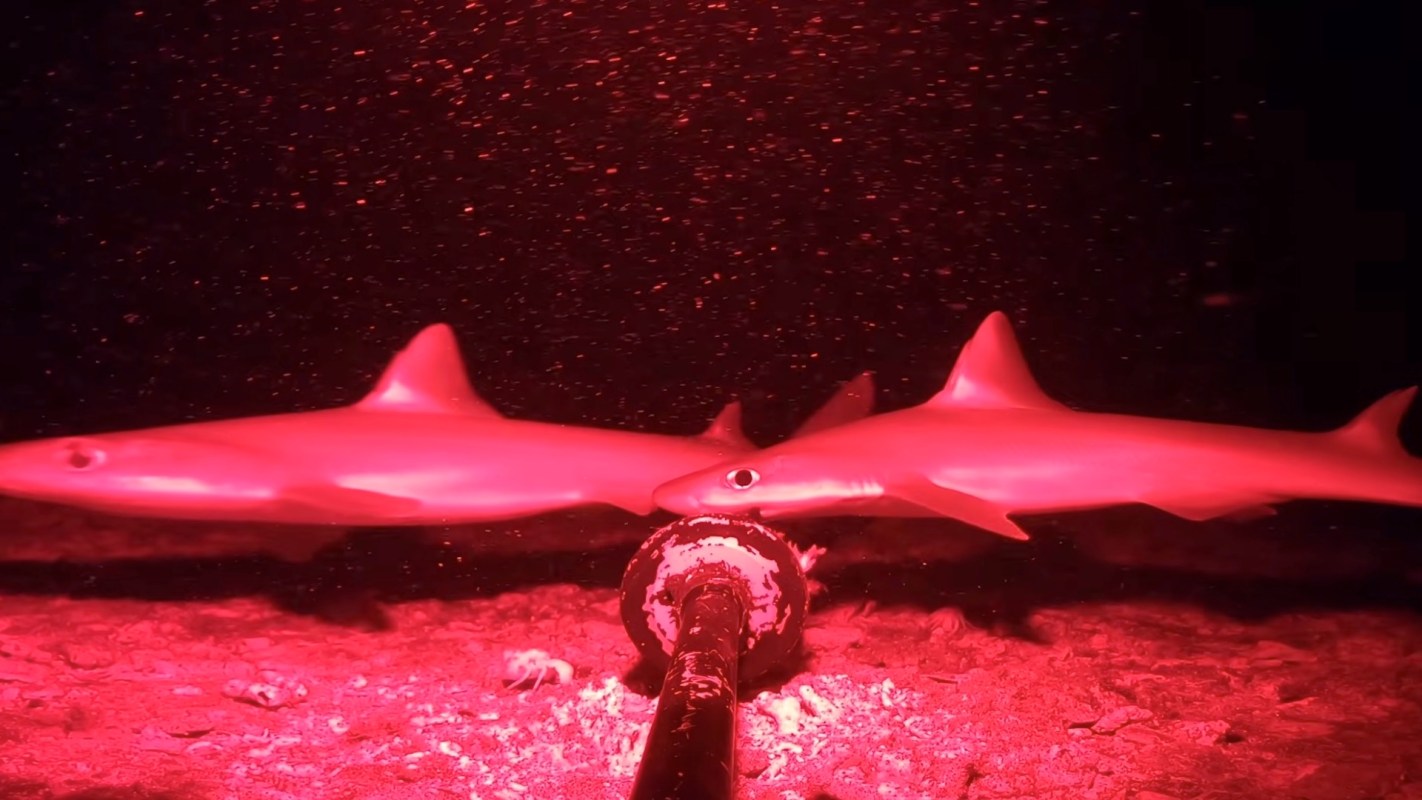
A U.K. wildlife YouTuber just pulled off the kind of deep-sea reveal that feels like science fiction.
After lowering a night vision camera nearly 800 feet into the dark waters off Indonesia, they captured footage of rare marine animals that few people have ever seen alive.
Barny Dillarstone (@barnydillarstone) recorded the scene near Nusa Penida off the coast of Bali, offering a striking glimpse into life in the deep Indian Ocean.
According to Digital Camera World, Dillarstone said the project may include the first video of an Indonesian houndshark alive in the wild — a reminder that even relatively affordable imaging tools can still expand what humans know about the ocean.
Dillarstone is known for sending cameras into places most people have never visited, using low-light gear to document unusual marine life. For this dive, he dropped a baited night vision camera into the cold, pitch-black water around Nusa Penida, an island locals reportedly call "Black Magic Island."
Over several days, the setup drew in an array of deepwater visitors. The result was a collection of eerie, close-up encounters that turned a simple camera drop into a potentially important wildlife record.
TCD Picks » Quince Spotlight
💡These best-sellers from Quince deliver affordable, sustainable luxury for all




Among the animals he recorded were hound sharks, moray eels, and large stingrays. According to Digital Camera World, in Dillarstone's YouTube video, he said he had "consulted experts," who confirmed the footage appears to show an Indonesian houndshark alive in the wild for the first time on camera.
Another standout was a giant stingray, which the video showed looming out of the darkness and approaching the lens. Dillarstone described it as a massive male ray, saying it was "as long as I am tall," with enough power to keep nearby sharks from getting too close.
That kind of footage matters beyond the obvious wow factor. Ocean ecosystems support fisheries, tourism, and coastal communities around the world, but many deepwater species remain poorly documented because they are difficult and expensive to study.
When creators and researchers capture clear evidence of elusive animals in their natural habitat, it can improve species records, guide conservation decisions, and help people better understand what is at stake when marine habitats are disturbed.
It also shows how camera technology is making ocean discovery more accessible. A well-placed device can reveal biodiversity that might otherwise go unnoticed, thereby building public interest in protecting marine environments and providing scientists with more visual information. The more people can see these ecosystems, the easier it becomes to rally support for keeping them healthy.
At the end of the video, Dillarstone teased a sequel, suggesting a way to capture species from greater depths without sending the camera deeper.
"It was time to drop the night vision camera at night," he said, before adding, "and let's just say, there's a lot more that these deep slopes are hiding."

Get TCD's free newsletters for easy tips, smart advice, and a chance to earn $5,000 toward home upgrades. To see more stories like this one, change your Google preferences here.







