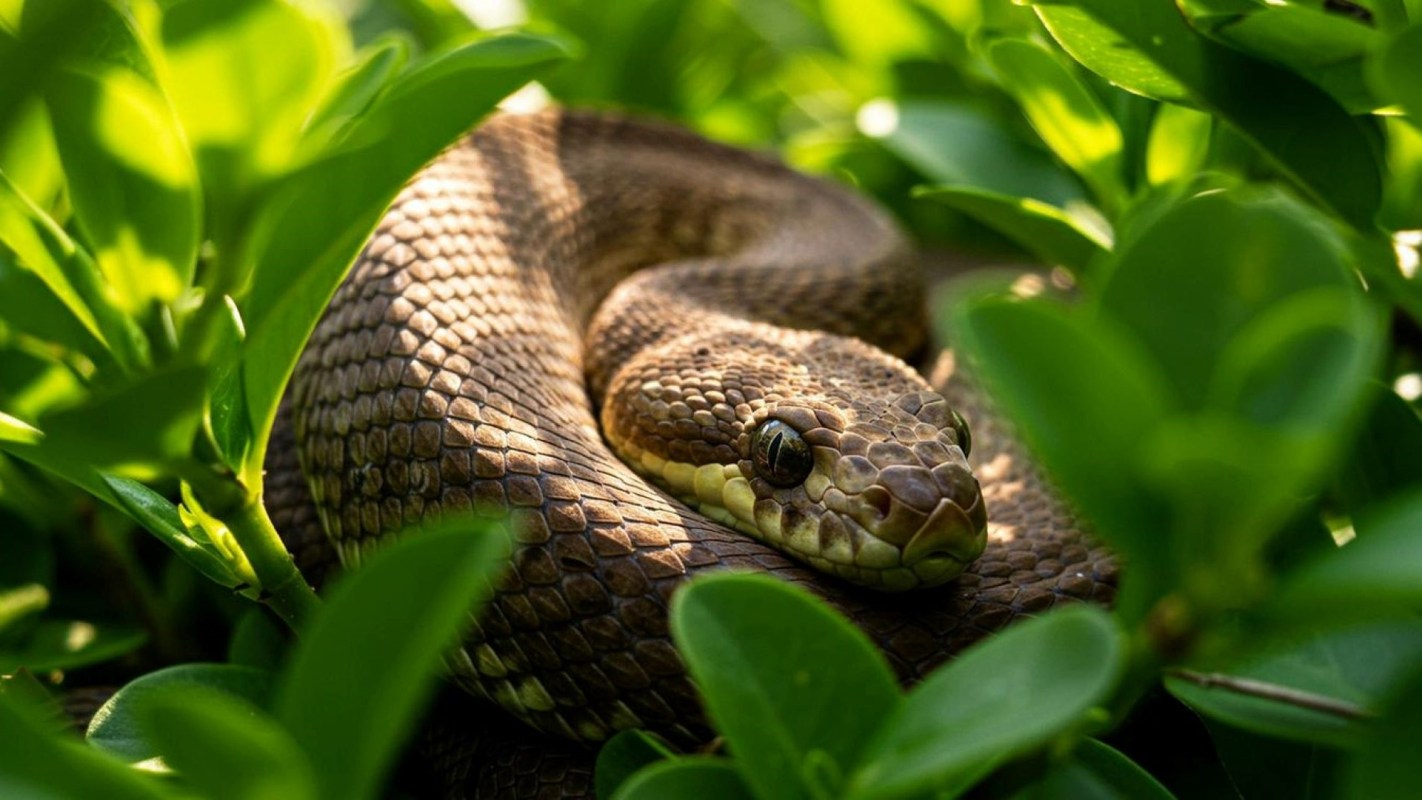
Which animal is most dangerous in the United States depends on the state, and the answer can be less obvious than many people assume.
What's happening?
World Population Review's 2026 report names the animal linked to the greatest fatal danger in every U.S. state, and snakes appear more often than any other group, according to KOTA Radio.
In all, snakes lead in 14 states, with multiple rattlesnake species showing up again and again across the West, South, and Midwest.
California lists the Southern Pacific rattlesnake, Arizona the western diamondback, Nevada the Mojave rattlesnake, North Dakota the prairie rattlesnake, and Michigan the eastern massasauga.
In other states, Georgia's top snake is the pygmy rattlesnake, Oklahoma's is the western pygmy rattlesnake, and both Connecticut and Kansas list the timber rattlesnake.
Some states point to other snake species instead, including Mississippi's cottonmouth, Indiana's eastern copperhead, South Carolina's southern copperhead, and Hawaii's yellow-bellied sea snake.
TCD Picks » Quince Spotlight
💡These best-sellers from Quince deliver affordable, sustainable luxury for all




Smaller creatures also top the rankings in some places, with Iowa listing wasps, Missouri ticks, New York mosquitoes, and Alabama and Nebraska black widow spiders.
Large animals are on the map, too. Moose rank first in Colorado, Maine, New Hampshire, and Vermont, while black bears, grizzlies, bison, mountain lions, coyotes, deer, alligators, dogs, sharks, and the Portuguese man o' war each lead at least one state.
In some states, the greatest risk comes from animals people may encounter while hiking, swimming, driving, or even spending time close to home.
Deer, for example, may not seem threatening in the same way as a bear or shark, but they can still be linked to deadly situations. Dogs also make the list in Alaska.
In most cases, the individual state will offer more detailed advice about each case. For example, state wildlife agencies, park departments, and local health departments often publish region-specific safety guidance on snakes, bears, sharks, ticks, mosquitoes, and alligators.

Get TCD's free newsletters for easy tips, smart advice, and a chance to earn $5,000 toward home upgrades. To see more stories like this one, change your Google preferences here.