


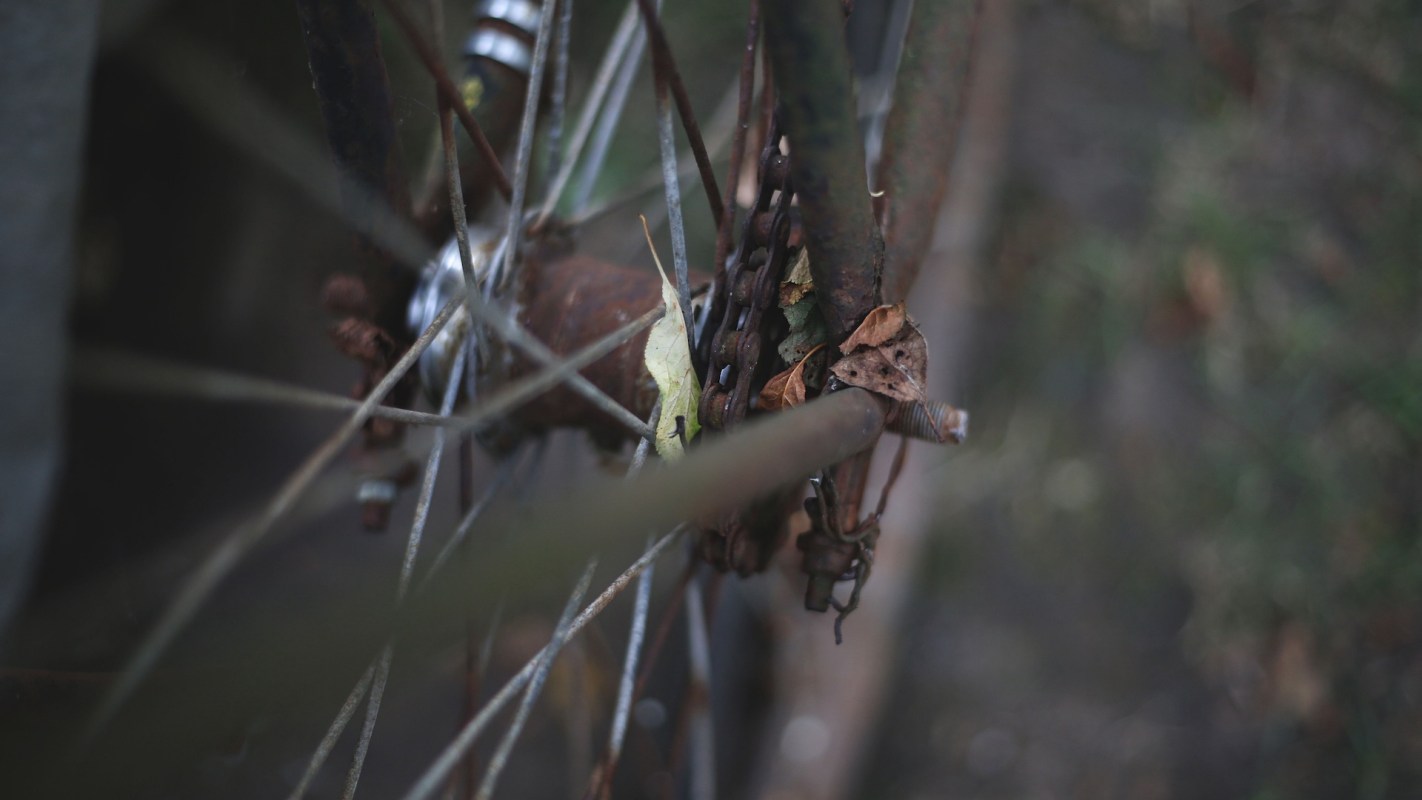
In regional Australia, a cyclist was bitten after she rode over a 6.6-foot (2-meter) eastern brown snake, and it became tangled in her bike chain.
The woman, who is in her 60s, is recovering, but the unusual incident highlights how quickly outdoor recreation and wildlife habitat can overlap.
What happened?
The incident happened around 1 p.m. Wednesday on the Northern Rivers Rail Trail near Burringbar, in northern New South Wales' Tweed Shire, according to The Guardian.
Once the snake was caught in the bicycle chain, it bit the woman on the thigh. Paramedics then took her to Tweed Valley Hospital in stable condition. The Northern NSW Local Health District said she was released Thursday morning.
Sarah Mailey, the snake catcher who responded to the incident, said the rescue was especially difficult because "Its head wasn't in the chain so it was free to be able to strike her leg."
Mailey said the cyclist suffered a "dry bite," meaning venom did not enter her bloodstream. Bystanders helped disentangle the chain while Mailey pinned the snake's head, and police were also called in to help protect nearby members of the public.
TCD Picks » Quince Spotlight
💡These best-sellers from Quince deliver affordable, sustainable luxury for all




Only a handful of snake species worldwide carry more potent venom than the eastern brown, and fatal bites remain rare in Australia overall, though brown snakes cause the most fatal bites of any species in the country. The snake was euthanized because of injuries it sustained during the ordeal.
Why does it matter?
Mailey said snakes are often drawn to the underside of the rail trail's concrete path because of the "little burrows and rodents that dig underneath it."
Human development along wildlife corridors like the rail trail can put cyclists and walkers into closer contact with snakes than they'd otherwise have. A BBC Future report noted that attacks can become more likely when humans and wild animals increasingly share altered landscapes.
Mailey added that another unusual factor may have contributed to the encounter: The eastern brown was blind in its left eye, and cooler weather likely slowed its reaction time.
"Given that he was probably just sitting there not moving, it wouldn't have been something that she [the bike rider] would have spotted," she said. She added that the mishap, while rare, wasn't unheard of: a friend who has worked as a snake catcher for 31 years told her he'd had the same thing happen to him before.
What can I do?
Mailey advised cyclists and walkers to slow down and give snakes space. Even highly venomous species often bite defensively, particularly when they are startled or trapped.
Mailey also warned that eastern brown snakes are frequently misidentified based on color alone. Harmless species can look similar, and eastern browns themselves can vary widely in appearance, from red to silver to black, making color an unreliable way to judge danger.
Similar identification mix-ups happen elsewhere, too. A family in Sippy Downs, Australia, once found a venomous red-bellied black snake tucked inside a leftover pizza box, a reminder that snakes can turn up in unexpected places as habitat loss and rising temperatures push them into closer contact with people.
"If you can see [a snake] from afar, stop and just wait for it to move off the path," Mailey said. "If it's not moving off the path because it's sunbaking and can't see you, pop off your bike and try to walk the furthest way around it you possibly can."

Get TCD's free newsletters for easy tips, smart advice, and a chance to earn $5,000 toward home upgrades. To see more stories like this one, change your Google preferences here.







