


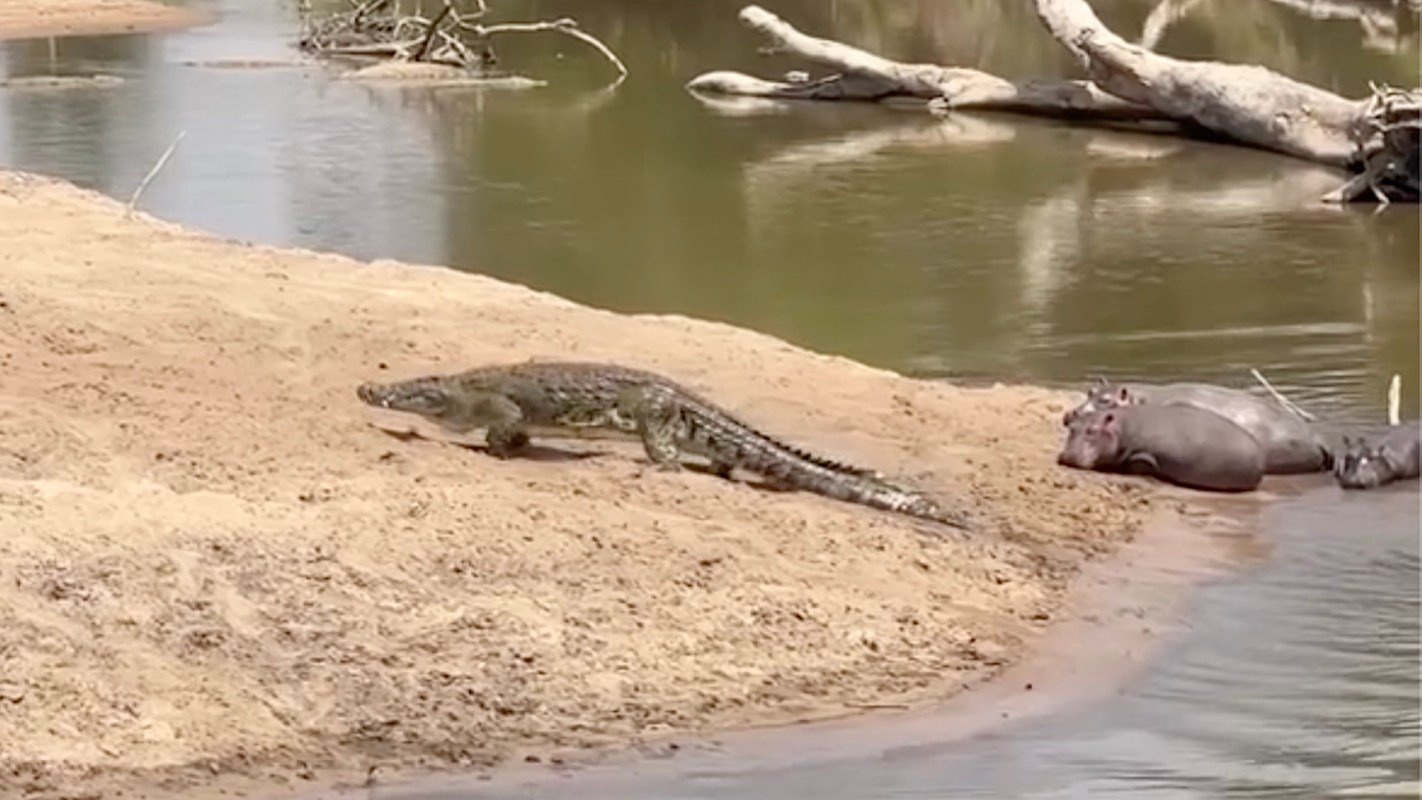
Crocodiles do not always lunge, snap, or fight when another animal gets too close. Sometimes, they warn first.
A recently shared wildlife video points to this lesser-known part of crocodile behavior. Adult crocodiles often use deep growls as a territorial signal to push rivals away, and those warnings carry more weight during breeding season.
What's happening?
On July 22, wildlife safari company Hodophile Adventures (@hodophile_adventures) explained alongside an Instagram video how adult crocodiles handle contested space, noting that growls are one way they communicate when territory is involved.
As the group stated in the video's caption, "These deep, rumbling growls warn other crocodiles to stay away from their territory… It's nature's way of reducing conflict, protecting nesting areas, and maintaining order in the wild."
Viewed that way, the vocalization serves to mark space before a physical clash begins. It gives crocodiles a way to reinforce boundaries without every encounter turning into a fight.
Why does it matter?
Behavior like this helps wild species reduce risk in their own environments. A territorial signal can help prevent unnecessary physical conflict, protecting adult animals from injury while also helping keep nesting areas secure.
TCD Picks » Quince Spotlight
💡These best-sellers from Quince deliver affordable, sustainable luxury for all




During breeding season, disturbances can have greater consequences. If crocodiles are guarding territory or protecting nests, even a small intrusion from another crocodile, or from a human, can create more tension than usual.
For people who live near crocodile habitat, travel through it, or spend time on the water, understanding these behaviors can also serve as a safety reminder. Wildlife often gives off signals before a dangerous encounter occurs, and territorial behavior is one of the clearest signs that it is time to keep a respectful distance.
Predators are not acting at random. Many are constantly assessing, signaling, and maintaining space in ways that help ecosystems function.
If you are in an area where crocodiles live, give them space. That means staying well back from shorelines, nesting areas, and any places where wildlife officials have posted warnings or seasonal closures.
It also means not feeding crocodiles or trying to get closer for photos or videos. Human interference can disrupt normal behavior, and animals that feel cornered or threatened are more likely to respond aggressively.
During breeding or nesting periods, extra caution is especially important. Keep pets away from the water's edge, supervise children closely, and avoid lingering in places where large reptiles may be defending territory.

Get TCD's free newsletters for easy tips, smart advice, and a chance to earn $5,000 toward home upgrades. To see more stories like this one, change your Google preferences here.







