


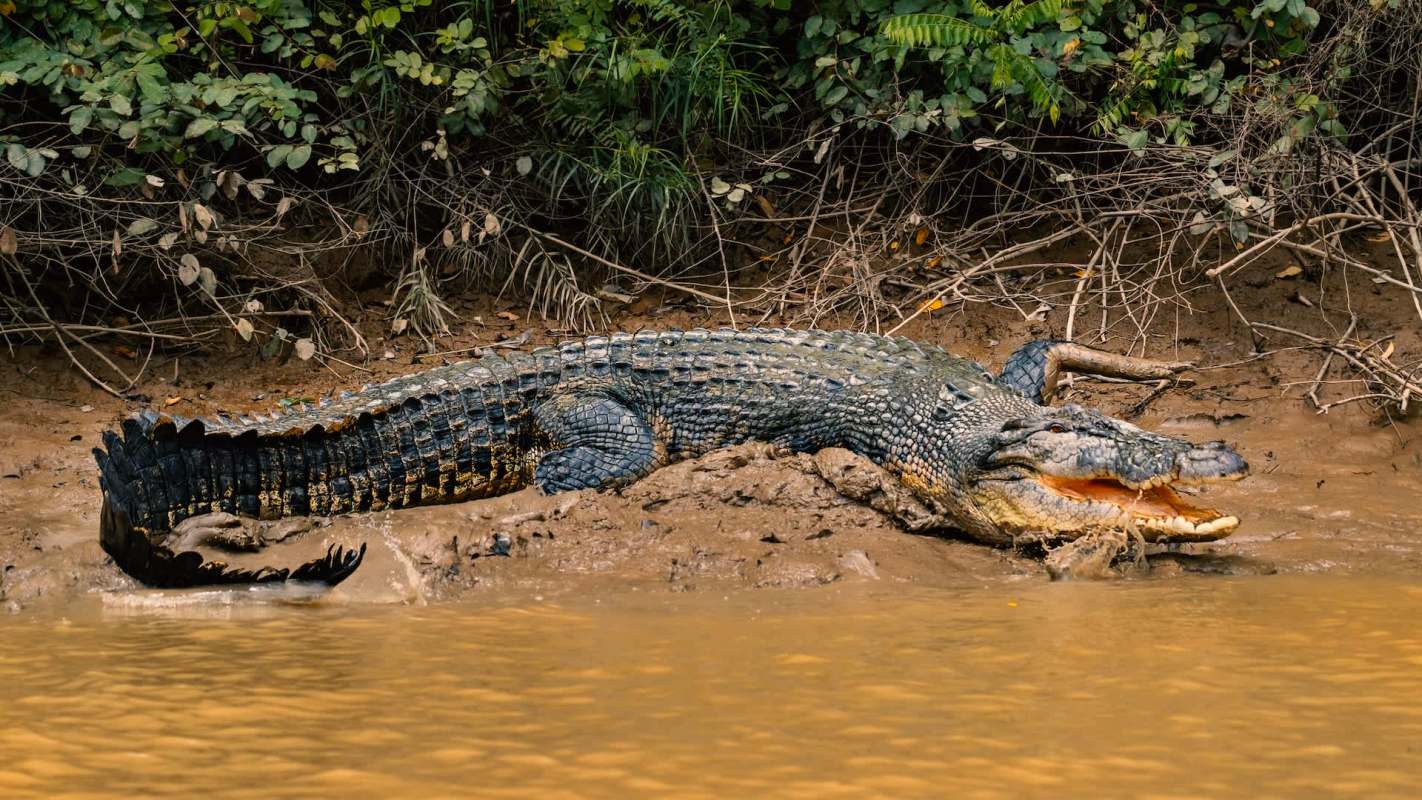
An Indigenous method of coexisting with crocodiles is under strain in Sarawak, Malaysia, after a community headman's child was killed in an attack.
Residents have long followed an informal rule that people are safest when the reptiles are left undisturbed. But that belief has started to weaken after an attack killed the son of Daniel Muking in 2024.
What happened?
The May 2024 crocodile attack jolted the village and may have reshaped how some residents think about the animals in nearby rivers. Villagers later identified a crocodile they believed was responsible, and it was eventually hunted down, according to Malaysia-China Insight.
According to MCI, an increase in violent encounters has come alongside a major rebound in Sarawak's crocodile numbers. After overexploitation in the 1980s nearly wiped them out, the population has climbed back to more than 25,000 crocs.
But unfortunately, authorities recorded 22 deaths from crocodile attacks between 2023 and 2025. In 2026, there have already been five more fatalities, per MCI.
Meanwhile, the Sarawak Forestry Corporation has said attacks have actually declined from the early 2000s, even as sightings and close encounters have become more common.
TCD Picks » Quince Spotlight
💡These best-sellers from Quince deliver affordable, sustainable luxury for all




Rivers are central to daily life in Sarawak, for travel, work, fishing, and household tasks, so more crocodile encounters can affect routine activities.
Sarawak Forestry Corporation general manager Abang Arabi Abang Aimran told the outlet that "crocodiles may be appearing more frequently near settlements because they can find food more easily there." That aligns with a broader pattern reported by BBC Future.
When conservation efforts succeed without enough planning for coexistence, nearby communities can end up bearing the consequences. For Indigenous and rural residents in Sarawak, these consequences include lives lost and traditions strained by trauma.
What's being done?
Sarawak officials say they are trying to balance public safety with wildlife protection. Sarawak Deputy Natural Resources Minister Len Talif Salleh has said authorities must manage both concerns at the same time, a challenge that has become more urgent as encounters increase.
To reduce danger near settlements, authorities have worked with licensed hunters and nearby communities to relocate crocodiles from rivers close to where people live.
The state government has also introduced a mobile phone app for reporting sightings and begun issuing hunting licenses, according to MCI.

Get TCD's free newsletters for easy tips, smart advice, and a chance to earn $5,000 toward home upgrades. To see more stories like this one, change your Google preferences here.







