


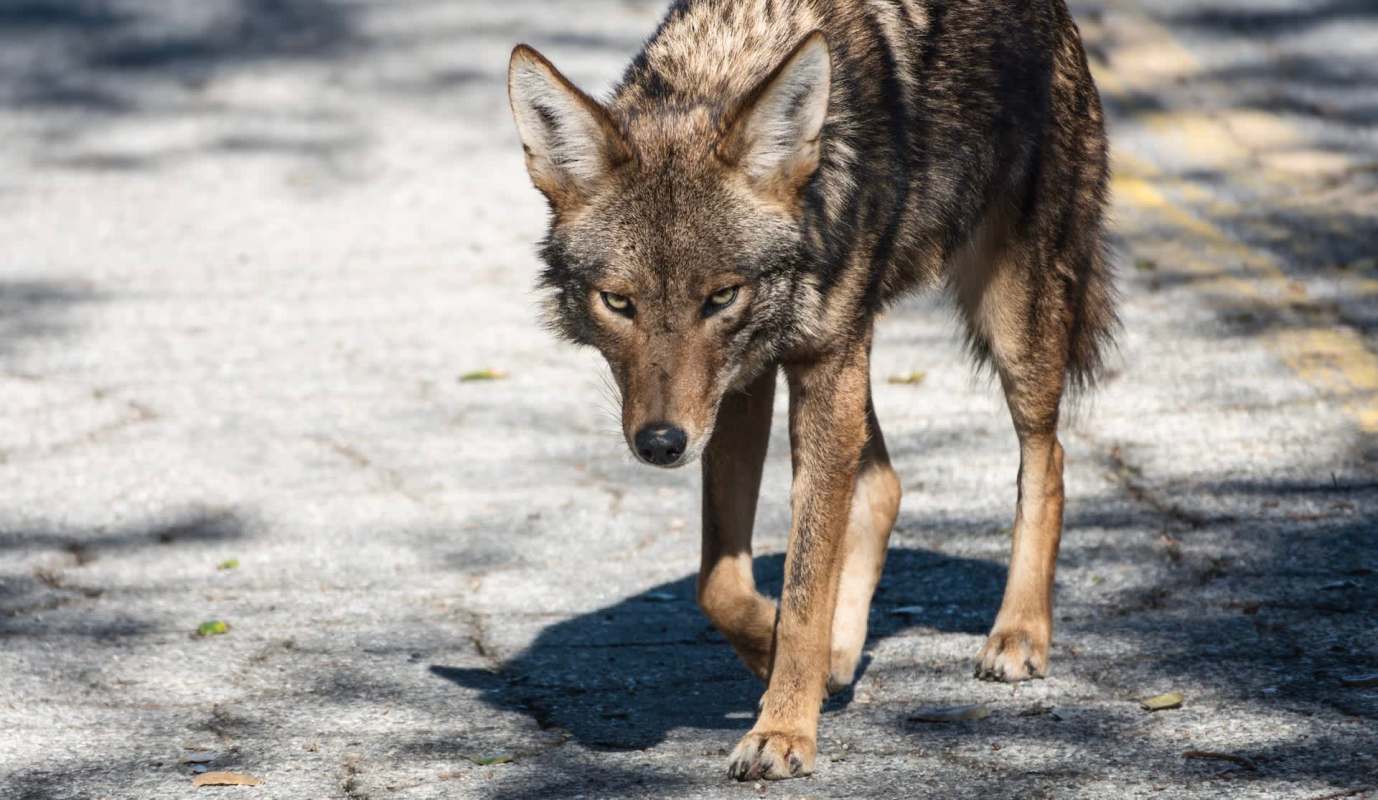
In Los Angeles' Atwater Village, a coyote attack that injured a 16-month-old child has prompted residents to revisit earlier warnings that someone in the neighborhood was feeding a coyote.
Here's what to know
After the encounter, the child was taken to a local hospital and later released. The California Department of Fish and Wildlife then captured and euthanized the coyote, ABC7 reported.
Some residents told ABC7 that neighbors alerted wildlife officials to a person feeding a coyote the community called "Wylie."
Rebecca Dmytryk of Humane Wildlife Control Inc. said those complaints called for earlier action, including looking into what residents reported and enforcing rules against feeding wildlife.
"This tragedy of a child being injured and a coyote being killed was 100% preventable," Dmytryk said.
More background
Over several months, residents said the coyote had become a recurring presence in the community. Jason Rosen, who lives nearby, told ABC7 that he had seen coyotes in the area before and felt sympathy for them because "they have nowhere to go."
TCD Picks » Quince Spotlight
💡These best-sellers from Quince deliver affordable, sustainable luxury for all




"Our neighborhood is their neighborhood too," he added.
Neighbors' comments pointed to both shrinking habitat and human behavior. Neighbor Tori Samuel said what had seemed like one approachable animal had become more concerning.
"Before it was just Wylie and one coyote who seemed kind of friendly. Now it's sometimes even packs walking around, which is pretty scary," Samuel said.
It has not been confirmed whether the euthanized coyote was the same animal residents had been seeing and calling Wylie. That means it is still unclear whether the concern went beyond a single sighting or isolated complaint.
Residents in Atwater Village believe feeding may have been a factor.
What's being done?
Residents still question whether earlier intervention could have prevented the attack and subsequent euthanasia of the animal.
Residents are also planning a community meeting to discuss what happened and what they believe needs to change.
Experts advise people to keep their distance, make themselves look bigger, and use loud noises until the animal leaves. The goal is to discourage the animal from approaching, not to make it more comfortable around people.
Residents said those steps also need to be paired with avoiding feeding wildlife.

Get TCD's free newsletters for easy tips, smart advice, and a chance to earn $5,000 toward home upgrades. To see more stories like this one, change your Google preferences here.







