


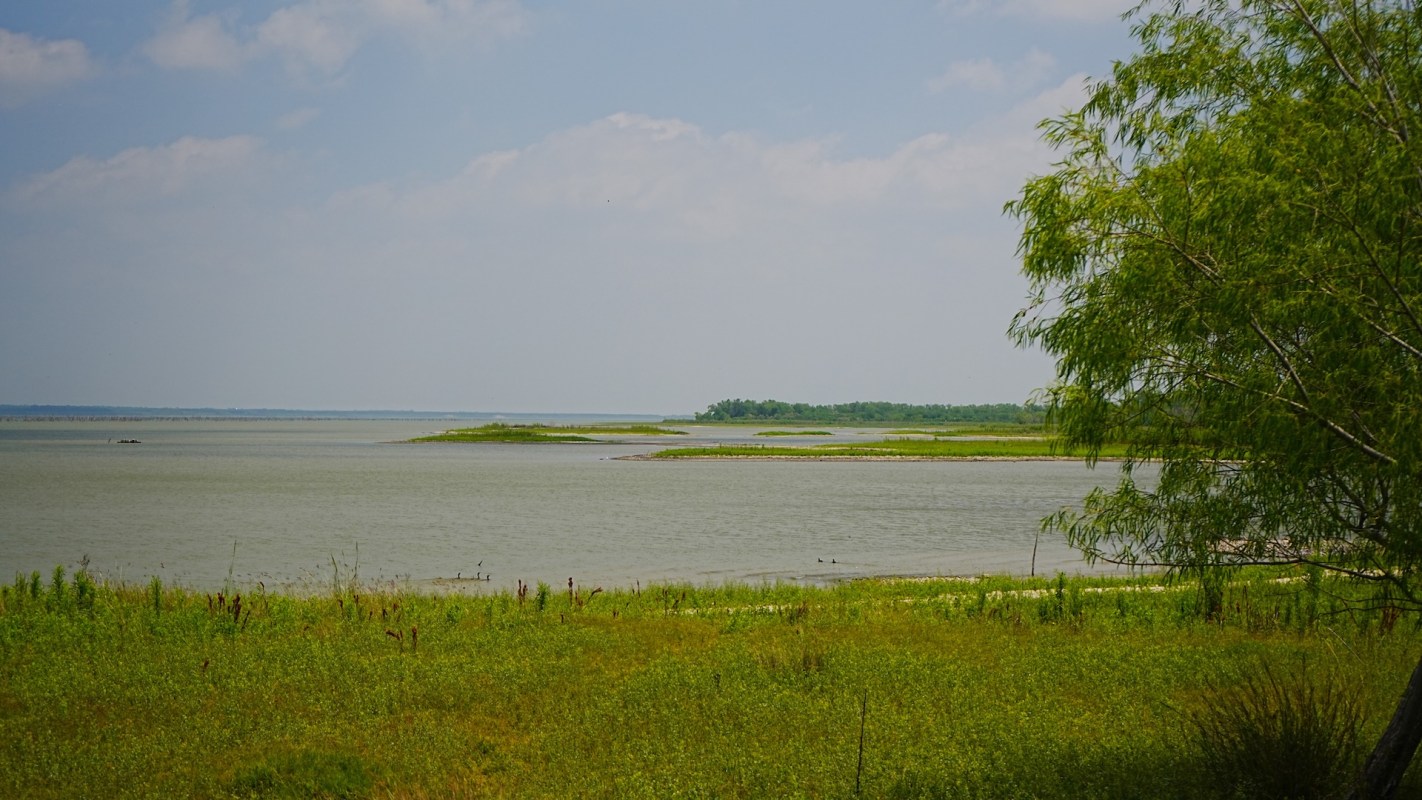
The two main water-supply reservoirs of a major Texas city were sitting at a combined 37.3% full despite several days of precipitation that pushed November rainfall above normal across the state's Coastal Bend.
Here's what to know
Corpus Christi depends on Choke Canyon Reservoir and Lake Corpus Christi for its water supply. But as of Nov. 9, Choke Canyon was just 21% full, while Lake Corpus Christi was at 79.3% capacity.
Local news outlet KRIS 6 reported that both reservoirs have benefited from recent rain. But meteorologist Steven Jones cautioned that heavy rains were only one part of the puzzle.
"One thing that I don't think a lot of people understand is it's very important where that rain falls," he noted.
The local outlet added that the best areas for the rain were in the Nueces River watershed. The rainfall has helped address some of the area's troubling trajectory.
"For the past few weeks, I have just been seeing it go down week after week after week," Jones said.
TCD Picks » Quince Spotlight
💡These best-sellers from Quince deliver affordable, sustainable luxury for all




"Luckily, this week with the rains that we've seen, we actually saw Lake Corpus Christi rise a little bit," he continued. "It wasn't a substantial rise as of yet, but we are still getting some of that rain."
More background
Corpus Christi remained under Stage 1 water restrictions as of early this week, and residents were asked to continue conserving water.
The city's supply challenges stem from years of drought, and additional rainfall might not be enough to make up the deficit.
Winter is normally the Coastal Bend's driest season, though the El Niño weather pattern could bring more rain than average.
"Typically, the winter months — December, January, February — are our lowest normal rainfall events of the year," Nick Winkelmann, Corpus Christi Water's chief operating officer, told KRIS 6. "So even if you see twice as much rainfall those months, it's still not a lot of rain."
What's being done?
Corpus Christi Water is working to rely less on drought-affected reservoirs and other surface water by expanding its use of groundwater and recycled wastewater, according to the news station.
Winkelmann also said that reservoir levels were soon expected to rise.
"Over the next week or so we will likely see an increase in reservoir percentages," he told KRIS 6.
As of Friday, Choke Canyon storage levels still hovered around 21%, while Lake Corpus Christi was at 80.8%, according to the city. Stage 1 drought restrictions remain in effect.
Where can I learn more?
Corpus Christi's water challenges extend beyond its reservoirs. Other coverage highlights pipeline disruptions, desalination disputes, waterfront sales, and calls for water funding:
• Corpus Christi turned to wells and dam releases after a leak sidelined the Mary Rhodes Pipeline.
• Corpus Christi's bet on desalination left residents facing water bans, debt, and a $1.2 billion mess.
• Lake Corpus Christi's recovery has waterfront home sellers betting buyers will pay for water views.
• A Texas congressman urged Trump to fulfill his water promise to Corpus Christi.

Get TCD's free newsletters for easy tips, smart advice, and a chance to earn $5,000 toward home upgrades. To see more stories like this one, change your Google preferences here.
Cool Picks







