


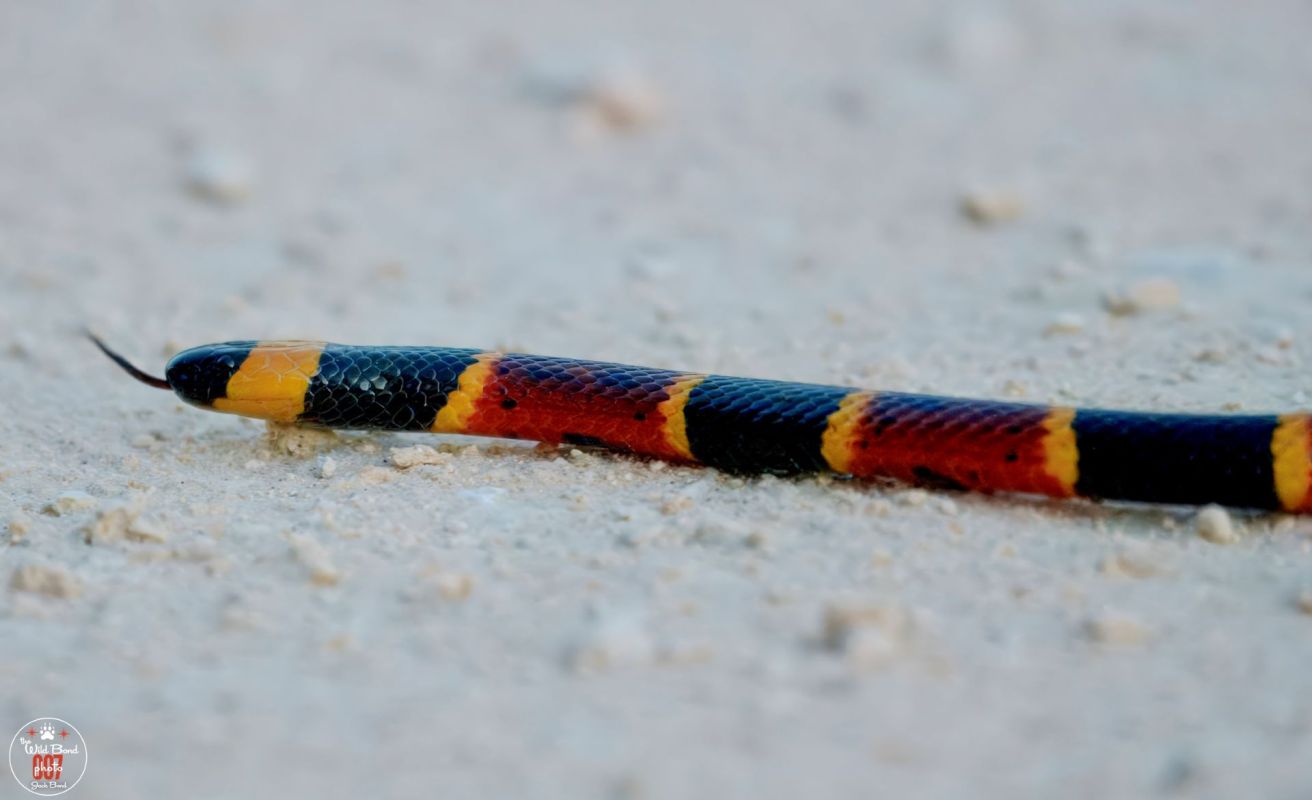
A woman's discovery of a venomous coral snake in her laundry room is the kind of wildlife encounter that can alarm any resident — and experts say it reflects a growing pattern playing out in many communities.
As development pushes deeper into natural habitats and shifting weather conditions affect where animals hunt and shelter, more wildlife is turning up in garages, yards, and even inside homes.
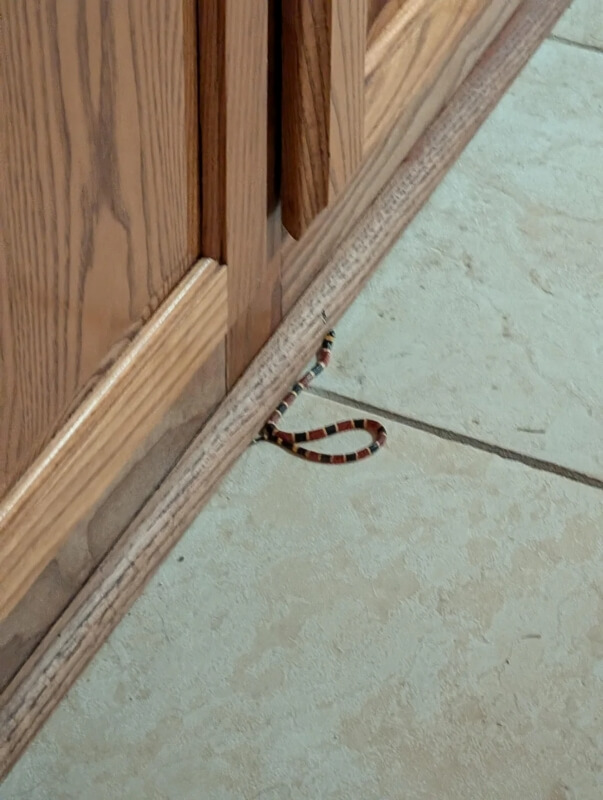
In a Reddit post, a user wrote, "My wife found this small coral snake in our laundry room when she was getting ready to feed our dogs. There is a door to the backyard in this room. I also just saw another one that was slithering across our living room floor, approximately 4 hours after we saw this one."
A photo shared with the post showed a small, brightly banded snake curled on the floor.
That sight quickly alarmed commenters — and with good reason. Coral snakes are venomous and should never be handled by anyone who is not properly trained.
While they are generally shy animals and are not known to aggressively chase people, an unexpected encounter inside a home can quickly become dangerous for adults, children, and pets.
TCD Picks » Quince Spotlight
💡These best-sellers from Quince deliver affordable, sustainable luxury for all




The immediate concern is safety. Dogs are especially vulnerable if they investigate or try to attack a snake, and a bite from a venomous species can become a medical emergency within minutes.
But incidents like this can also point to a broader environmental issue.
Wildlife experts have warned that animals are increasingly ending up in human spaces as building developments fragment habitats and environmental pressures alter where species can safely live and find food.
Extreme heat, drought, storms, and changing rainfall patterns can all disrupt natural shelter and prey availability, pushing wildlife into closer contact with people.
In other words, as humans reshape the landscape and environmental stress continues, the boundary between neighborhoods and wildlife habitat becomes harder to maintain.
There are several reasons snakes may move closer to homes. Yards can attract rodents and insects, which serve as prey. Laundry rooms, garages, and storage spaces can provide cool, sheltered hiding places. Wet weather and flooding may force snakes out of underground areas and into buildings.
Coral snakes still play an important role in local ecosystems by helping regulate prey populations, so encounters like this are not necessarily signs that wildlife is disappearing. In many cases, wildlife is simply being forced into closer proximity with humans.
That creates risks on both sides. Residents worry about children and pets, while snakes that would normally avoid people often end up injured or killed after entering homes.
If you encounter a snake indoors or around your property, experts recommend keeping a safe distance and never attempting to pick it up or kill it yourself. Bring children and pets inside, block access to the area if it can be done safely, and contact animal control or a licensed wildlife removal professional.
People can also reduce the chances of future encounters by sealing gaps under doors, checking for openings around pipes and vents, removing yard debris near entry points, and controlling rodents that may attract snakes.
In areas where venomous snakes are common, experts also recommend knowing in advance which local wildlife agencies or relocation professionals to call in an emergency.

Get TCD's free newsletters for easy tips, smart advice, and a chance to earn $5,000 toward home upgrades. To see more stories like this one, change your Google preferences here.







