


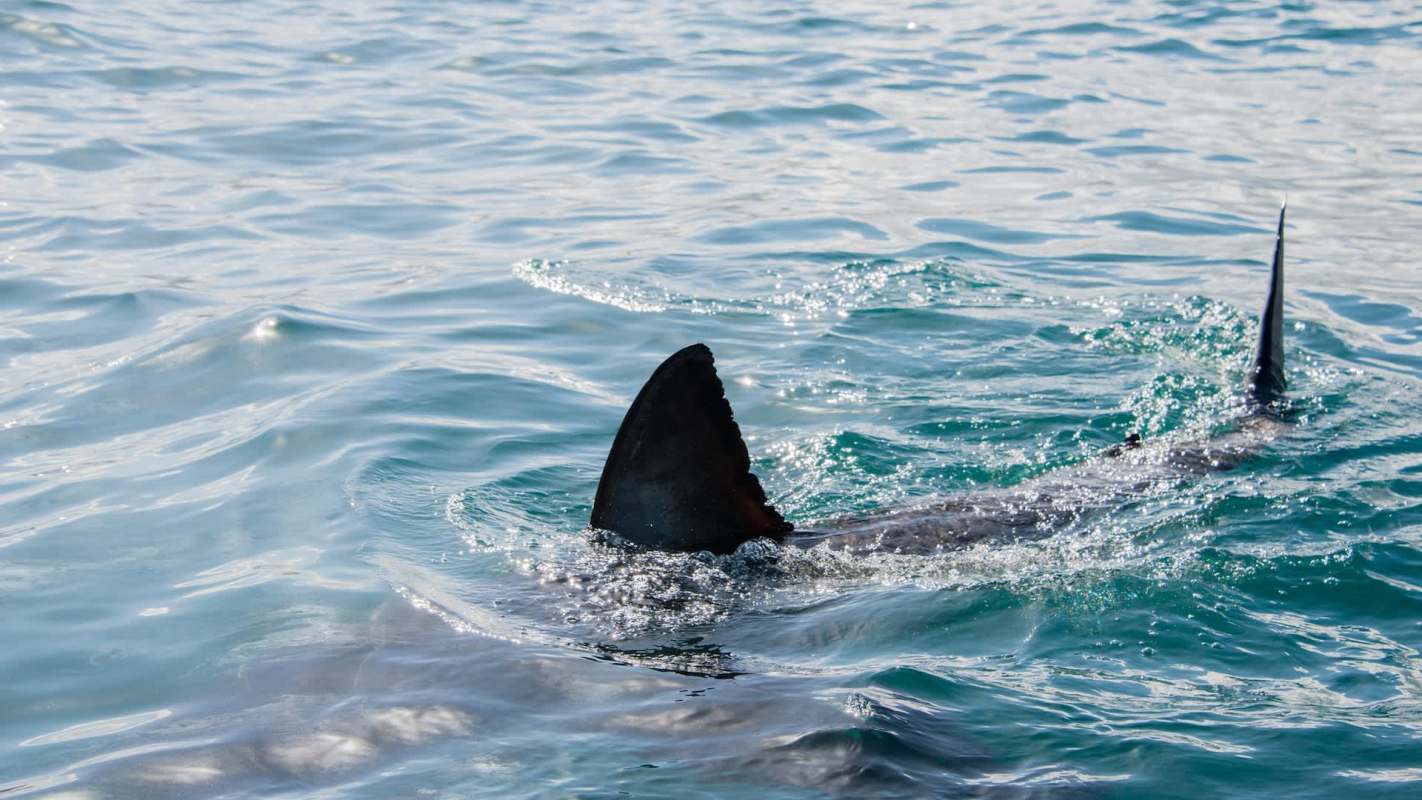
A rare shark attack near Bimini injured a Connecticut man during a guided snorkeling excursion in the Bahamas, turning a family anniversary trip into a painful ordeal.
What happened?
John Schweizer was in the Bahamas with family for his 40th wedding anniversary when he took part in a guided snorkeling experience involving Caribbean reef sharks, Local 12 reported.
Tour guides said the sharks usually swam away after people entered the water. Instead, Schweizer said, one of the animals hit him.
"I got hit pretty hard," Schweizer said. "I knew it was a shark."
Schweizer estimated the shark was about 5 to 7 feet long. He was then returned to his cruise ship, where an emergency room physician spent three hours treating and stitching his injuries before he was transferred to a hospital in Miami.
His injuries required 26 stitches in his leg and four more in one hand.
TCD Picks » Quince Spotlight
💡These best-sellers from Quince deliver affordable, sustainable luxury for all




Only four unprovoked attacks involving Caribbean reef sharks are listed in the Florida Museum of Natural History's International Shark Attack File.
Why does it matter?
This was not a random shoreline encounter, but a paid excursion meant to bring people into proximity with marine predators.
Human activity can play a major role in dangerous wildlife encounters, as BBC Future has explored. As humans encroach on animals' habitats more, they come into contact more frequently.
Sharks are essential marine animals, but they are still unpredictable wildlife, even in organized experiences.
What can I do?
Shark encounters are closely tracked. Databases such as the International Shark Attack File help researchers identify which species are involved, where attacks happen, and what conditions may raise the risk.
Questions before booking can include whether operators use bait or chum, how many people enter the water at one time, what emergency plans are in place, and whether trained medical help is readily available.
It may also be worth choosing experiences that create more distance between people and animals. Viewing sharks from a boat or another controlled setting may still support local tourism while reducing the risk of a dangerous close encounter.
Most of all, "swim with" attractions should be treated as real risk decisions rather than simple bucket-list experiences. When humans enter an animal's habitat for entertainment, caution should be part of the plan.
After living through one of the rare documented unprovoked encounters involving a Caribbean reef shark, Schweizer said: "I'm not going to swim with sharks anymore."

Get TCD's free newsletters for easy tips, smart advice, and a chance to earn $5,000 toward home upgrades. To see more stories like this one, change your Google preferences here.







