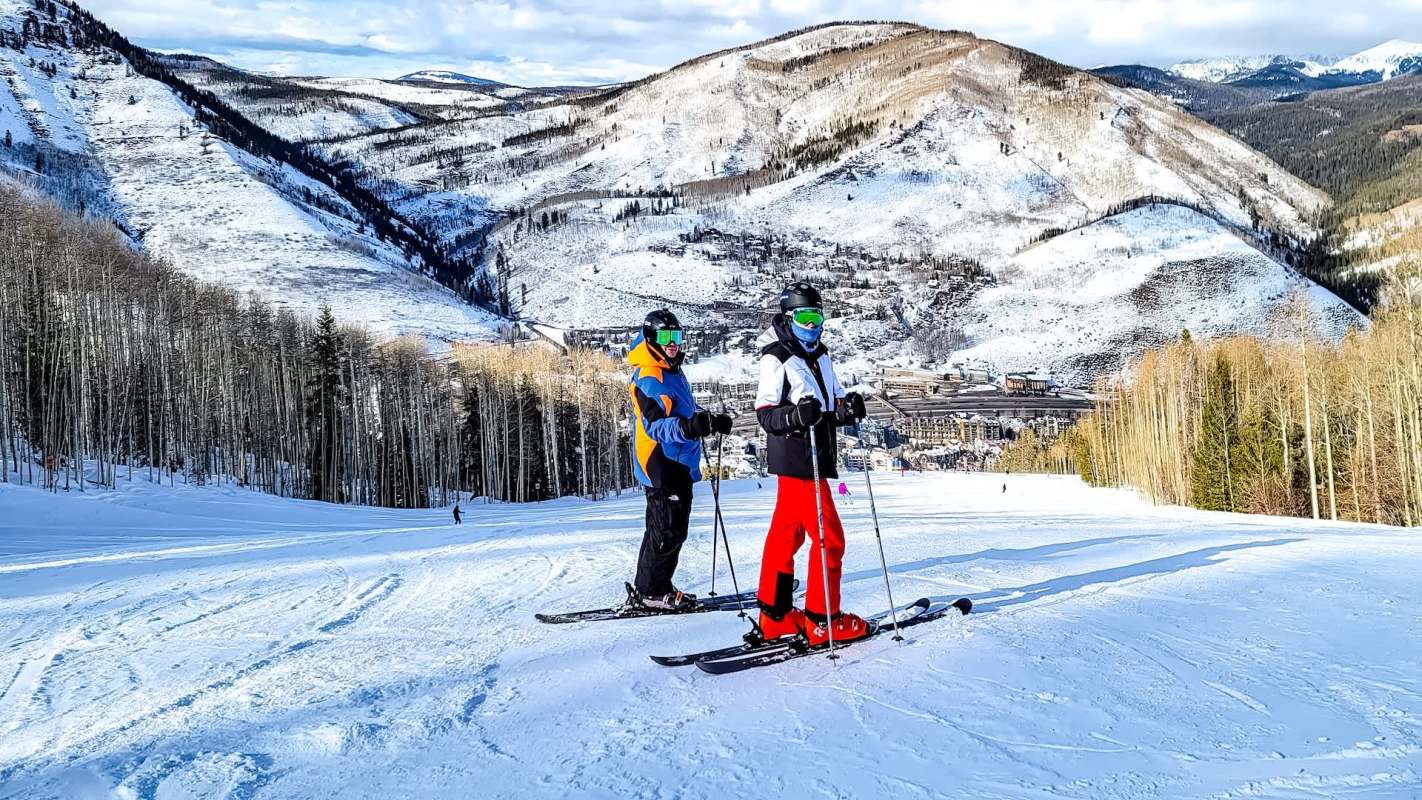
Skiers headed to Colorado this winter may need to postpone their trips as meteorologists predict less-than-ideal skiing conditions.
What's happening?
According to The Aspen Times, meteorologists said warming temperatures in the Pacific are influencing climate patterns, which are moving toward a "weak La Niña phase." That means it might take some time for the snow to arrive.
The National Oceanic and Atmospheric Administration predicted a 71% chance of La Niña in the final months of the year. La Niña typically leads to warmer and drier conditions in the South while the North deals with cooler and wetter conditions, per NOAA.
"Those warmer temperatures are going to favor a delayed onset to the season," Kyle Heyblom, an Earth system scientist, told The Aspen Times. "It is quite possible that the ski season is going to have to push a little further into the year just because we may not see cold enough temperatures to make snow."
Scientists don't expect much precipitation at the start of ski season in November. Heyblom suggested that Colorado skiers consider waiting until December or January to head up to the mountains.
Why is delayed snowfall important?
Scientists found that human activities, such as burning dirty energy, lead to more intense and more frequent extreme weather events. According to the U.S. Environmental Protection Agency, the heat-trapping pollution causes temperatures to rise and water to evaporate, which leads to more precipitation.
TCD Picks » Quince Spotlight
💡These best-sellers from Quince deliver affordable, sustainable luxury for all




However, a warmer climate means more rain than snow. Snowmelt provides three-quarters of the water supply in the western United States, per the EPA. That snowmelt is also vital for the survival of many plants and animals.
In addition to delayed snowfall, warmer temperatures contribute to sea-level rise due to ice melt and thermal expansion, per NOAA. The global average sea level in 2023 was nearly four inches higher than in 1993 — a new record high. Higher sea levels put coastal communities at risk of floods.
What's being done about protecting the warming planet?
As the planet approaches dangerous temperatures, scientists have made technological advancements with the goal of protecting communities from human-induced global warming. However, the most impactful way to mitigate the warming of the planet is to make adjustments at home.
Humans can learn about critical climate issues and ways to reduce their carbon footprint. Making moves like upgrading to an electric vehicle or taking public transit can significantly lower the amount of planet-overheating pollution that enters the atmosphere.
|
Do you think fracking should be illegal in America? Click your choice to see results and speak your mind. |
 Yes — everywhere 👏
Join our free newsletter for good news and useful tips, and don't miss this cool list of easy ways to help yourself while helping the planet.