


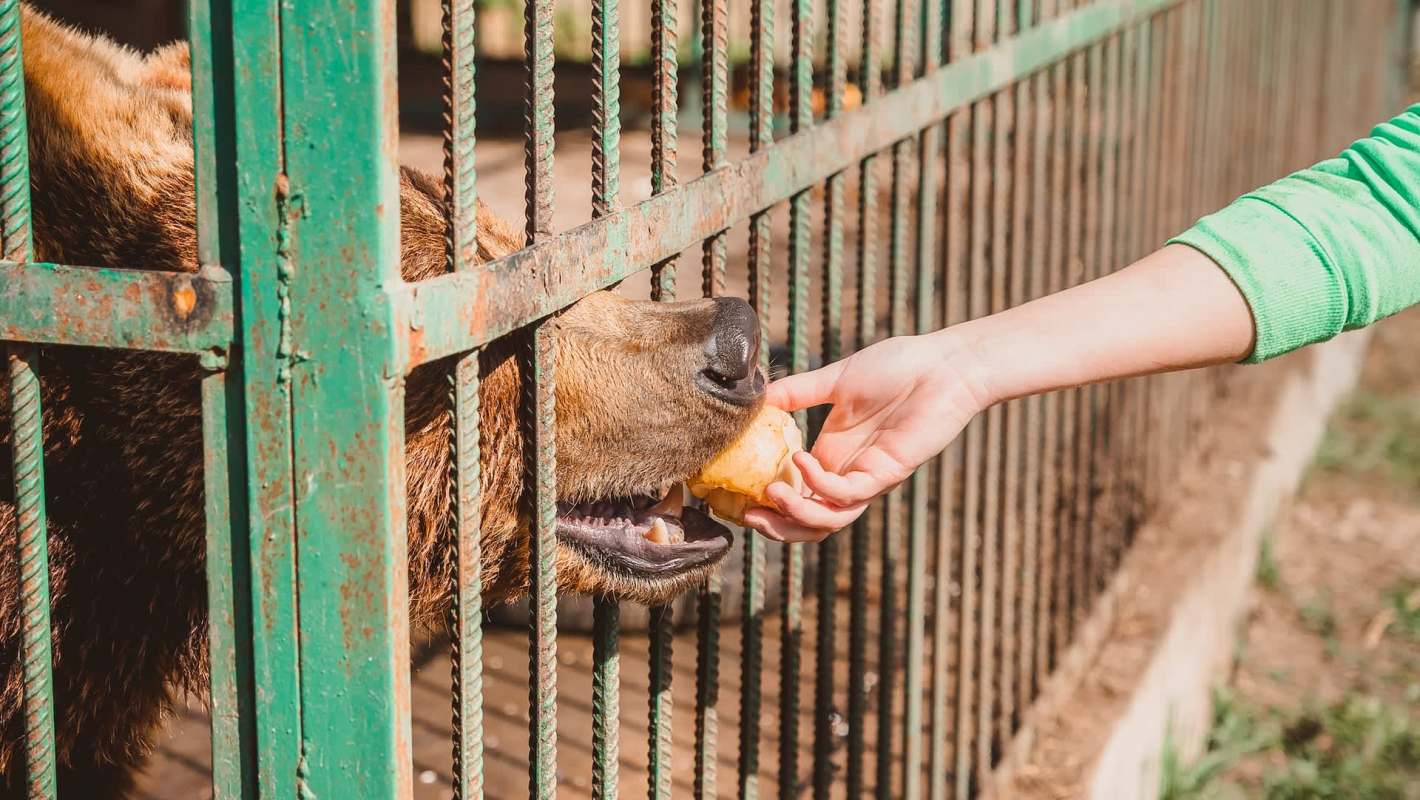
A wildlife rehabilitation center in Silt is facing growing demand to care for motherless black bear cubs as Colorado's drought limits access to food and water.
The organization has rarely been busier, founder and executive director Nanci Limbach said of the influx of orphaned animals.
Here's what to know
The Pauline S. Schneegas Wildlife Foundation is caring for more than 30 black bear cubs that have lost their mothers, according to KUNC.
Bears must search elsewhere for food and water because of two shortages, Limbach explained: Drought has reduced available water, while dry weather and an early freeze have wiped out food sources such as berries and acorns.
Foxes, deer, and raptors are among the other Colorado wildlife the foundation team cares for.
More background
The Colorado River and nearby communities have become destinations for more bears during the drought, Limbach said; the foundation itself is near the river.
TCD Picks » Quince Spotlight
💡These best-sellers from Quince deliver affordable, sustainable luxury for all




"So the bears just came down to along the river corridor, where obviously with more water, there's more vegetation and things like that that will grow," Limbach said, according to KUNC.
Colorado Parks and Wildlife reported a significant increase in human-bear conflicts, including a dozen bear attacks, attributing the rise in part to drought-driven searches for food. The BBC's examination of why wild animals attack humans provides additional context on human-wildlife conflict.
Human activity has also directly contributed to some cubs losing their mothers.
"For a couple (of bears), their mothers were legally shot and killed, so we got those cubs. We've had several whose mothers have been hit by cars," said Limbach, per KUNC. "And then some, the mothers are just leaving alone, and it's survival of the fittest for the mother."
What's being done?
The foundation is providing food and care for the orphaned cubs, aiming to return them to the wild rather than keep them permanently.
Remote woodland will be the bears' destination after the foundation's team and Colorado Parks and Wildlife rouse them around early February, Limbach said. Before then, many are being moved to a separate hibernation site, according to KUNC.
"The bears are going through currently about 2,000 pounds of fruit every week, and about 1,000 pounds of high-quality dog food," Limbach said.
Where can I learn more?
Rescuers in other states are also helping orphaned and injured bear cubs return to the wild.
• At New Mexico's lone bear rehabilitation center, orphaned cubs learn to forage without their mothers.
• In Virginia, black bear research shows cold alone doesn't cue hibernation.
• A California cub recovered after veterinarians removed a beanbag round and plastic cap.

Get TCD's free newsletters for easy tips, smart advice, and a chance to earn $5,000 toward home upgrades. To see more stories like this one, change your Google preferences here.







