


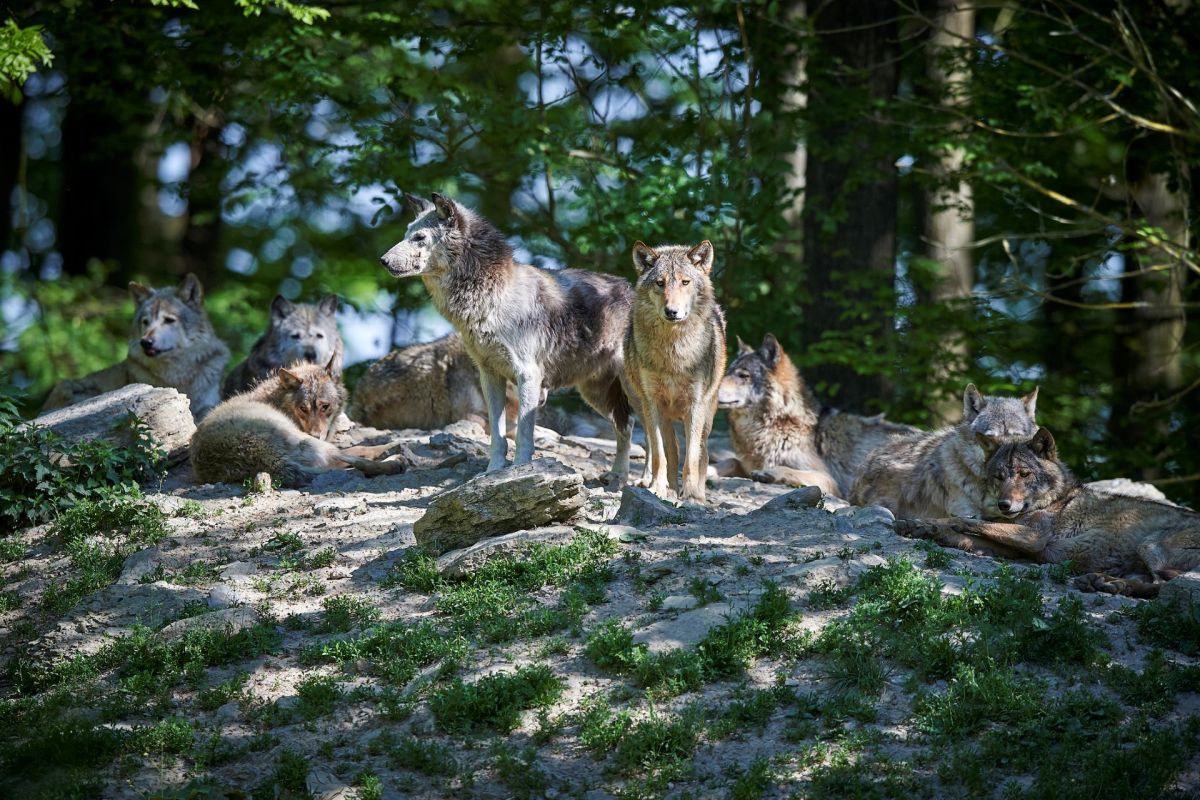
Colorado's gray wolf reintroduction effort has entered a new phase: state officials say there are now five confirmed packs in the state, and four of them have produced pups this year.
For people backing wolf recovery, that is a major sign the population is taking hold. Ranching communities, however, are watching the same development with concern about what a growing number of wolves could mean for their livestock.
What's happening?
In comments to Axios, Colorado Parks and Wildlife said Wednesday that recognition of the Piney Ridge Pack in Eagle County pushed the statewide total to five packs.
The voter-approved program began in December 2023, and it has now progressed from initial reintroduction to wolves forming packs and reproducing — the point wildlife officials had been aiming for as the population became established.
The full number of wolves on the ground remains uncertain, but Colorado Parks and Wildlife counted 32 collared wolves in March, telling Axios that one later died, leaving 31.
Brenna Cassidy, Colorado Parks and Wildlife's wolf monitoring and data coordinator, called the new pack "a moment of great success" as pack wolves typically survive longer and behave more predictably.
TCD Picks » Quince Spotlight
💡These best-sellers from Quince deliver affordable, sustainable luxury for all




However, the opposition fears this change could quickly get out of hand as litters typically average four to six pups.
Why does it matter?
Reproducing packs suggest the reintroduction program is starting to sustain itself rather than rely only on transplanted wolves. Wildlife officials also say stable pack territories can help them direct prevention efforts to the places that need them most.
Ranchers see the same milestone as a warning sign. As pups grow and adult wolves need more food, many in those communities believe the odds of attacks on cattle and sheep could rise.
Jackson County rancher Don Gittleson, whose operation was tied to Colorado's first confirmed wolf depredation case, told Axios that conditions changed sharply after a lone female found a mate. "As soon as you start having a pack — big problem," Gittleson told Axios. "They had pups, then we had problems."
What's being done?
Colorado Parks and Wildlife says better-defined pack territories could make its conflict-prevention work more precise. The agency uses tools such as range riders, fladry fencing and scare devices meant to keep wolves away from livestock.
Ranchers maintain the state still needs to be more transparent. Harold Unwin, who leads the Colorado Independent CattleGrowers Association, told Axios that the agency has not been specific enough about where wolves are being released and where they are roaming. "They're not really telling where they're releasing. They say, 'Oh, it's in Eagle County.' But is it really true?"
The state may also add more wolves later on. Agency spokesperson Luke Perkins told Axios that officials are "exploring" additional gray wolf releases into Colorado after reintroduction efforts were halted last year. Colorado Parks and Wildlife expects to release an updated statewide wolf count next spring.

Get TCD's free newsletters for easy tips, smart advice, and a chance to earn $5,000 toward home upgrades. To see more stories like this one, change your Google preferences here.







