


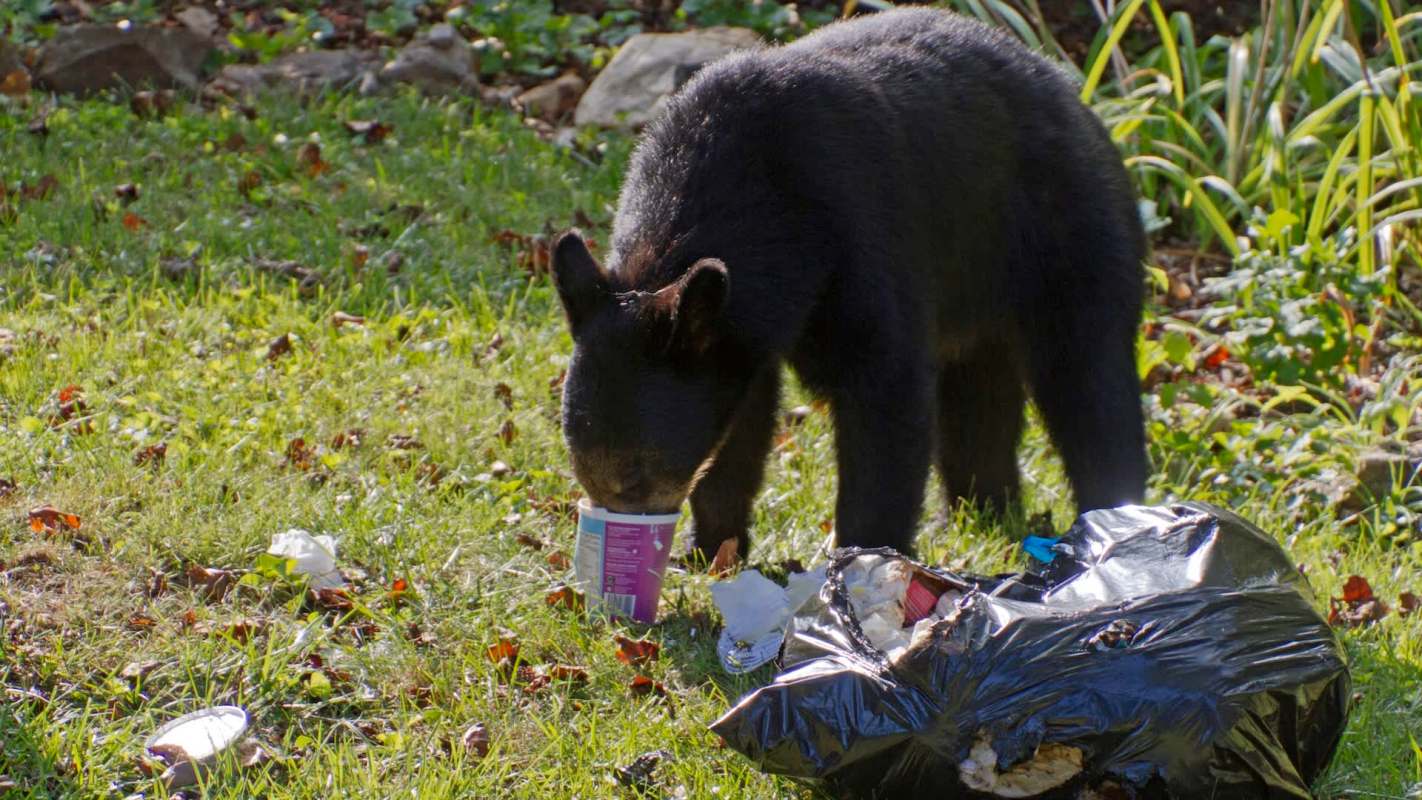
Colorado's 2026 drought is reshaping wildlife behavior as well as the landscape while also worsening wildfire conditions.
As natural food becomes harder to find and human food remains easy to access, The Rocky Mountain Collegian reported that more hungry bears are ending up in neighborhoods, raising the chances of dangerous encounters.
Here's what to know
Reports of bears inside city limits have climbed across Colorado in 2026.
"We are seeing an increased number in these reports and [bear] activity in general this year, which we are mainly attributing to drought," Colorado Parks and Wildlife public information officer Kara Van Hoose told the Collegian.
Colorado State University's Warner College of Natural Resources explained the connection in a piece of its own, saying reduced numbers of berries and acorns as well as wildfires are a key impetus for bears venturing into new places.
More bears in neighborhoods can mean more close calls around homes, streets, trash bins, and backyards, especially in communities where people may not be used to seeing large wildlife so close to home.
TCD Picks » Quince Spotlight
💡These best-sellers from Quince deliver affordable, sustainable luxury for all




More background
Researchers say the sightings themselves are only part of the concern that repeated exposure to neighborhoods could change how bears behave.
"The main concern is habituation," Cassandre Venumière-Lefebvre, a postdoctoral researcher at Colorado State, told the Collegian. "There is an initial natural response to people, and so the fear is that if drought and rarity of natural foods continues to push them into urban areas … they will progressively lose this fear."
When bears find food near people, their instinct to avoid humans can weaken. That makes conflict more likely and can also be deadly for the animals.
Drought is only part of the reason bears stick around. Unsecured garbage, pet food, gardens, and bird feeders can give them a reason to return.
Tara Teel, a professor at Colorado State, said the human side matters too. As urbanization increases, more people are growing up without firsthand wildlife experience. In combination with climate stress on animals, that can make conflict more likely.
What can be done?
State wildlife officials say residents can take practical steps to reduce the risks for both people and bears.
"One proactive thing people can do to decrease their chances of a bear conflict is to practice something we call hazing," Van Hoose told the Collegian. "Making a bear uncomfortable around humans with lights and sounds reinforces that good, healthy fear."
Residents can do that safely by using loud, startling cues such as a car alarm, pots and pans, or music. The goal is to make neighborhoods feel unwelcoming rather than rewarding, according to the publication.
Just as important is removing the food that attracts bears. Securing trash, bringing in pet food, protecting gardens, and removing bird feeders can keep bears from linking neighborhoods with easy meals.
"There is a lot of hope that bears just know how to be bears and they will return to the wild and their natural food sources if we remove that huge reward," Venumière-Lefebvre told the Collegian.
Teel said communities also need education and preparation, especially in urban areas where residents may not have experience dealing with wildlife up close.
"Coexistence is definitely possible, and historically, coexistence was always a thing," Teel explained to the paper. "It takes management of wildlife as well as management of people."
Where can I learn more?
Colorado's rise in neighborhood bear activity is part of a bigger shift as wildlife adapts to dwindling habitat, scarce food, and more. These articles look at how diet changes, overlapping ranges, and conflict-prevention efforts are shaping bear behavior well beyond a single drought season.
• In Colorado, officials say habitats have never overlapped so much as bears enter neighborhoods.
• Among grizzlies, changes in behavior are raising new concerns about diet and survival.
• In Spain, a protective bear task force is trying to reduce dangerous encounters.
• In Montana, federal officials allocated $2.25 million to prevent grizzly conflicts near ranchlands.
• Also in Big Sky Country, hunters experienced terrifying grizzly bear encounters.
These stories emphasize how conflict can grow once bears find easy meals near people. They also offer a broader view of the coexistence challenges Colorado communities may keep facing as drought persists.

Get TCD's free newsletters for easy tips, smart advice, and a chance to earn $5,000 toward home upgrades. To see more stories like this one, change your Google preferences here.







