


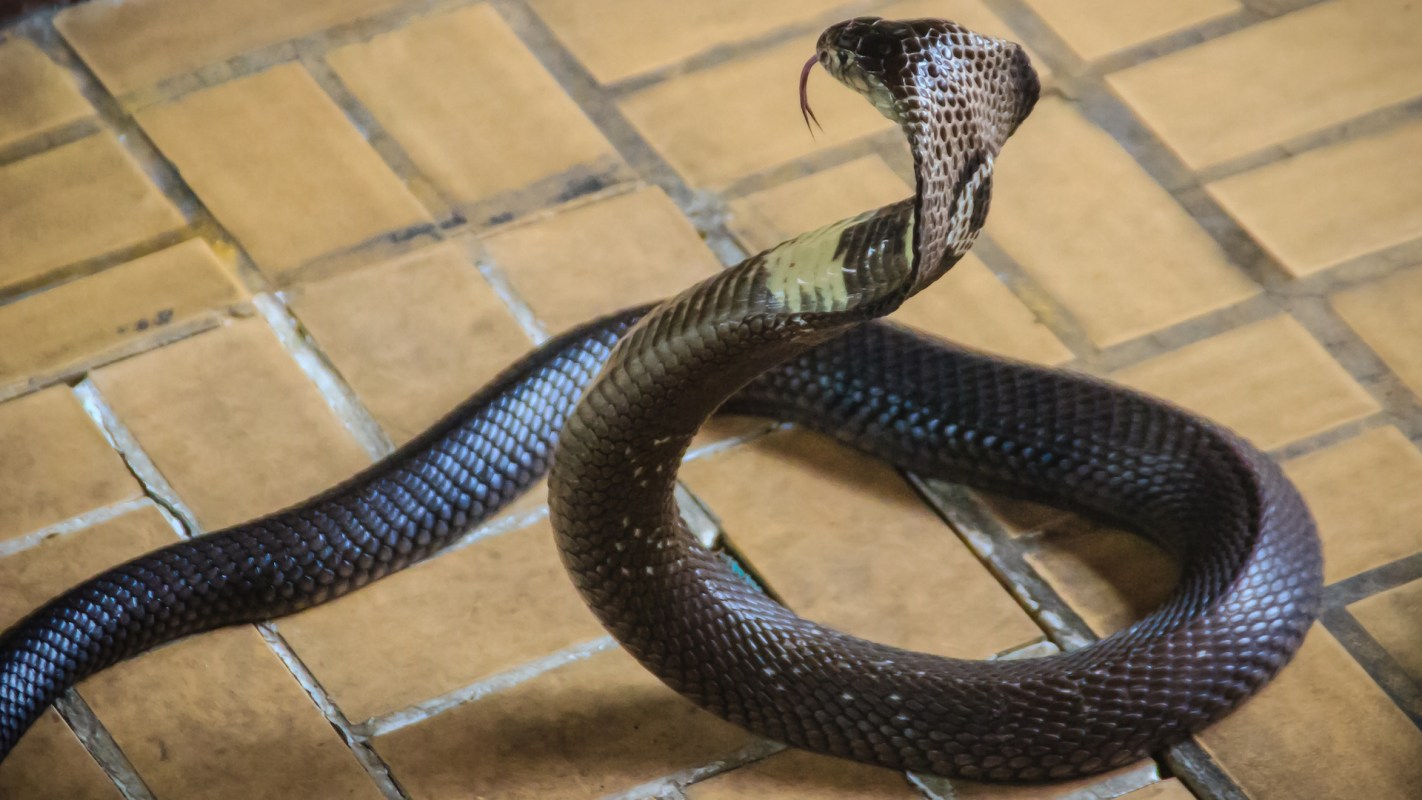
Emergency precautions replaced routine work at a juvenile detention home in Kota, India, after employees found a 5-foot black cobra in the kitchen and emptied the area to prevent injuries.
The snake was ultimately removed safely, but the incident underscored how quickly a wildlife encounter can become a serious safety threat when an animal enters a heavily used human space.
What happened?
Early Tuesday, workers at the juvenile home noticed the cobra and informed the caretaker and a security guard, after which a rescue team was contacted, according to India Today.
Snake catcher Govind Sharma said the cobra was positioned along a wall in the kitchen.
The area was cleared before the rescue began because cobras are highly venomous.
No one was hurt, and the snake was captured without injury. Afterward, the forest department was informed, and the reptile was later released back into its natural habitat once the necessary formalities were completed.
TCD Picks » Quince Spotlight
💡These best-sellers from Quince deliver affordable, sustainable luxury for all




The presence of children at the facility made the situation especially concerning. The danger could have become much more serious if the snake had reached the residential area from the kitchen.
Why does it matter?
In areas where people and wildlife increasingly live near one another, a single animal entering a building can put residents, workers, and responders at risk within minutes.
A kitchen is a high-traffic part of any building, and in a residential facility for minors, the risk is even greater because children may not recognize the threat or know how to respond safely.
Encounters often increase when habitat loss, urban expansion, and other human pressures push animals into closer contact with roads, buildings, and neighborhoods.
Panic can lead to harm on both sides, especially when venomous animals are involved.
What's being done?
The response in Kota focused first on limiting danger and then on relocating the animal.
Staff cleared the area, trained rescuers dealt with the cobra, and the forest department was involved so it could be released back into the wild. That protected both the people inside the home and the cobra itself.
Sharma also said that people should not try to injure snakes or other wild animals when they show up in homes or public spaces. Instead, he said, people should contact the forest department or qualified wildlife rescuers equipped to handle the situation properly.
Venomous species can react unpredictably when cornered, and untrained intervention can make a dangerous situation even worse.
Facilities that house children, older adults, or large groups may also benefit from reviewing emergency response plans, so staff know exactly who to contact and how to secure the area if wildlife gets inside.
The rescue ended without harm. When human spaces overlap with wildlife territory, the safest outcomes depend on quick action, trained responders, and a way to return wild animals to their habitat.

Get TCD's free newsletters for easy tips, smart advice, and a chance to earn $5,000 toward home upgrades. To see more stories like this one, change your Google preferences here.







