


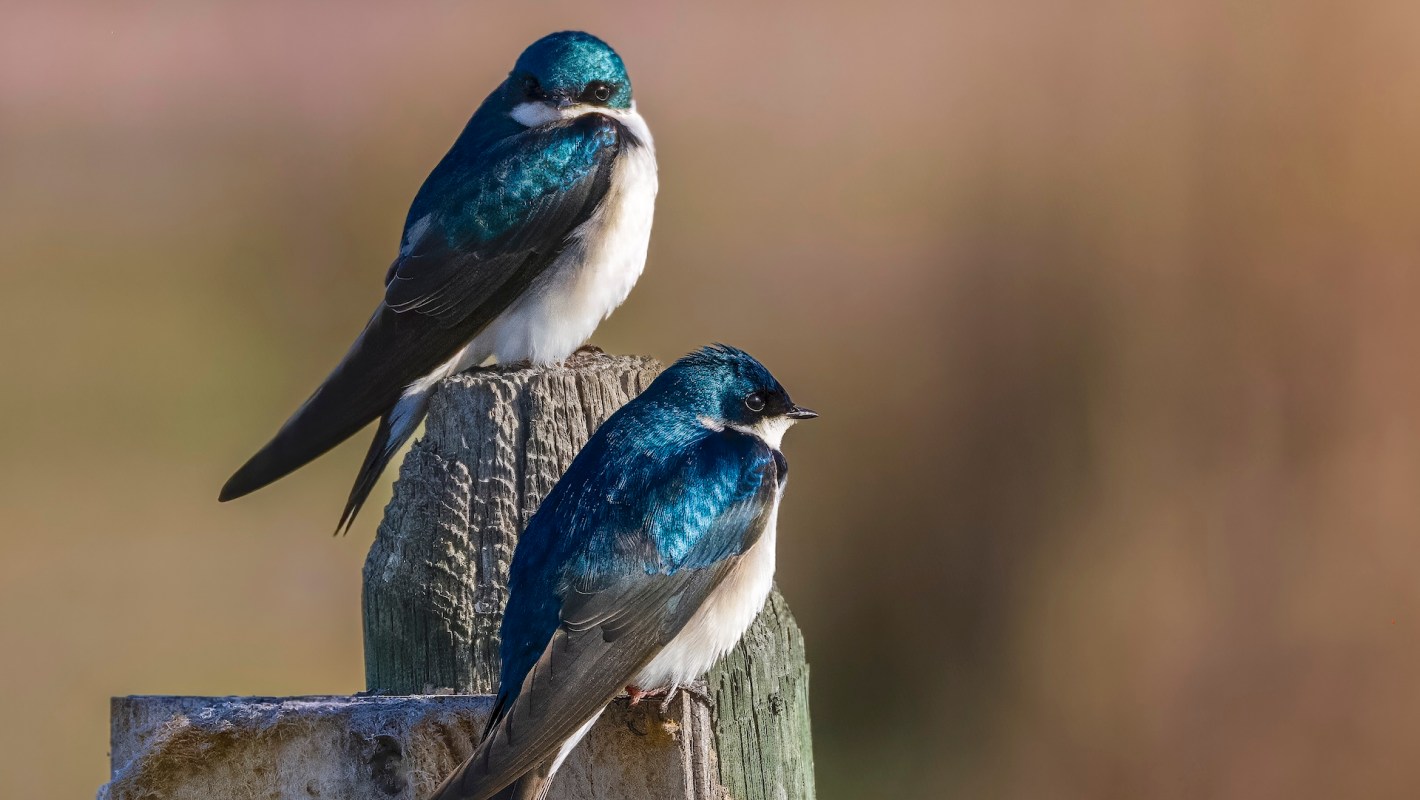
A study of tree swallows by researchers at Cornell University revealed the impact of a shifting climate on the survival rate of chicks and the potential evolution of the species.
As the average temperature of the planet increases, spring comes earlier for some species — although not all of them. Different species respond to different cues to start springtime activities, such as breeding or emerging from hibernation.
As the Cornell Chronicle reported, for swallows, warmer temperatures mean that they begin breeding two weeks earlier than they did in the 1970s. The findings were published in the journal Current Biology.
However, instead of heralding warmer weather across the board for the birds, this change exposes them to colder temperatures in some cases. While the average temperature warms up earlier than it used to, the weather is volatile in early spring, changing from warm to cold quickly.
The result is that eggs and chicks produced two weeks earlier than normal are more likely to be exposed to cold snaps.
To get a better idea of how this affected individual nests and chicks, researchers used sophisticated equipment, including fake eggs with sensors inside. By placing these in the swallows' nests, they were able to monitor how long the parents spent warming the eggs and chicks, as well as determine how frequently the chicks were fed.
TCD Picks » Quince Spotlight
💡These best-sellers from Quince deliver affordable, sustainable luxury for all




The study examined 150 to 200 nests per year in Tompkins County for 11 years. It even tracked whether the same birds returned to the area to nest again in the following years.
What researcher Conor Taff and his team found was that chicks born in years with significant cold snaps had a lower survival rate as parents spent more time away from the nest.
"In cold temperatures, we see a steady decline in feeding rates, which helps explain decreases in growth rate and nestling survival," Taff said, per the Cornell Chronicle.
"Presumably that's largely driven by the fact that there are very few flying insects at cold temperatures, so the birds are having to travel much further to go to particular places to feed."
|
Which of these savings plans for rooftop solar panels would be most appealing for you?
Click your choice to see results and earn rewards to spend on home upgrades. |
 Save $1,000 this year 💸
 However, there was also a hopeful side to the study.
"There was some evidence that chicks that were incubated at cold temperatures tended to be more resilient to those temperatures when they were feeding as adults," Taff said.
"For parents that are more robust to cold temperature changes, their nestlings are more likely to grow larger and survive under those challenging conditions."
If this pattern repeats, over time, the population of swallows could become more cold-resistant overall.

Get TCD's free newsletters for easy tips, smart advice, and a chance to earn $5,000 toward home upgrades. To see more stories like this one, change your Google preferences here.







