


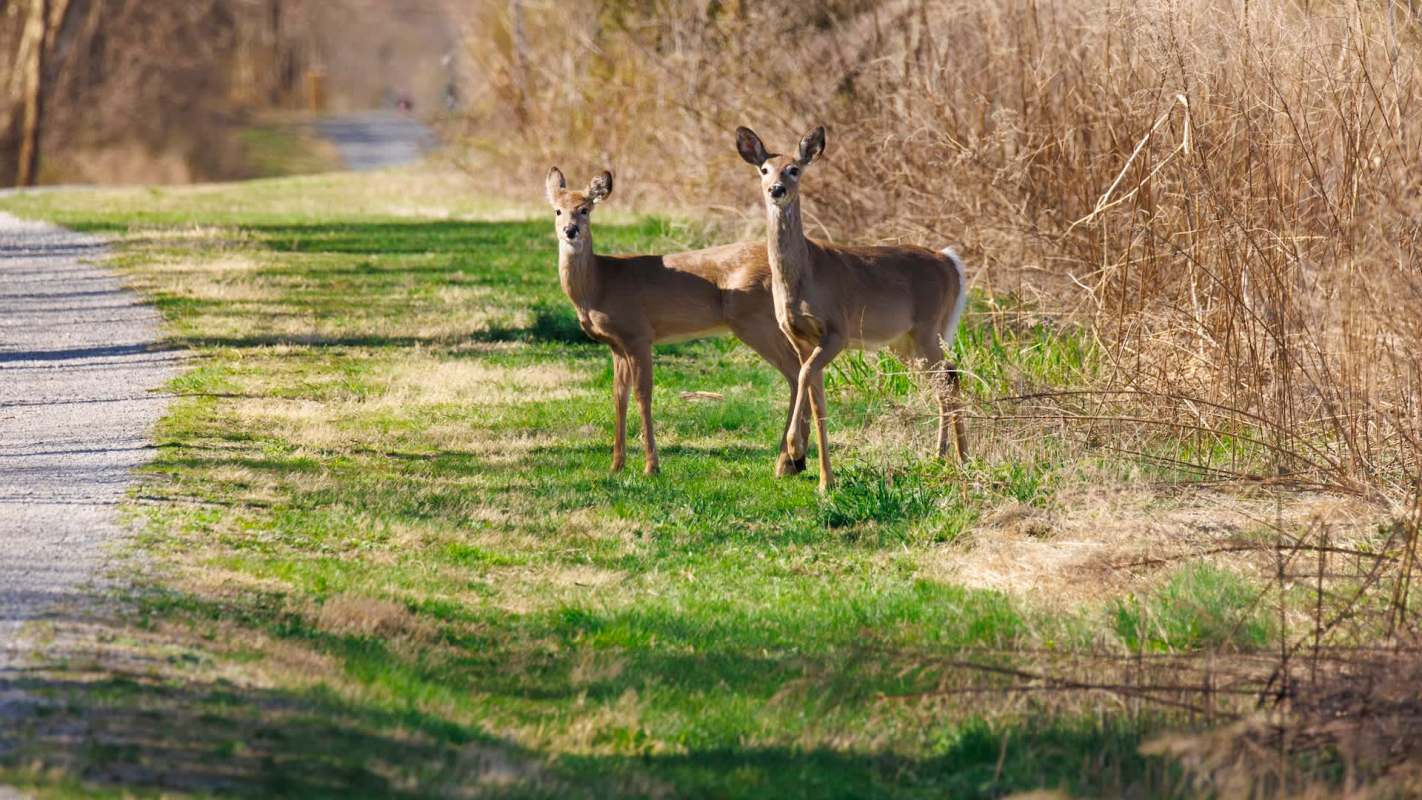
A silent epidemic is sweeping through America's forests. Known as chronic wasting disease, it has spread for decades, steadily infiltrating wildlife populations.
Now, after years of trying to contain it, some officials are abandoning one of their primary control strategies, culling infected animals, as the disease continues to outpace efforts, The New York Times reported.
What's happening?
In Illinois, wildlife officials recently ended a long-running culling program after determining it could no longer slow the spread.
"It's harder and harder to throw troops at the front line," said Daniel Skinner, the forest wildlife manager for the Illinois Department of Natural Resources, per the Times. "We've gone from one county to two counties to over 20 counties, and our staff has not increased twentyfold. We can no longer make a meaningful difference."
First detected in the wild in 1981, CWD has now been found in at least 36 U.S. states and several countries. It affects deer, elk, moose, reindeer, caribou, and related species, and it is always fatal.
CWD is caused by prions, which attack the brain. Infected animals gradually lose motor control, resulting in stumbling, drooling, and staring, earning the nickname zombie deer disease.
TCD Picks » Quince Spotlight
💡These best-sellers from Quince deliver affordable, sustainable luxury for all




Efforts to control the disease have struggled in part because prions are extremely resilient. They can persist in soil for years and may even be absorbed by plants, allowing the disease to linger long after infected animals are gone.
"The bottom-line message is we are quite unprepared," said Dr. Michael T. Osterholm, the director of the Center for Infectious Disease Research and Policy at the University of Minnesota, per the Times. "If we saw spillover right now, we would be in free fall. There are no contingency plans for what to do or how to follow up. It's a slow-moving disaster."
Why is this concerning?
Deer play a crucial role in ecosystems, and their decline can disrupt food webs and habitats.
There are also economic implications. Deer hunting generates an estimated $22 billion annually in the U.S., meaning widespread herd losses could impact local economies and conservation funding.
Another concern is whether CWD could eventually affect humans. While no human cases have been confirmed, scientists remain cautious, noting that prion diseases have crossed species before.
What's being done about it?
States are experimenting with different strategies, including banning baiting, extending hunting seasons, and increasing testing of harvested animals.
Researchers are also calling for more funding and improved surveillance to better track the disease and prepare for potential risks.
Some scientists point to natural checks as well. Predators such as wolves may help slow transmission by targeting weaker, infected animals, a process known as the predator cleansing effect.

Get TCD's free newsletters for easy tips, smart advice, and a chance to earn $5,000 toward home upgrades. To see more stories like this one, change your Google preferences here.







