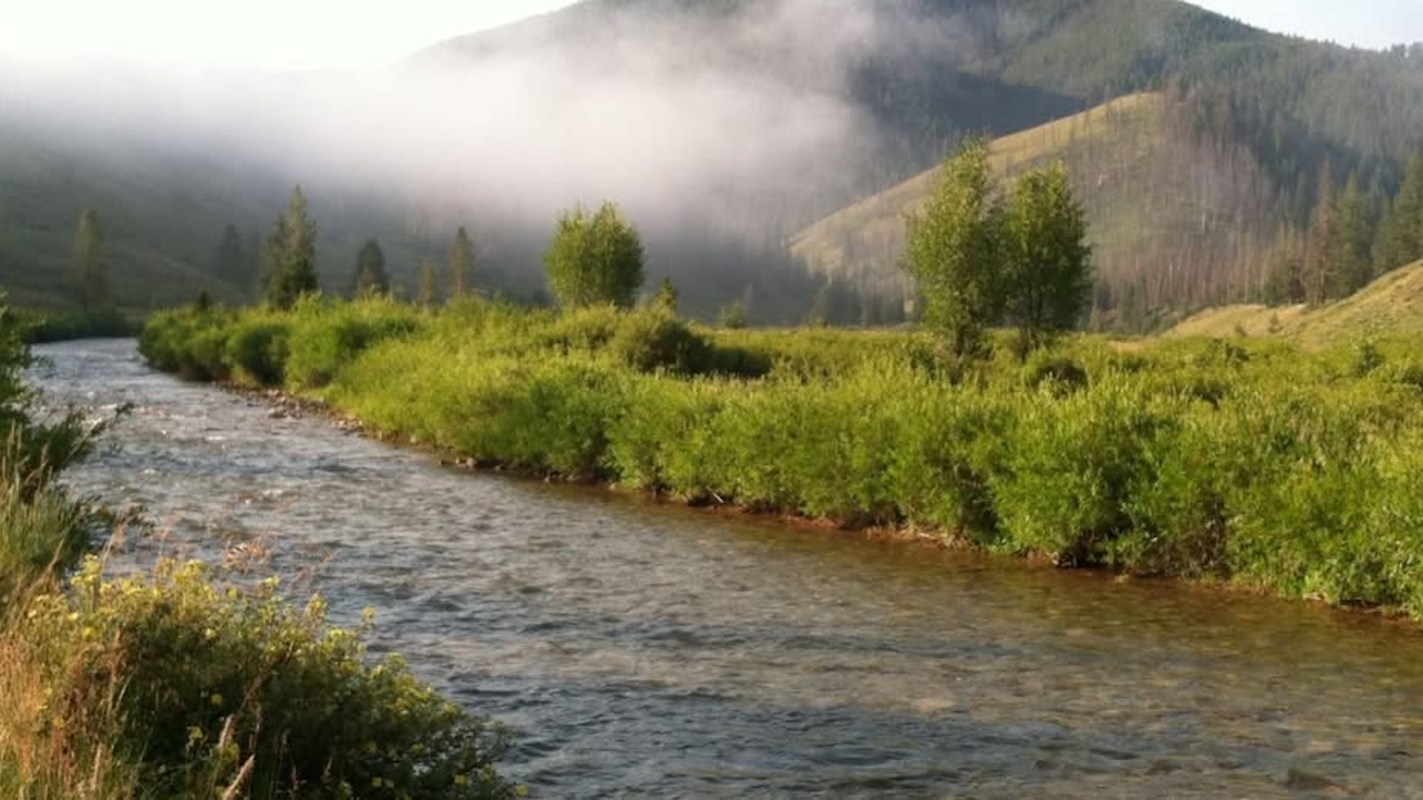
A federal judge has allowed cattle to return, for now, to a long-idled stretch of public land in Wyoming.
The decision could influence how the Bridger-Teton National Forest weighs ranching, wildlife protection, and the interests of nearby communities, according to WyoFile.
Here's what to know
While the lawsuit moves ahead, 500 to 550 cow-calf pairs may graze between mid-August and mid-October of 2026 and 2027 on four allotments in the Elk Ridge Complex near Bondurant and the Gros Ventre Range.
In seeking an emergency pause, Western Watersheds Project argued that federal officials were relying on an outdated environmental review and had not adequately addressed potential harm to grizzly bears, wolves, other wildlife, and vegetation.
As WyoFile reported, Chief Judge Kelly Rankin of the U.S. District Court for the District of Wyoming said the nonprofit had not established that it was likely to win on its claims or that allowing grazing during the case would cause irreparable harm.
"Consequently, the balance of equities and public interest factors weigh in favor of denying the request," Rankin wrote, per WyoFile.
TCD Picks » Quince Spotlight
💡These best-sellers from Quince deliver affordable, sustainable luxury for all




The 30,500-acre area had gone without livestock since 2016, until last year when grazing was permitted because of the Dollar Lake fire.
In 2016, conservation groups bought out a sheep-grazing permit there to reduce disease transmission to bighorn sheep and lessen conflicts between livestock and large carnivores.
More background
The dispute extends past a single grazing season.
It reflects a broader struggle across the West over how public lands should be managed as ecosystems, wildlife movement, and climate pressures shift faster than many older rules and reviews were designed to address.
Western Watersheds Project Executive Director Erik Molvar argued that a current grazing decision should not rest on a 1978 environmental assessment.
Since then, WyoFile reported, grizzly bears gained threatened species status, wolves spread farther, and the Bridger-Teton adopted its 1990 forest plan.
"A lot has changed in the last 50 years," Molvar observed, per WyoFile. "You can't just reach back 50 years in the past and grab an analysis."
Decisions on public land can shape ranchers' livelihoods, but they also affect wildlife conflict, recreation, watershed health, and the condition of landscapes that support tourism and outdoor economies.
What's being done?
Federal attorneys asserted that the Forest Service had done enough review before reopening the allotments.
In addition to the 1978 assessment, the agency cited "an updated consultation" with the U.S. Fish and Wildlife Service and an environmental compliance review completed in 2026.
The Fish and Wildlife Service concluded that the expected effects, including those involving grizzly bears and other protected species, stayed within the "permissible scope."
The Dollar Lake Fire burned about 19,500 acres in the Upper Green, including 15,000 acres already permitted for grazing elsewhere.
Coke Landers, president of the Upper Green River Cattlemen's Association, stated that the fire's impacts were why forest officials had already approved use of the Elk Ridge Complex, WyoFile reported.
Western Watersheds Project had not decided whether to appeal, and the larger case could continue even if cattle are turned out between mid-August and mid-October of 2026.
Where can I learn more?
Grazing fights rarely stop at a single allotment or season.
Across the West — and even farther afield — battles over land access keep forcing officials to weigh livestock, wildlife, long-standing rights, and the needs of nearby communities.
• In Colorado, descendants of an 1844 land grant reclaimed grazing rights on a billionaire's ranch.
• Tribes say new grazing rules on public lands tilt policy toward cattle, not bison.
• In central Montana, conservationists asked a court to halt bison removal on federal land.
• In a Nigerian city, officials faced major traffic hazards as cattle herds crowded urban roads.
That broader pattern helps explain why the Elk Ridge dispute matters beyond Bondurant.
Decisions about grazing often turn into bigger arguments over who public lands are meant to serve.

Get TCD's free newsletters for easy tips, smart advice, and a chance to earn $5,000 toward home upgrades. To see more stories like this one, change your Google preferences here.