


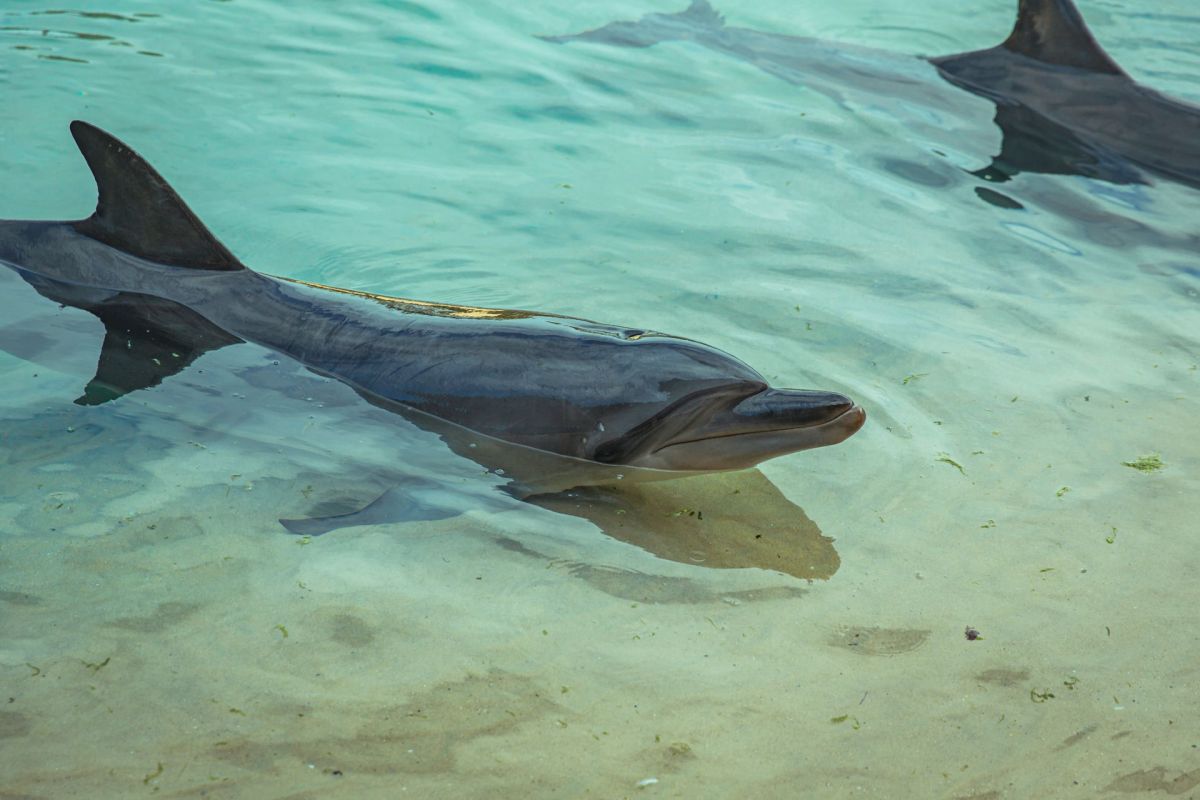
What should have been an ordinary sunrise stroll on Cape Cod instead became an emergency wildlife rescue after dozens of bottlenose dolphins were found stranded on the beach.
The incident unfortunately turned into the largest-ever mass stranding of bottlenose dolphins across the northeast U.S., according to NBC10 Boston.
What happened?
As Leslie Bracebridge walked closer to the scene at First Light Beach in Brewster, she discovered the stranded dolphins, and said the scale of it only slowly registered.
"The closer I got, all of a sudden, it hit me," she told NBC10 Boston. "I was looking at more animals than I'd ever seen."
She quickly called the marine stranding line, a move that helped set off a wider rescue response.
Responders and volunteers hurried to the beach, including Debbie Pearl, an experienced volunteer on the International Fund for Animal Welfare's Marine Mammal Rescue team.
TCD Picks » Quince Spotlight
💡These best-sellers from Quince deliver affordable, sustainable luxury for all




"The only option at that point was to just keep supportive care, tried to keep them righted, have them breathing until the water came in and they were able to refloat," she said.
A total of 34 dolphins were stranded during the event. Of the 11 that ended up in shallow water, responders were able to refloat 10.
Until the tide rose, rescuers worked to keep the animals upright and breathing. Several died during the beaching, including some pregnant dolphins. Two of the surviving animals were fitted with tracking devices that will be used to see how they move once out on the open ocean.
Why does it matter?
Cape Cod's dramatic tides already make it a place where strandings happen frequently, since so much shoreline can be left exposed.
Even so, the size of this event, and the fact that the animals were bottlenose dolphins, suggests a shift that goes beyond the area's usual hazards.
Brian Sharp, IFAW's Marine Mammal Rescue director, told NBC10 Boston that stranded bottlenose dolphins have been showing up more often over the past several years.
"So while we only used to get one bottlenose dolphin stranded every year, every two years, now it's becoming more frequent in the last 10 years," Sharp explained. "Animals that used to be only found south of the Cape and south of Long Island, we're now finding north of the Cape."

Get TCD's free newsletters for easy tips, smart advice, and a chance to earn $5,000 toward home upgrades. To see more stories like this one, change your Google preferences here.







