


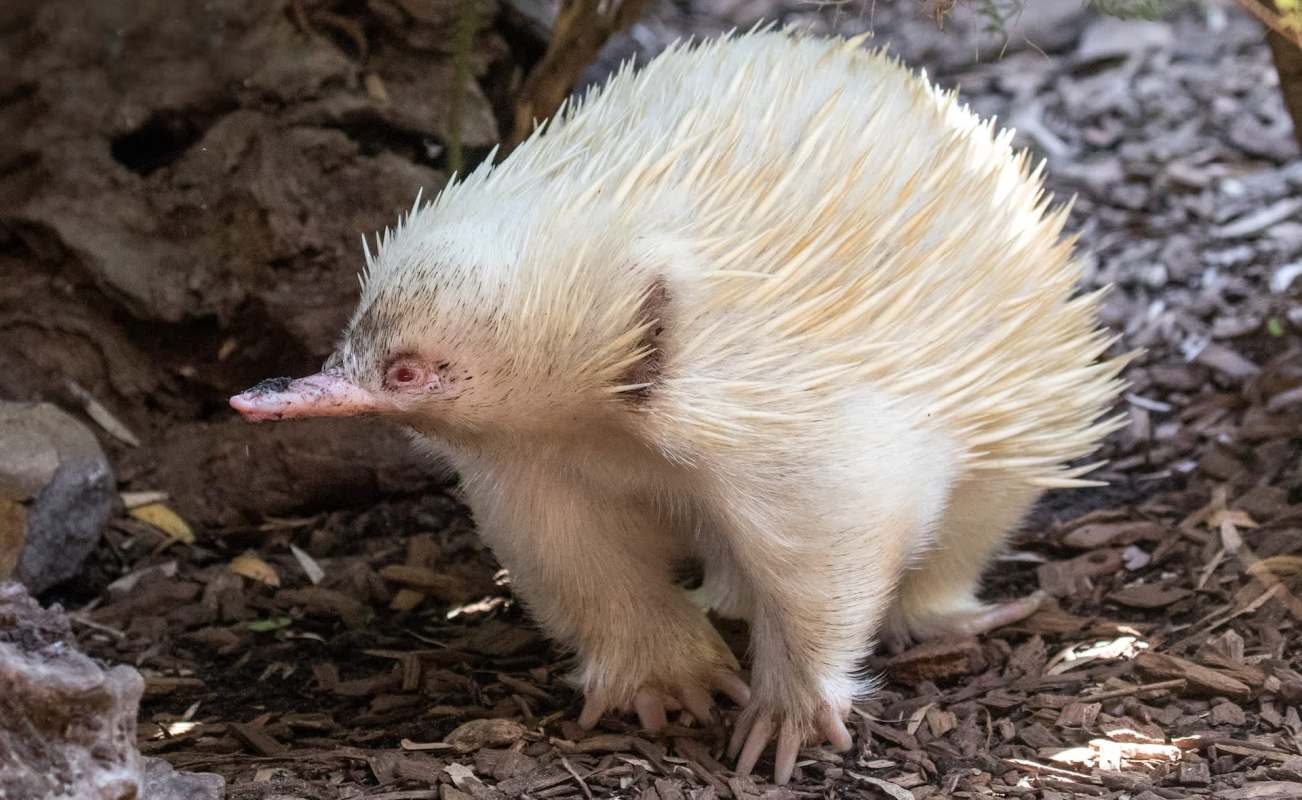
Wildlife lovers have reason to celebrate after what PetaPixel described as the first camera survey on Truwana/Cape Barren Island off Tasmania turned up remarkable surprises, including a blond-colored echidna and white-footed dunnarts seldom documented by science.
According to the photography news site, the survey was led by Truwana Rangers, who set up 30 motion-sensor cameras at seven sites on the island from Nov. 2024 through May 2025. During that time, the cameras captured around half a million images, creating an important first snapshot of the island's wildlife and showing just how much there is still to learn about the animals that live there.
One of the most striking discoveries was a pale echidna that likely has leucism. Unlike albinism, which removes pigment almost entirely, leucism reduces pigmentation and can give animals a lighter, blond, or patchy appearance. On islands such as Truwana, smaller and more isolated gene pools can make unusual color traits like this more likely to emerge.
The find is exciting for more than its novelty. It gives rangers and conservation teams valuable insight into the island's biodiversity, including species and traits that might otherwise go unnoticed. That kind of baseline data can help guide future monitoring and protection efforts, especially in places where wildlife has not been extensively surveyed before.
The white-footed dunnart sightings are equally significant. These tiny marsupials are elusive and rarely recorded, so capturing them on camera adds to the scientific understanding of a species most people will never see in person.
Projects like this can have effects far beyond a single survey.
TCD Picks » Quince Spotlight
💡These best-sellers from Quince deliver affordable, sustainable luxury for all




Community-led wildlife monitoring helps build a clearer picture of ecosystem health, and healthy ecosystems support cleaner air, better water, and more resilient landscapes for everyone. It also underscores the importance of supporting ranger programs and Indigenous-led stewardship, which continue to play a major role in protecting biodiversity.
"Working alongside the Truwana Rangers has fundamentally shaped this research," said Dr. Elizabeth Znidersic of Charles Sturt University, who also supported the project. "Their understanding of the land and its species has helped us interpret what the cameras are showing in a much more meaningful way."
The survey also received support from WWF-Australia's Eyes on Country program, as noted by PetaPixel, showing how targeted funding can help deliver meaningful conservation gains.
The camera work also highlights how low-impact technology can support wildlife protection.
"These camera arrays are revealing a level of biodiversity that other survey methods often miss, especially for shy or nocturnal birds and mammals," explained Dr. Znidersic. Better monitoring often leads to better conservation decisions — and sometimes to astonishing discoveries.
In this case, one first-of-its-kind survey delivered both: a deeper understanding of Truwana's wildlife and a hopeful reminder that nature can still surprise us.

Get TCD's free newsletters for easy tips, smart advice, and a chance to earn $5,000 toward home upgrades. To see more stories like this one, change your Google preferences here.







