


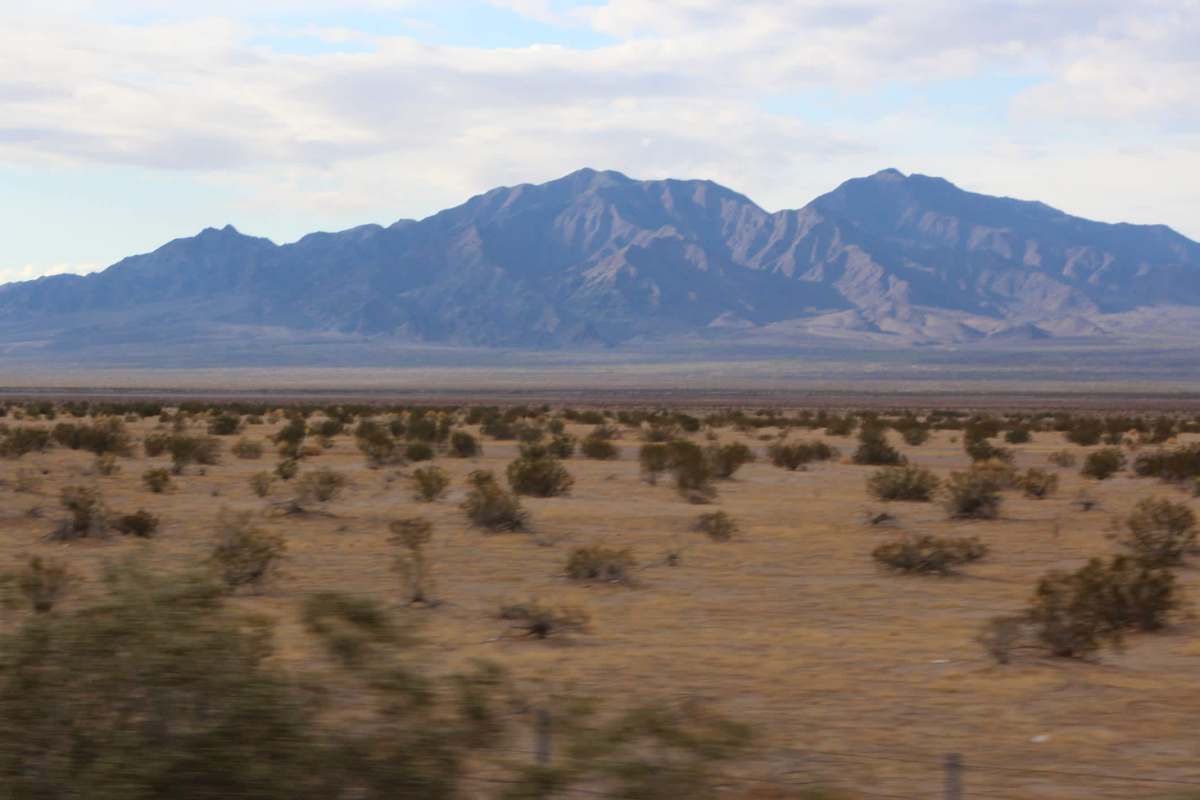
New lawsuits are targeting a proposed water project in California's Mojave Desert, where tribes and environmental groups say it could deplete a fragile aquifer.
The cases were filed after the Trump administration reinstated a right-of-way across federal public lands that had been reconsidered during the Biden administration.
What's happening?
Opponents of the project have opened two court fights over the U.S. Bureau of Land Management's decision to re-authorize a corridor across protected Mojave Desert land, according to the legal news site Courthouse News Service.
One suit was filed in Los Angeles by the Center for Biological Diversity and the Sierra Club.
The second action in Riverside came from the Fort Mojave and Chemehuevi Tribes together with the Native American Land Conservancy and the National Parks Conservation Association, the news site reported.
The two complaints center on a right-of-way that the agency reset earlier this month for the so-called Northern Pipeline. Cadiz Inc. wants to reuse a retired oil and gas line for its Mojave Groundwater Bank project and send water from a desert aquifer to users on the California coast.
TCD Picks » Quince Spotlight
💡These best-sellers from Quince deliver affordable, sustainable luxury for all




According to Courthouse News, the project "aims to extract roughly 16.3 billion gallons of groundwater every year for 50 years from aquifers north of Joshua Tree National Park."
Why does it matter?
Opponents say the renewed approval could accelerate groundwater pumping in one of North America's driest regions, endangering springs and wildlife habitats.
In their complaint, the nonprofit groups wrote, "The resulting drawdown of the water table will cause many freshwater springs of critical importance to desert plants and animals to go dry."
The plaintiffs say the fallout would not stop at remote desert habitats and could also affect nearby communities.
According to Courthouse News, they argue that dwindling groundwater could dry playa lakebeds and kick up toxic dust while also harming springs and riparian areas that are culturally important to tribes and ecologically important to ecosystems.
More broadly, critics argue that advancing the project without a full environmental review runs counter to efforts to manage water more carefully in a hotter, drier West, particularly where public lands and tribal interests are involved.
What's being done?
The plaintiffs are asking the courts to reverse the federal bureau's decision to move forward with the project without a full environmental review.
As reported by Courthouse News, the tribal plaintiffs have said, "To date, the Cadiz Project's plan to extract and transport billions of gallons of water per year, from the driest desert in North America to out-of-basin customers, thereby causing the drawdown of the aquifer, has escaped any meaningful federal review of its potentially catastrophic impacts."
If the plaintiffs prevail, federal parties could be required to reconsider the project through a more transparent public process and a fuller review of the risks.

Get TCD's free newsletters for easy tips, smart advice, and a chance to earn $5,000 toward home upgrades. To see more stories like this one, change your Google preferences here.







