


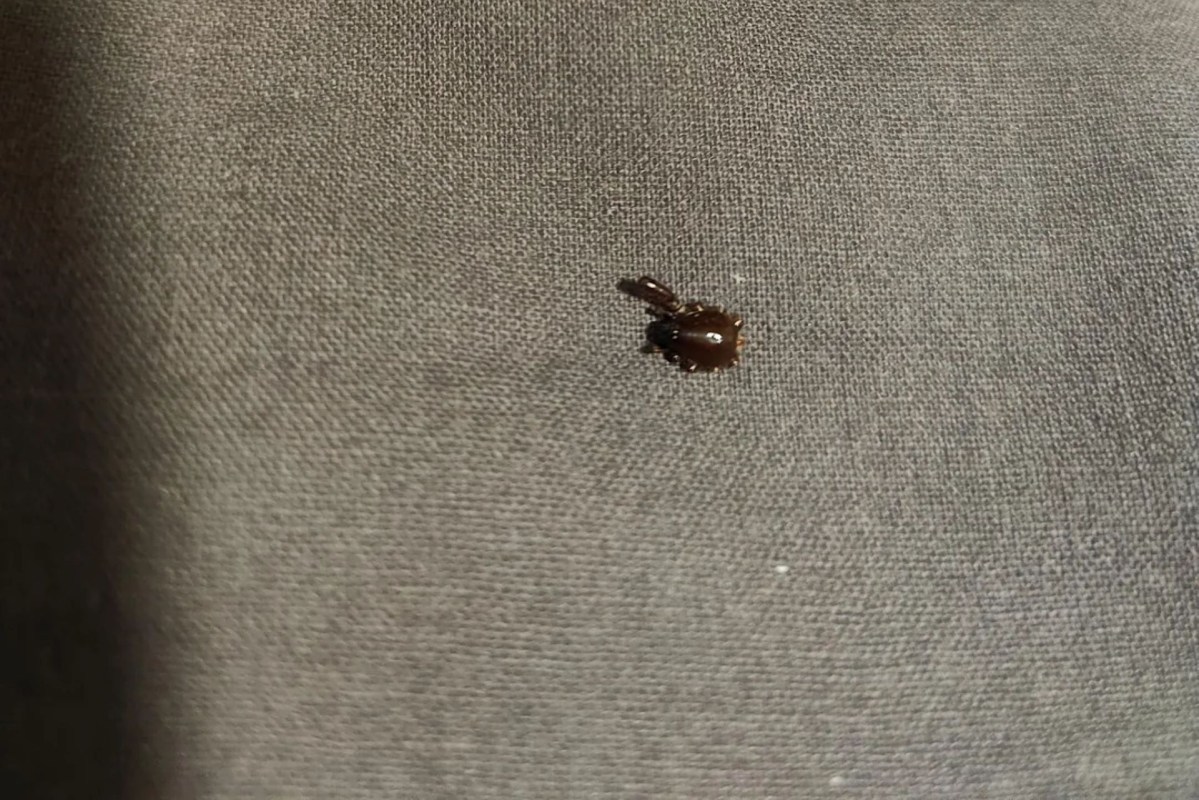
Few things can trigger instant panic like waking up to something with many legs crawling on your skin. One Reddit user in the United Kingdom turned that nightmare scenario into a surprisingly funny bug identification story after waking up to a mystery creature on their leg and later learning from commenters that it was a spider.
By the time the poster went looking for answers, the animal had been crushed badly enough to make identification tricky. Even so, commenters concluded it was a spider, with one user penning a great joke.
What happened?
The original poster brought the question to the "what's this bug" forum, writing, "Woke up to this crawling on my leg" and asking others what it was.
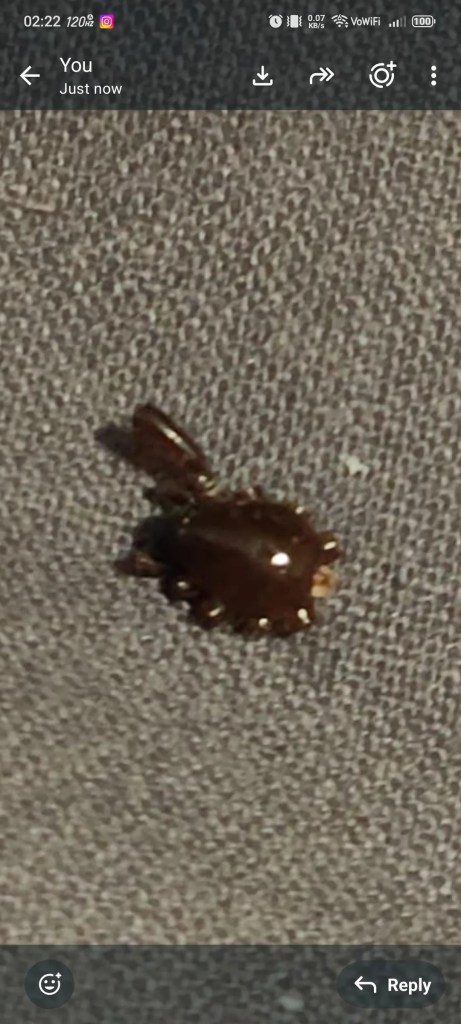
Based on the remains, other users said the creature appeared to have been a spider.
Much of the thread's humor came from the condition of the specimen as much as from the ID itself. One creative joke became a memorable comment: "That *was* a spider before it suffered a rapid kinetic disassembly."
Someone else asked, "How did you make this spider explode?" while another user quipped that it was "about 38% of a spider."
TCD Picks » Quince Spotlight
💡These best-sellers from Quince deliver affordable, sustainable luxury for all




Why does it matter?
Wildlife encounters can happen just about anywhere, including places you'd least expect them — not just on a hike or in a remote outdoor area, but inside bedrooms, bathrooms, and hallways. Even small animals can feel much bigger when they appear unexpectedly and at close range.
These encounters are also shaped by human activity. Homes create warm, sheltered environments, and artificial lighting can draw in insects that spiders feed on. In other words, people often create the conditions that make indoor spider visits more likely.
The growing overlap between human spaces and animal habitats can make these run-ins more common.
A surprise encounter may lead to unnecessary fear or misinformation. Not every spider found indoors is a threat, and learning what lives in the area can help people respond more calmly the next time.
What can I do?
If you spot a mystery bug indoors, the best move is to pause long enough to get a clear look or photo before reacting. Identification is much easier when the animal is alive, and it can help determine whether it is harmless or something that needs expert attention.
You can also reduce the odds of future encounters by sealing cracks, checking window screens, and avoiding the things that attract critters in the first place. Less clutter can help, for example, since it removes hiding spots.
If the animal is harmless, a simple cup-and-paper method is often enough to move it outside without killing it. And if you are unsure what you found, online identification communities can be useful for quick answers.
Everyday nature is all around us — sometimes a little closer than people prefer.

Get TCD's free newsletters for easy tips, smart advice, and a chance to earn $5,000 toward home upgrades. To see more stories like this one, change your Google preferences here.







