


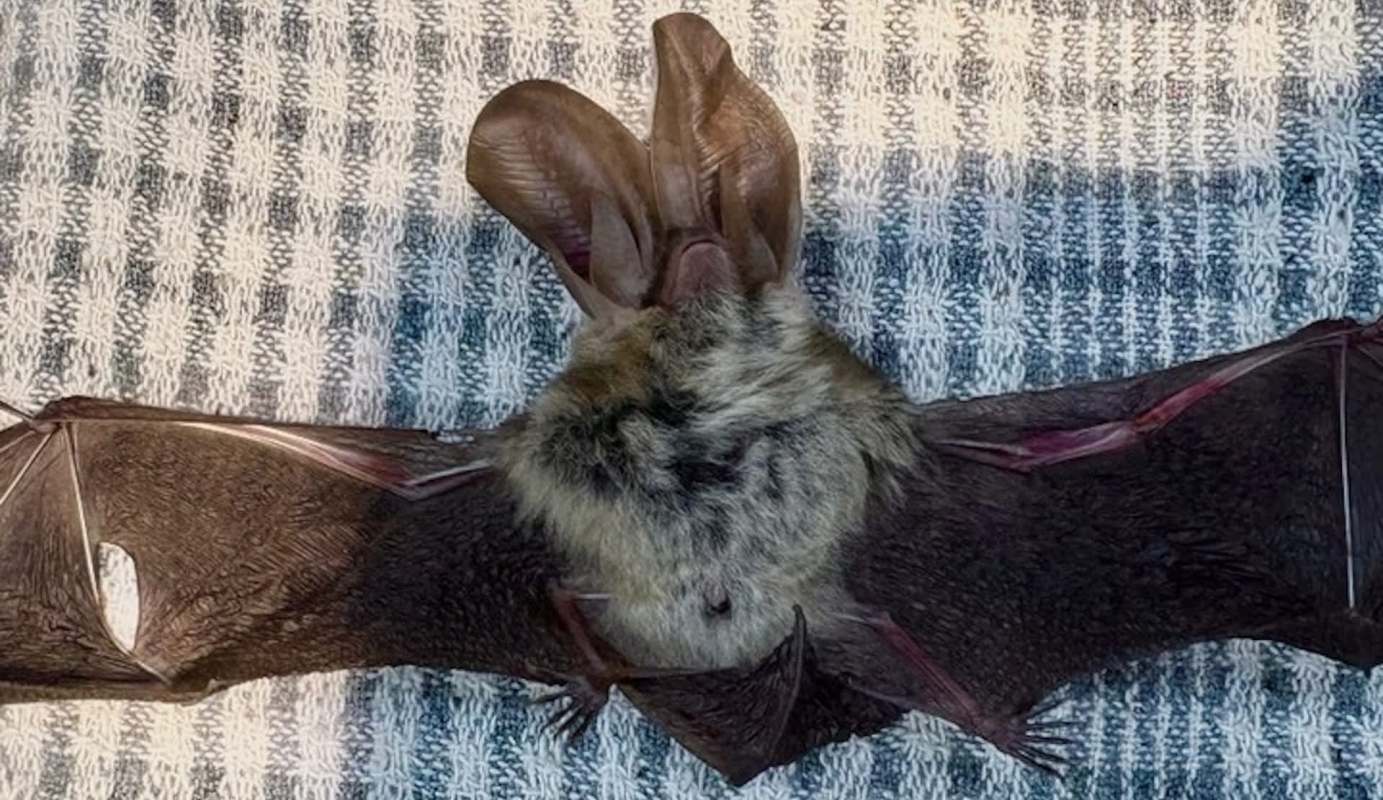
A brown long-eared bat in England was brought in for emergency care after a cat attack left him unable to fly, underscoring how quickly an everyday encounter between a pet and wildlife can turn deadly.
The case also points to a broader conservation challenge: When native animals are badly injured, it affects local rescue groups and the ecosystems around them.
What happened?
Wildlife Aid Foundation (@wildlifeaid) shared an Instagram post about a brown long-eared bat that came into its care after a cat attack that left it unable to fly.
In the post, the organization said the bat was "cold, weak and barely responsive" after the attack.
Wildlife Aid said the animal's injuries were so serious that he "never stood a chance."
Brown long-eared bats are small mammals, and like many bat species, they are especially vulnerable when they come into close contact with domestic cats. Even one attack can be catastrophic for an already fragile wild animal.
TCD Picks » Quince Spotlight
💡These best-sellers from Quince deliver affordable, sustainable luxury for all




Why does it matter?
Wildlife injuries caused by domestic pets can add up, placing extra strain on conservation work and slowing progress toward healthier local ecosystems.
Bats play an important role in nature, including helping keep insect populations in balance. When they are injured or killed, the loss affects more than a single animal — it chips away at the biodiversity communities rely on for a more stable environment.
Wildlife rescue centers must devote time, staff, and resources to urgent cases like this one, often while caring for many other injured animals at the same time. Preventable attacks can stretch those services even further.
What can I do?
One practical step is to reduce the chances of cats encountering wildlife, especially during the times of day when bats and other small animals are most active. Keeping cats indoors at key times or supervising outdoor time can help reduce the risk.
People can also make their yards safer for wildlife by checking for injured animals before letting pets out and by contacting a rescue group if they find an animal that appears weak, cold, or unable to move normally.
Supporting local wildlife rehabilitators can make a difference, too. Donations, volunteering, and simply sharing rescue organizations' advice can help communities respond more quickly when animals are in trouble.

Get TCD's free newsletters for easy tips, smart advice, and a chance to earn $5,000 toward home upgrades. To see more stories like this one, change your Google preferences here.







