


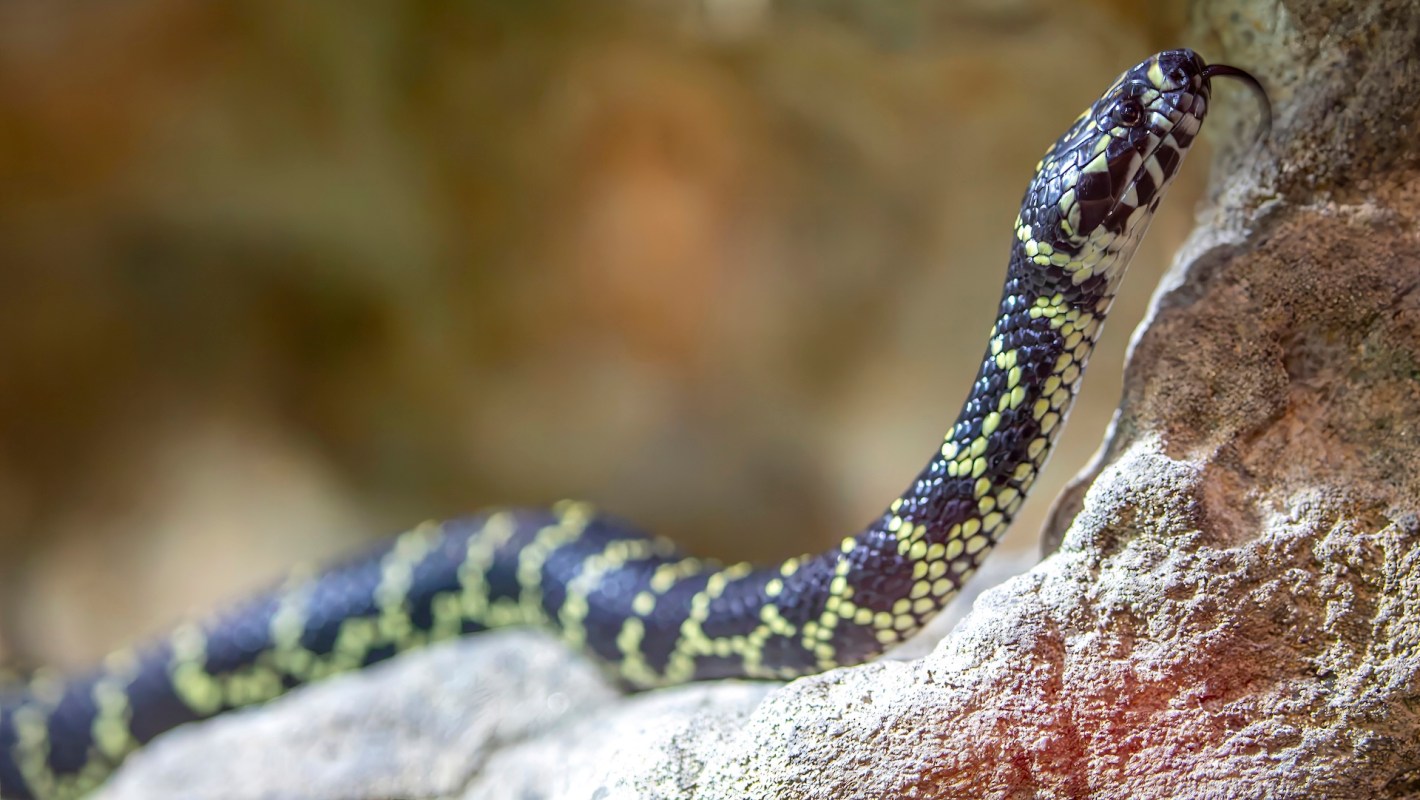
Four of six captive-bred broad-headed snakes released into the Australian bush have survived their first, most dangerous months outdoors.
A key to that encouraging start has been artificial rocks designed to give the threatened reptiles a safer place to shelter.
Here's what to know
University of Technology Sydney researchers have bred eight broad-headed snakes since 2024 through a partnership with conservation organization Aussie Ark and Indigenous representatives of Shoalhaven's Traditional Owners, Popular Science reported.
Biologists kept two snakes because of their genetic traits and returned six juveniles to restored habitat in May. The first-of-its-kind program pairs captive breeding with carefully designed habitat restoration to help rebuild the species' population.
"When the juvenile snakes are released, they risk getting eaten by either native predators, like kookaburras and brown snakes, or invasive predators such as cats or foxes," University of Technology Sydney wildlife ecologist Jonathan Webb explained in a statement.
More background
Broad-headed snakes can live for up to 23 years. These yellow-banded reptiles are native to the Sydney Basin and can reach nearly 3 feet in length.
TCD Picks » Quince Spotlight
💡These best-sellers from Quince deliver affordable, sustainable luxury for all




Females breed only once every two or three years and do not reach reproductive maturity until about age 5. Those reproductive habits limit how quickly the population can recover.
Webb identified worsening drought and increasingly frequent fires in Australia as factors in the species' decline. Slow reproduction makes the snakes especially vulnerable to those threats, as well as habitat destruction and invasive predators.
Another factor affecting their survival is the intentional removal of bush-rocks for landscaping projects. This is especially taxing on juveniles because they rely on the bush-rocks for shelter as well as a source for a steady diet of skinks and geckos.
Webb noted that an attractive boulder can fetch up to $450, which can further incentivize people to commodify bush-rocks.
"You can still buy rocks and boulders taken from the bush at your local landscape supplier, which is something I find really frustrating," he said.
What's being done?
To give the young snakes a better chance of survival, Webb's team placed them beneath custom artificial rocks instead of releasing them into habitat without suitable shelter.
The structures have carefully measured crevices and are designed to reproduce the thermal properties of natural rock formations, helping replace the bush-rock habitat the snakes have lost.
"Broad-headed snakes are nocturnal so they shelter under these rocks during the day and rely on them for warmth, protection and to attract prey," Webb explained.
The team hopes to raise additional broad-headed snakes for reintroduction and bring the program to other parts of Australia.
Aussie Ark founder Tim Faulkner described the broader potential of the partnership.
"We now have a unique, multi-faceted, holistic program that's a model for threatened species conservation Australia-wide, and I couldn't be prouder of our team and our partners," he said in the statement.

Get TCD's free newsletters for easy tips, smart advice, and a chance to earn $5,000 toward home upgrades. To see more stories like this one, change your Google preferences here.







