


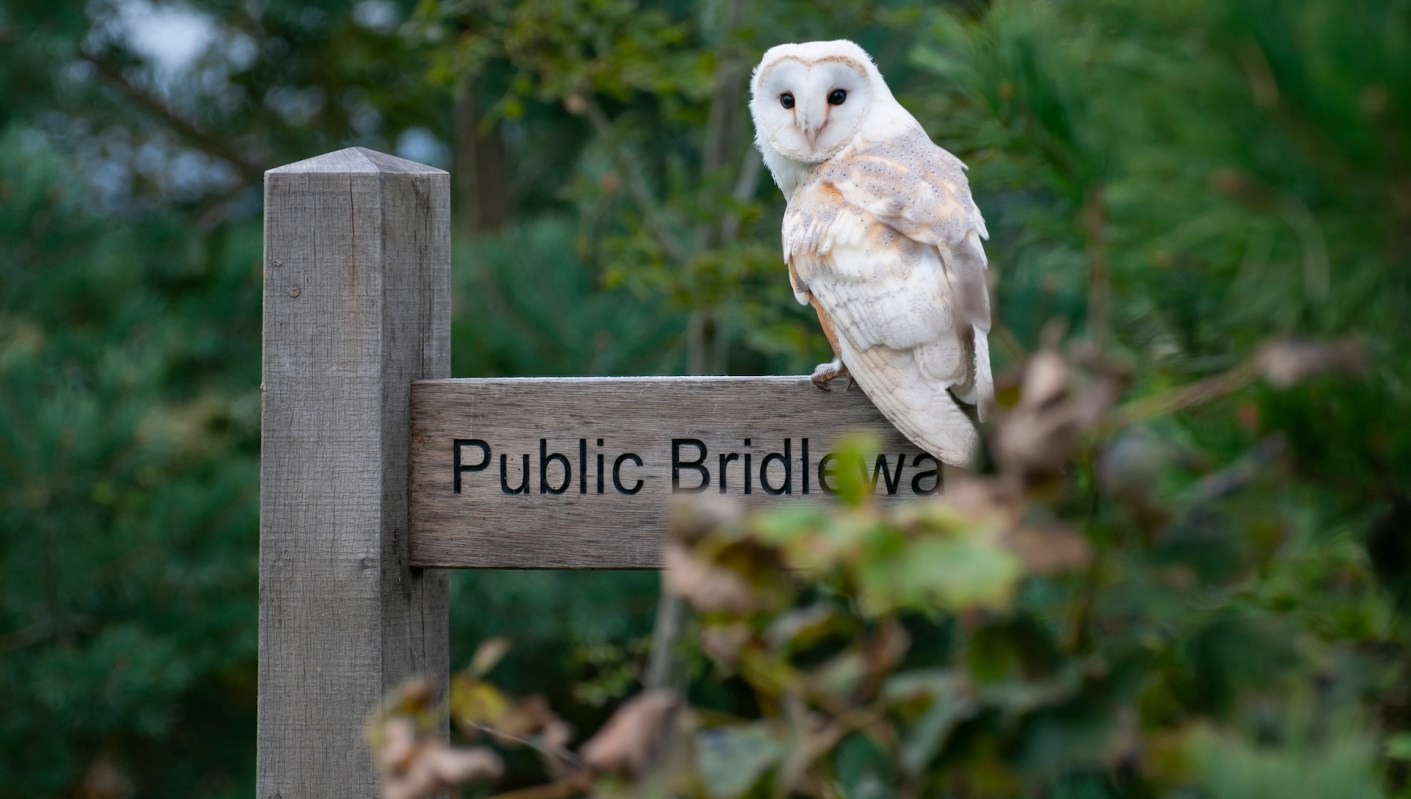
A major rewilding effort on an English estate is producing a remarkable result: the site now hosts every British owl species, something staff says has not happened in living memory.
Here's what to know
Covering 2,500 acres near Skipton, Broughton Sanctuary is seeing wildlife, in the words of its rewilding team, "returning at pace," BBC News reported.
The project started in 2021, and the estate's Nature Recovery team has restored wetlands, planted more than 340,000 locally native trees, and brought in rare species.
Sarah Kinloch, a conservationist with the project, said one of the clearest signs of that recovery is that all five British owl species now live on the estate. BBC News reported that the returning birds of prey also include sparrowhawks, red kites, kestrels, peregrines, and hen harriers.
The running species count compiled by volunteers has reached about 1,750.
Kinloch described how one part of the ecosystem set off a chain reaction of growth, saying, "When insects come you get small birds. Small mammals live in the long grass and so then you get birds of prey. So it just kick-starts everything."
TCD Picks » Quince Spotlight
💡These best-sellers from Quince deliver affordable, sustainable luxury for all




More background
According to BBC News, the Tempest family has overseen Broughton Hall Estate for more than 900 years. Kinloch said the land had gone through periods of intensive agriculture that left behind "a billiard table green layer of grass and not much else."
Adrian Lee, one of the estate's wildlife wardens, said he has seen that shift firsthand. "The changes I've seen, especially since we started rewilding, have been nothing short of remarkable," Lee said. "The sheer amount of wildlife we have got back or never had before - like different types of birds of prey, mammals and I'd say foxes, badgers, hares... we are seeing a lot more than we ever have before."
What's being done?
The sanctuary is using several methods at once rather than betting on a single solution. Along with large-scale tree planting and wetland restoration, beavers now live on the estate and, according to BBC News, are altering the woodland by building dams that slow and hold back water.
Lee said that change has helped attract species such as little egret, heron, and dragonflies. "When you look at what they've done, in such a short space of time, they are remarkable," he said of the beavers.
Another part of the plan involves Iron-Age pigs, which BBC News described as an uncommon mix of Tamworth and European wild boar. Introduced in August 2024, they dig through the soil, break up the ground, and leave bare patches where wildflowers can grow and dormant seeds can awaken.
As Kinloch put it: "We have got a deep sense of disconnection from nature as a human race. So we want to try and bring that into a bit more balance, because without a healthy planet we can't survive ourselves as a species."

Get TCD's free newsletters for easy tips, smart advice, and a chance to earn $5,000 toward home upgrades. To see more stories like this one, change your Google preferences here.







