


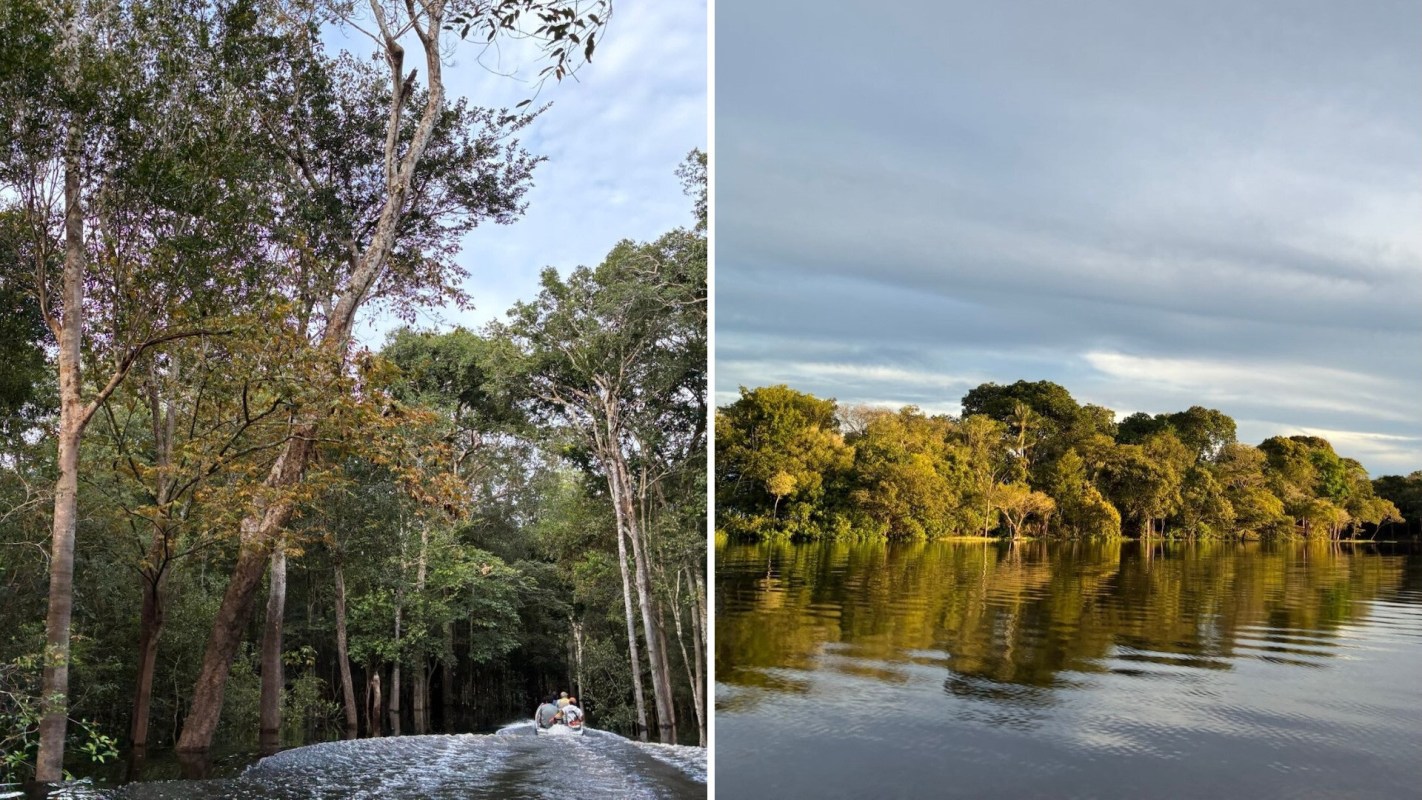
More than 1.6 million acres of Brazilian ecosystems have been placed under protection, expanding conservation efforts in a country considered one of the most ecologically important on Earth.
The newly protected area spans parts of the Amazon and the Caatinga. The measures aim to preserve biodiversity while supporting local communities and Indigenous territories.
Here's what to know
According to an Instagram post from actor and environmental advocate Leonardo DiCaprio, President Luiz Inácio Lula da Silva announced on September 8 that four Sustainable Development Reserves would be established in the Amazon and that Sete Cidades National Park in the Caatinga would be enlarged.
All four reserves are in the region around the BR-319 highway, and they are meant to safeguard biodiversity while helping defend Indigenous Peoples' ancestral territories.
In Piauí, Sete Cidades National Park is being expanded by more than 17,000 acres (6,900 hectares). DiCaprio said the added protection benefits threatened species, including the endemic Cerrado Little Brown Bat.
Altogether, these new protections total more than 1.6 million acres (676,000 hectares).
TCD Picks » Quince Spotlight
💡These best-sellers from Quince deliver affordable, sustainable luxury for all




More background
This step follows Brazil's establishment of the Rio Tanaru Indigenous Peoples National Park in June 2026.
Protecting intact ecosystems can preserve wildlife habitat, store planet-cooling carbon, and ease pressure from destructive land use.
Sustainable Development Reserves are designed to both conserve nature and to support the people who live in and depend on these landscapes. That can help traditional and local communities maintain livelihoods tied to standing forests, rather than seeing those areas cleared or degraded.
Healthier forests help regulate rainfall, stabilize regional climates, and protect freshwater systems that millions of people rely on directly or indirectly. Stronger protection for Indigenous territories also aligns with long-standing evidence that Indigenous stewardship is among the most effective forms of conservation.
What's being done?
The designations also come with major funding commitments. DiCaprio said more than $47 million is tied to sustainable forest management, along with more than $46 million for restoration and territorial initiatives.
The money is expected to help pay for territorial protection, restoration work, community-led projects, and forest management.
DiCaprio also said the designations received support from @andesamazonfund, Re:wild, @artintoacres, @bezosearthfund, @moorefound, and the Wyss Foundation.
He wrote that these are "important efforts to protect critical ecosystems while supporting the communities who live in and depend on them."
Where can I learn more?
Brazil's new reserves are part of an effort to slow deforestation, repair damaged landscapes, and rebuild the country's environmental vigor. The stories below look at how policy shifts, better monitoring, and reforestation work are affecting the Amazon and other ecosystems across Brazil.
• Across the Amazon, surging deforestation spurred the Brazilian government into stronger conservation action.
• Brazil's native seed networks face obstacles even as its 30-million-acre reforestation plan moves forward.
• In Brazil, improved monitoring helped the Atlantic Forest reach its lowest deforestation in 40 years.
Protected areas tend to have the biggest impact when enforcement, restoration, and tangible political support back them.

Get TCD's free newsletters for easy tips, smart advice, and a chance to earn $5,000 toward home upgrades. To see more stories like this one, change your Google preferences here.







