


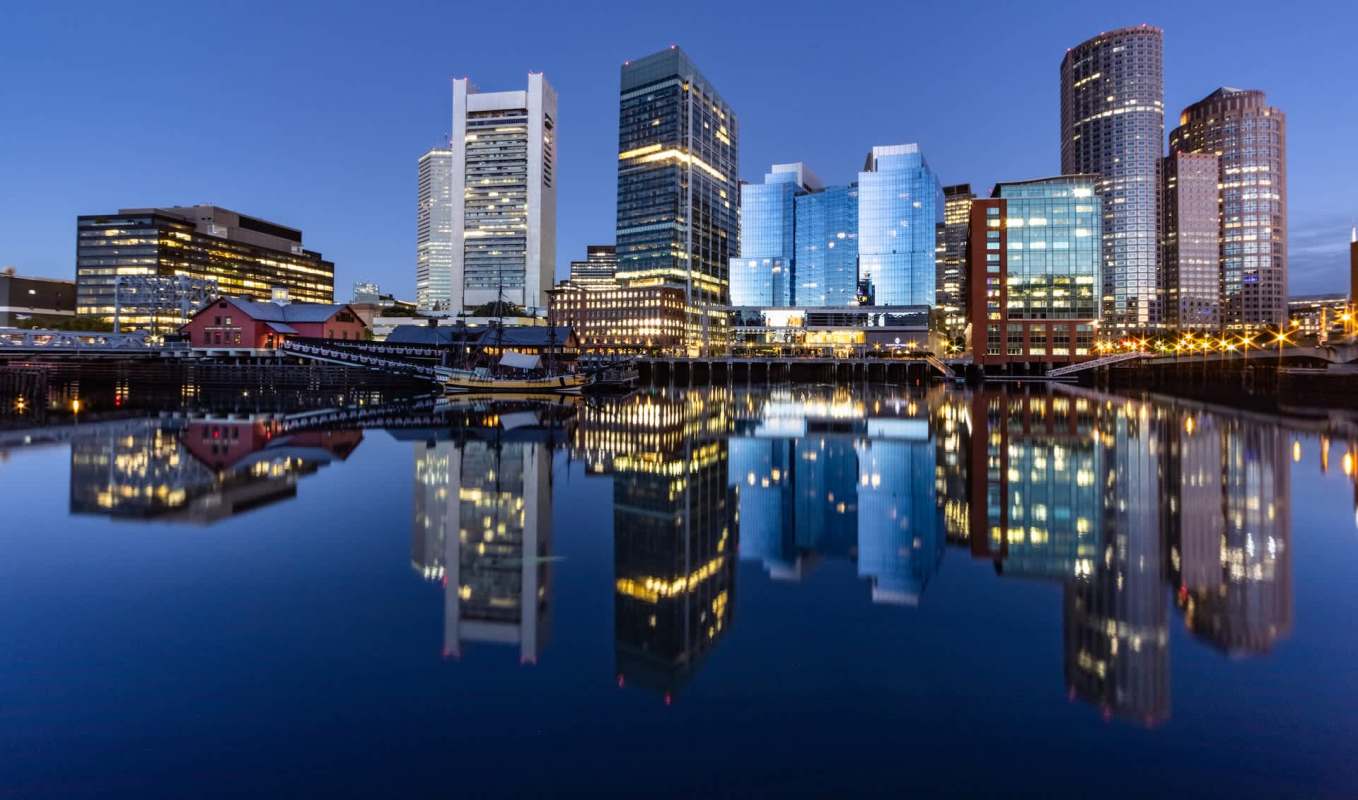
The Boston Seaport is a bustling area of restaurants, beer gardens, swanky condos, and law firms that bring in a lot of money for the city, but that could all disappear.
According to The Boston Globe, rising sea levels are threatening to flood the area.
What's happening?
While the Seaport only consists of 4% of the land in Boston, it brings in 10% of the property tax revenue — $343 million.
The Seaport didn't always look how it does today. When the city was almost bankrupt in the 1980s, this part of town was filled with old warehouses and mud-filled parking lots that developers wanted to build on. While the prospects were good, there was a concern that the area was barely above sea level.
Unfortunately, "99% of what's been built in the Seaport in the last quarter-century is at risk of flooding by 2050, according to a recent analysis from the Metropolitan Area Planning Council," per the Globe.
"Everyone knew that there was a risk in developing that area," civic leader Ted Landsmark said.
TCD Picks » Quince Spotlight
💡These best-sellers from Quince deliver affordable, sustainable luxury for all




Why are rising sea levels concerning?
While most of these buildings were built to withstand flooding, that won't stop the streets and tunnels connecting the Seaport to the rest of Boston from being flooded, especially as severe storms become more frequent and severe. If those restaurants and condos are cut off from the rest of the city, it will lower property values and property tax revenue will decrease, taking away the benefits that money brings to the city.
While extreme weather events, including heavy rains, have always happened, rising global temperatures are intensifying them, which can lead to more severe flooding.
Rising sea levels aren't an isolated issue. According to the American Meteorological Society's annual State of the Climate report, 2023 marked the highest sea levels on record. Sea levels had risen 12 years in a row and were 4 inches higher than they were 30 years previously.
That year was also the hottest on record — until 2024. As temperatures continue to rise, ice sheets will continue to melt, and sea levels will continue to rise.
|
Would you feel safe living close to a nuclear power plant? Click your choice to see results and speak your mind. |
 Absolutely ✅
 The cause is society's reliance on dirty energy sources that produce polluting gases that warm the planet. Companies, governments, and people must reduce their dependence on these sources to lessen the effects on the world.
What's being done about rising sea levels?
While developers in the 1980s saw what is now the Seaport as ripe for the picking and a lifeline for the city, thinking the risks were far in the future, things are much different today. For example, Dutch architect Koen Olthuis is designing floating buildings to help cities become resilient.
Such innovative solutions only come about when people take critical climate issues seriously and work to mitigate the consequences of rising temperatures.

Join our free newsletter for good news and useful tips, and don't miss this cool list of easy ways to help yourself while helping the planet.







