


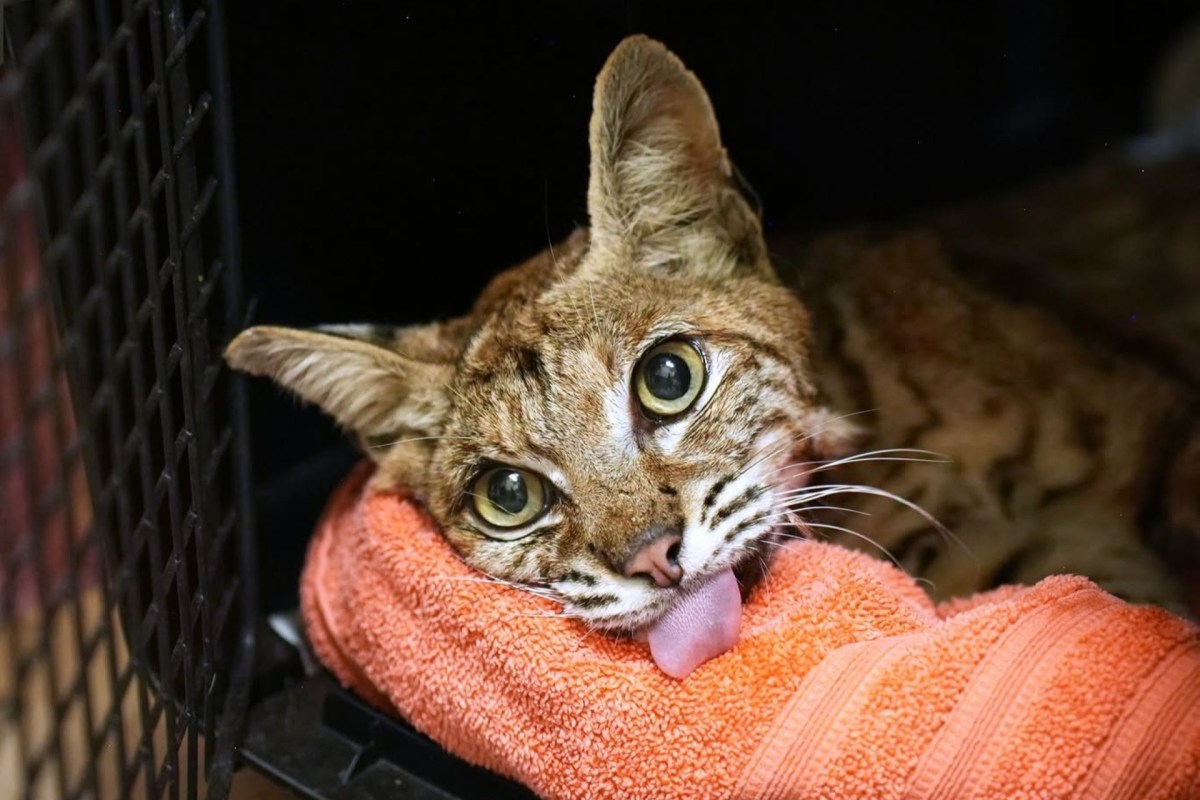
A Southern California bobcat that arrived at the San Diego Humane Society's Ramona Wildlife Center with burned paws, kidney injury, and severe weight loss after the Pipeline Fire is back in the hills after 65 days of treatment.
The animal was returned to the wild near Camp Pendleton in a rare second chance for a local predator that helps keep ecosystems in balance, according to KNSD.
Here's what to know
The Pipeline Fire began at Camp Pendleton on July 6.
The bobcat was brought to the San Diego Humane Society's Ramona Wildlife Center on July 28 with trauma and burn injuries linked to that blaze.
As KNSD reported, veterinarians documented first- to third-degree burns on all four paw pads, along with acute kidney injury, severe emaciation, and a heavy tick infestation.
He weighed only 7.5 pounds, and the San Diego Humane Society acknowledged a guarded prognosis.
TCD Picks » Quince Spotlight
💡These best-sellers from Quince deliver affordable, sustainable luxury for all




By Sept. 30, when he was released, he weighed more than 15 pounds — more than twice his intake weight.
"Our team was committed to ensuring this bobcat could heal and return home to the wild," said Autumn Welch, wildlife operations manager at the San Diego Humane Society's Ramona Wildlife Center.
"Bobcats play a vital role in our local ecosystems by helping maintain balance and keeping rodent and small mammal populations in check."
More background
Burns on paw pads can be especially dangerous for wild animals, since mobility is essential for hunting, escaping threats, and avoiding prolonged contact with damaged terrain.
The bobcat's lab values returned to normal, the anemia resolved, and his paw pads healed completely.
His rehabilitation also required a careful balance: helping him recover without making him too comfortable around people.
Staff transferred him to a specialized indoor-outdoor enclosure and used remote cameras to follow his mobility, gait, and weight gain.
A predator that heals while retaining its wild instincts has a better chance of surviving after release, making wildlife rehabilitation resources more effective for future fire-related rescues.
What's being done?
The San Diego Humane Society's Project Wildlife program at the Ramona Wildlife Center oversaw the bobcat's recovery, where veterinarians used an intensive plan tailored to his mix of injuries.
His treatment included fluids, nutritional support, pain control, wound debridement, and topical care for the burns.
The team repeatedly applied Phovia light therapy to his paw pads to encourage cellular regeneration and healthy granulation tissue.
The focus subsequently shifted from emergency medicine to readiness for release.
By limiting human contact and relying on remote monitoring, staff could judge whether he was moving naturally and rebuilding enough strength to live in the wild.
The release itself also required coordination beyond the wildlife center.
Near where they first found him, the Project Wildlife team released the bobcat on Sept. 30 alongside Camp Pendleton personnel.
"Watching a predator with injuries this severe fight his way back, regain his strength and run back into his native habitat makes every single hour of care worthwhile," Welch reflected.
Where can I learn more?
Wildfires leave lasting damage for animals and the people trying to help them. The articles below cover wildlife rescue in California, behavior changes after fires, and a determined effort to rescue wildlife from active fires.
• In California, a wildlife care center rescued dozens of bird eggs from wildfire zones.
• In California's Borel Fire burn area, animals showed striking behavior changes after wildfires.
• In Los Angeles fire zones, rescuer Jessica Davis kept entering to save animals.

Get TCD's free newsletters for easy tips, smart advice, and a chance to earn $5,000 toward home upgrades. To see more stories like this one, change your Google preferences here.







