


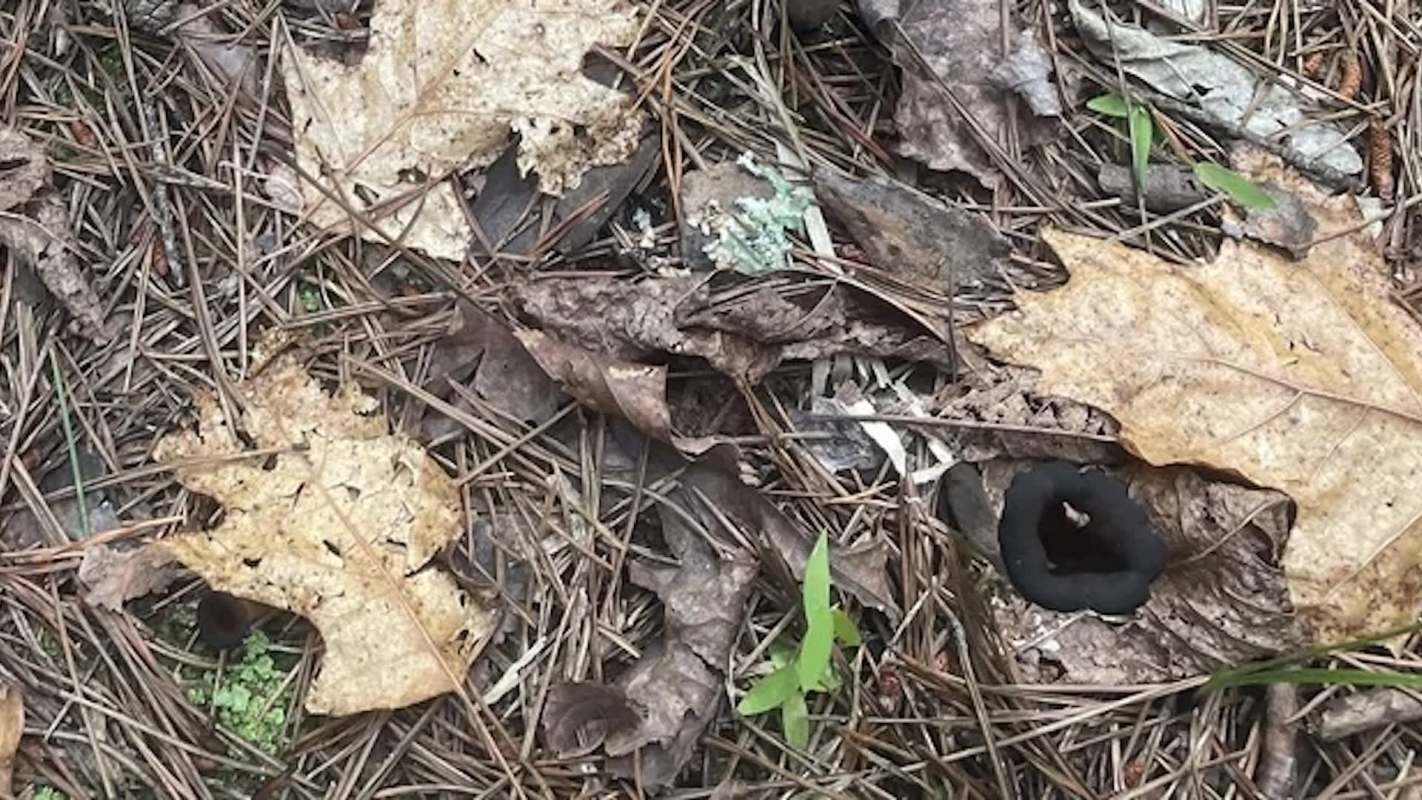
A Reddit post showing off a haul of black trumpet mushrooms touched on a familiar argument in foraging circles: when you harvest wild mushrooms, is it better to cut them at the base or pull them out whole?
What's happening?
In a post shared to r/foraging on Reddit, the original poster wrote, "I found some really beautiful black trumpets yesterday which brought up a question. When harvesting ground mushrooms like these do you cut or pull? I've read into it and couldn't find a strong argument either way so would love your input! Enjoy a picture of these beauties!"
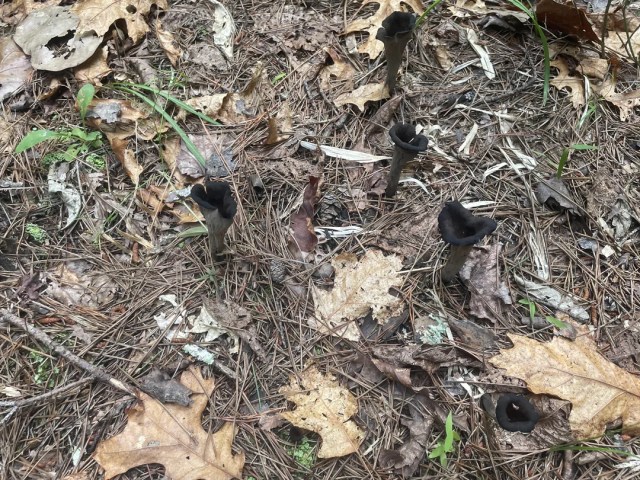
One commenter replied with their two cents on the matter, saying, "Pulling is not a problem for the mycelium and gives you a higher yield + conserves identification characteristics. These I cut tho, simply because they're really annoying to pull due to the flesh consistency."
Another commenter likewise suggested there may not be one perfect answer: "The pull versus cut thing probably matters less than people think, but pulling gives you the whole specimen to ID later if needed. Black trumpets are forgiving enough that either way works, though I'd lean toward cutting just because they're so delicate."
Taken together, the replies suggested that the best harvesting method depends on the particular mushroom you are handling.
Why does it matter?
Foragers see this as more than a question of what ends up in the basket. It also involves protecting the patch, keeping useful identification traits intact, and limiting damage to delicate mushrooms.
TCD Picks » Quince Spotlight
💡These best-sellers from Quince deliver affordable, sustainable luxury for all




Being sure of what you picked is a core part of eating wild foods.
Some mushrooms are dangerous to eat. But having the entire mushroom could make identification easier later, while trimming at the base can be the more practical choice for fragile species such as black trumpets.
More broadly, the exchange reflects growing interest in getting food more directly. Whether someone is foraging, growing herbs on a patio, or tending a backyard garden, producing some of one's own food can cut produce costs, deliver fresher and better-tasting ingredients, and support mental and physical health by getting people outdoors and more connected to what they eat.
What can I do?
If mushroom foraging interests you, start carefully. Learn from experienced local foragers, rely on trustworthy field guides, and never eat anything unless you can identify it with confidence.
When choosing between cutting and pulling, consider how delicate the mushroom is, whether you need the entire specimen for identification, and how much disturbance your harvest causes.
Careful, light harvesting matters too. Leaving some mushrooms in place can support future growth and give wildlife and other people a chance to benefit as well.

Get TCD's free newsletters for easy tips, smart advice, and a chance to earn $5,000 toward home upgrades. To see more stories like this one, change your Google preferences here.







