


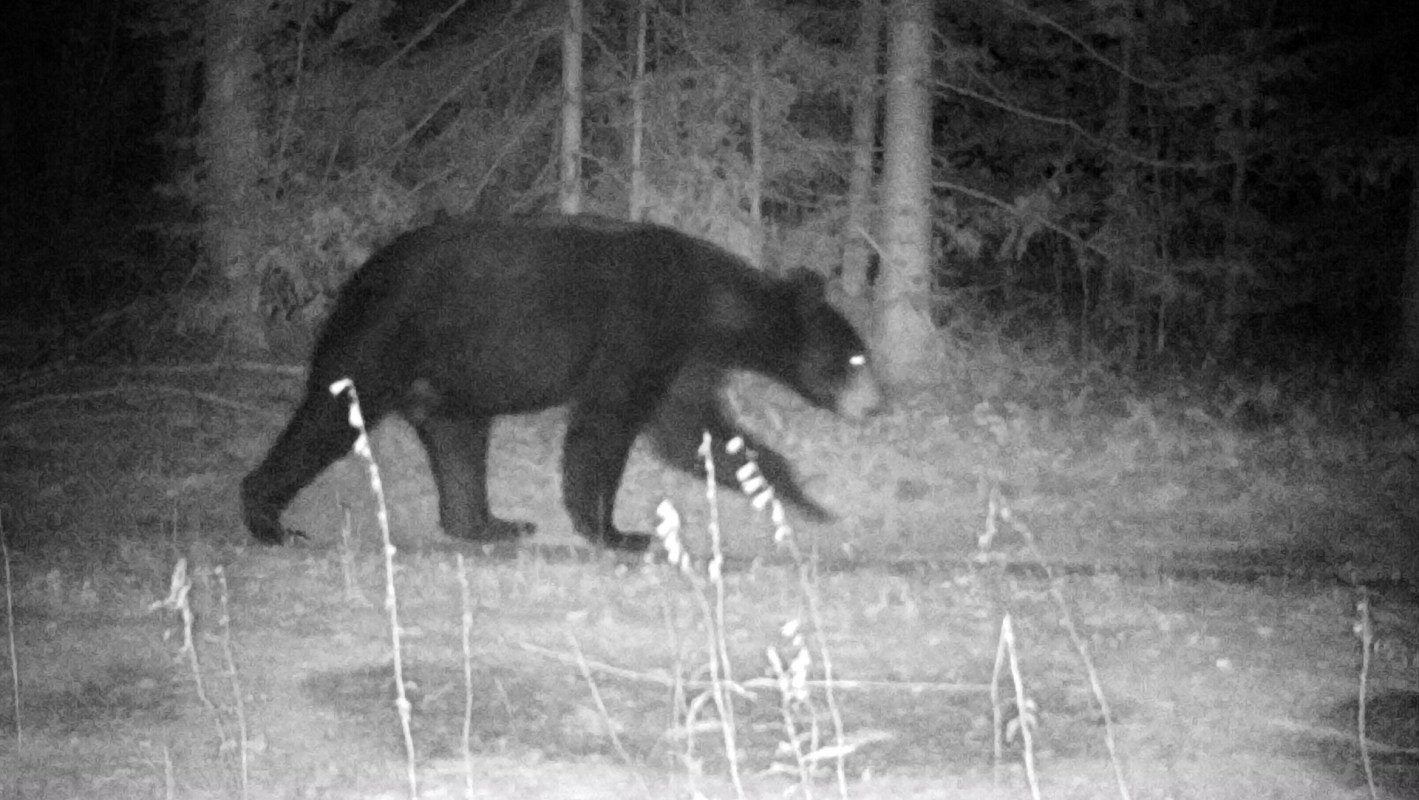
An overnight visit by a black bear at a Lexington, Kentucky home went unnoticed until a security camera picked it up, ending more than two decades in which the homeowner had never seen a bear near her house.
What happened?
Fayette County resident Janel DeBoer discovered the visitor Monday morning when she checked alerts from her home camera.
As LEX 18 reported, the footage showed a black bear roaming her yard, something she had never seen in the 22 years she had lived there. LEX 18 later shared the security camera footage of the animal.
"As soon as I get up, I always check my phone, of course, and I had noticed that the Blink [security camera] was going off in the night, so I pulled it up," DeBoer told the outlet.
The animal was shown passing by her garden without getting into her tomatoes. DeBoer instead suspected it was responsible for a nearby trash can being pushed over.
"I think he emptied my neighbor's garbage can all over the driveway," she told LEX 18.
TCD Picks » Quince Spotlight
💡These best-sellers from Quince deliver affordable, sustainable luxury for all




Kentucky state bear coordinator John Hast explained to the outlet that Fayette County residents are seeing black bears more often (grizzlies do not live in Kentucky).
He believes this one could be the same bear reported at Masterson Station and described it as likely a young male driven off by older bears during mating season and now looking for food and territory.
Why does it matter?
Wild animals are showing up more often in human-dominated spaces as development expands and attractants such as unsecured trash draw them in.
That does not necessarily mean the bears are becoming aggressive. Black bears are generally timid and afraid of people. Yet, any encounters can affect daily routines, from when people let pets outside to how households handle food waste and secure their property.
Human behavior is often part of the issue. As communities expand into wildlife habitat and leave behind attractants such as garbage, birdseed, and pet food, animals have more reasons to wander near homes.
Research covered by the BBC has examined how many human-wildlife conflicts are shaped not only by animal behavior but also by the ways people alter landscapes and food access.

Get TCD's free newsletters for easy tips, smart advice, and a chance to earn $5,000 toward home upgrades. To see more stories like this one, change your Google preferences here.







