


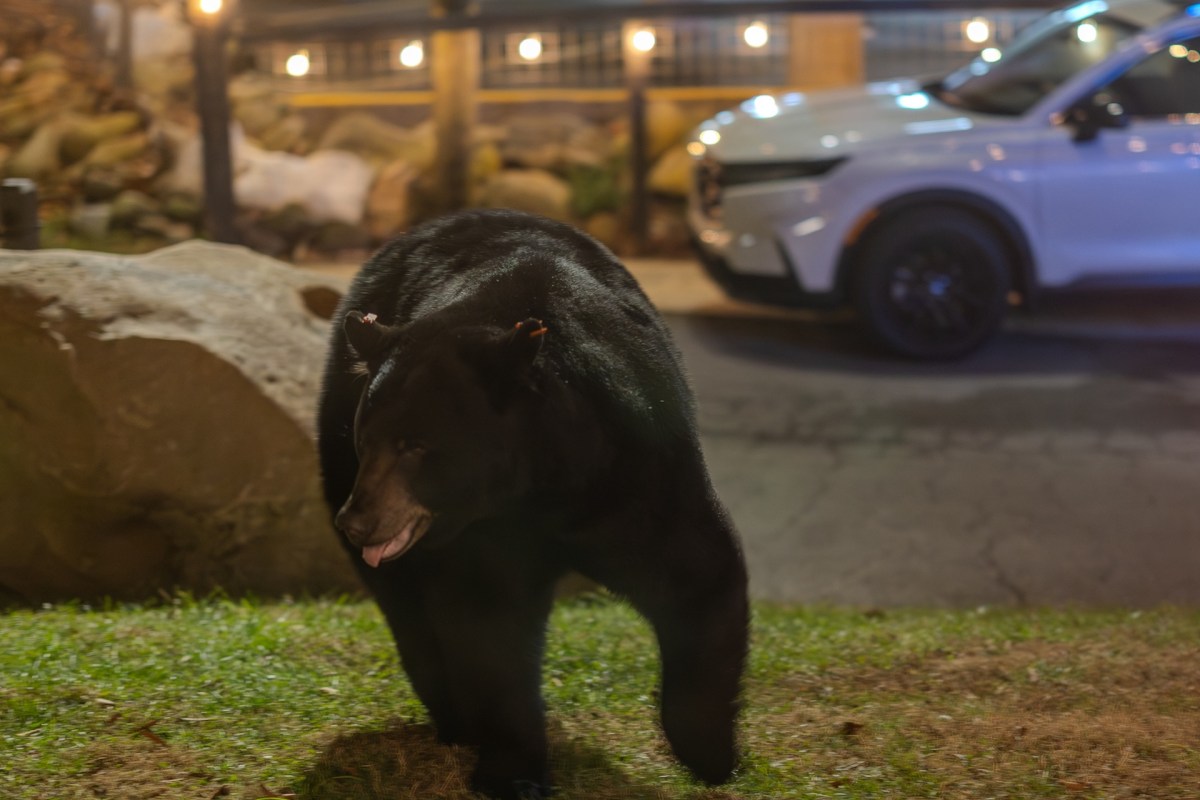
More than a dozen people rushed for safety in a Tennessee parking lot last week when a black bear cut through the area, while a few onlookers lingered long enough to try for photos.
The near-miss happened in Gatlinburg on July 18, as the Knoxville News-Sentinel reported.
What happened?
Footage of the incident shows the bear moving quickly through a packed parking lot as nearby people looked on in shock. No one was attacked, but some bystanders waited before getting into their vehicles so they could record the animal on their phones.
For Gatlinburg, that kind of scene is not especially rare. The town sits next to Great Smoky Mountains National Park, where black bears are regularly seen, and encounters with people become a familiar part of busy travel periods.
National Park Service data show the park averages about 339 negative bear encounters a year over the past decade, and officials say the true number is likely higher because some incidents are never reported. The park also has an estimated 1,900 American black bears, or about two bears per square mile.
People often underestimate how quickly a wild animal can move, especially in tourist-heavy areas where bears have become a familiar attraction.
TCD Picks » Quince Spotlight
💡These best-sellers from Quince deliver affordable, sustainable luxury for all




Why does it matter?
Close-range encounters like this are dangerous. A startled bear can injure people in seconds, even if it is not actively trying to attack. Packed parking lots, distracted visitors, and vehicles create the kind of confusion that can quickly escalate a wildlife encounter.
Bears are more likely to spend time near roads, parking areas, and buildings when people crowd them, leave behind food, or treat sightings as photo opportunities rather than warning signs. As BBC Future has explained, many wildlife conflicts are shaped by human behavior, including habitat overlap and the ways animals become used to people.
When wild animals learn that human spaces may offer food or easy paths of movement, they can become bolder. In many cases, that leads to more aggressive management, relocation, or euthanasia after repeated conflicts.
What can I do?
In places with frequent bear activity, the National Park Service says visitors are safest if they stay inside their vehicles whenever possible and avoid doing anything that brings a bear closer.
The agency also advises people not to feed bears, to use designated pull-off spots for parking, and to keep bears away from their vehicles. Those rules are meant to keep bears from associating humans with food, slowing traffic, or easy access.
Resist the urge to stop for a better photo. A few extra seconds spent filming or watching can narrow the distance between you and a fast-moving wild animal.
The July 18 video also captured someone filming from above warning the crowd, though not everyone reacted right away: "Oh no! Oh no! Oh my God! Get in your car!" they yelled to those in danger.

Get TCD's free newsletters for easy tips, smart advice, and a chance to earn $5,000 toward home upgrades. To see more stories like this one, change your Google preferences here.







