


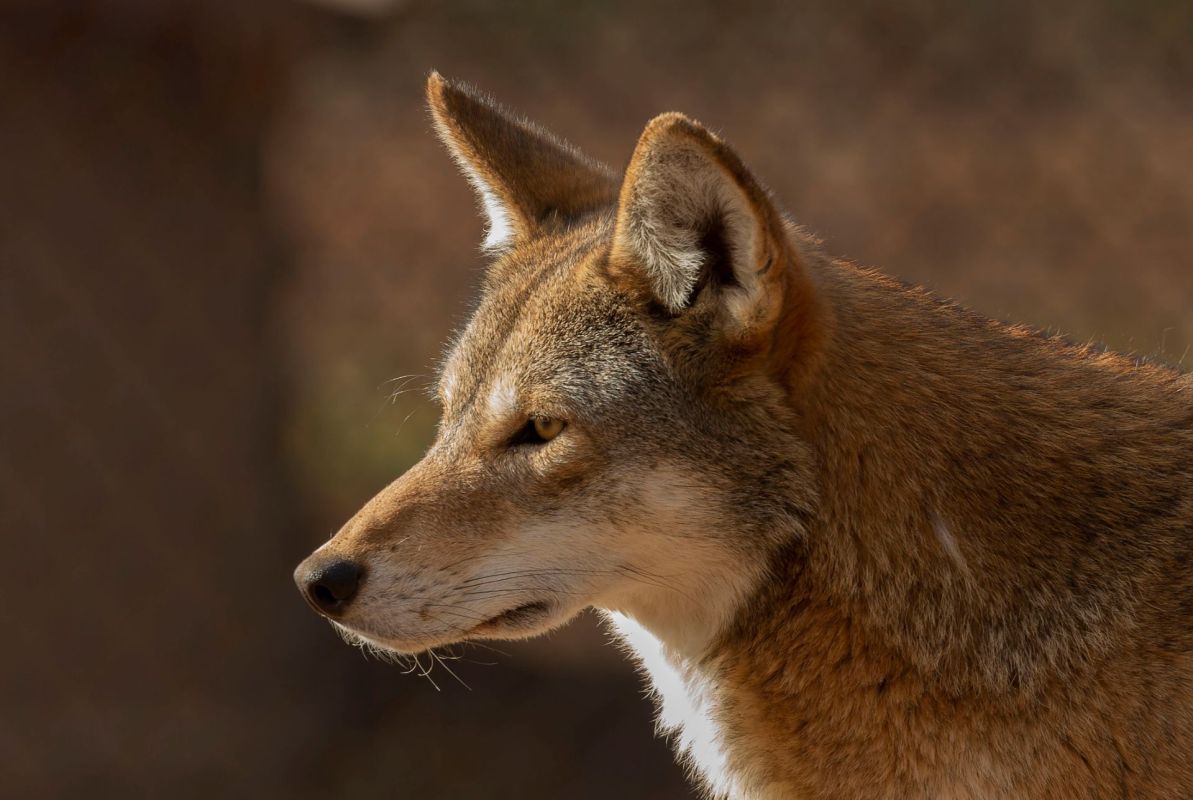
One of North America's rarest predators might have been resurrected from extinction.
Colossal Biosciences, the company best known for its "de-extinction" work on the woolly mammoth, is now focusing on red wolf cloning efforts with conservationists, according to MIT Technology Review.
Last year, it claimed to have cloned four red wolves.
The red wolf is an apex predator that once roamed habitats like forests, grasslands, and marshes from everywhere between Texas and New York. It was smaller than a gray fox but larger than a coyote and had a long body and long legs, according to earlier field guides.
Its coat came in many colors, including a reddish tone and, despite the name, white, gray, and even all black.
Before they became extinct, red wolves outcompeted coyotes. Eventually, red wolves and coyotes began mating, and after several generations of intermixing, there were no offspring that were "purely" wolf, MIT Technology Review explains.
TCD Picks » Quince Spotlight
💡These best-sellers from Quince deliver affordable, sustainable luxury for all




In 1980, the red wolf was officially declared extinct in the wild. Only 14 individuals were spared from this extinction, and they laid the genetic blueprint for the roughly 280 red wolves alive in captivity today. There are fewer than 30 red wolves in the wild currently.
The "de-extinction" effort could give recovery programs an important new tool at a moment when every genetically valuable animal counts.
Colossal's approach uses CRISPR technology and stored red wolf genetic material to produce clones that may later be added to existing recovery efforts.
When a population becomes too small, inbreeding poses a serious risk. Cloning from older preserved lines could help restore genetic diversity that has been lost over time, giving conservationists more options as they work to rebuild the population.
Predators like red wolves help maintain balance in ecosystems by regulating prey populations and supporting healthier landscapes overall.
Stronger ecosystems can mean more resilient forests and wetlands, greater biodiversity, and more stable natural systems that nearby communities rely on.
Conservation efforts can also create jobs, support research and education, and foster local pride in protecting native species.
Critics of high-profile biotech projects have long argued that cloning and de-extinction-style research should not draw money or attention away from habitat protection, community engagement, and the slower, ongoing work of helping endangered animals survive in the wild.
That concern is valid. Cloning on its own will not save the red wolf if protected habitat, public support, and long-term investment in recovery are not part of the picture as well.
Still, supporters see the project as a rare piece of hopeful news in a story that has often felt like a countdown to disappearance. If used responsibly, cloning could become another tool in the conservation toolbox; one that helps buy time, restore lost genetics, and keep an iconic species from disappearing for good.

Get TCD's free newsletters for easy tips, smart advice, and a chance to earn $5,000 toward home upgrades. To see more stories like this one, change your Google preferences here.







