


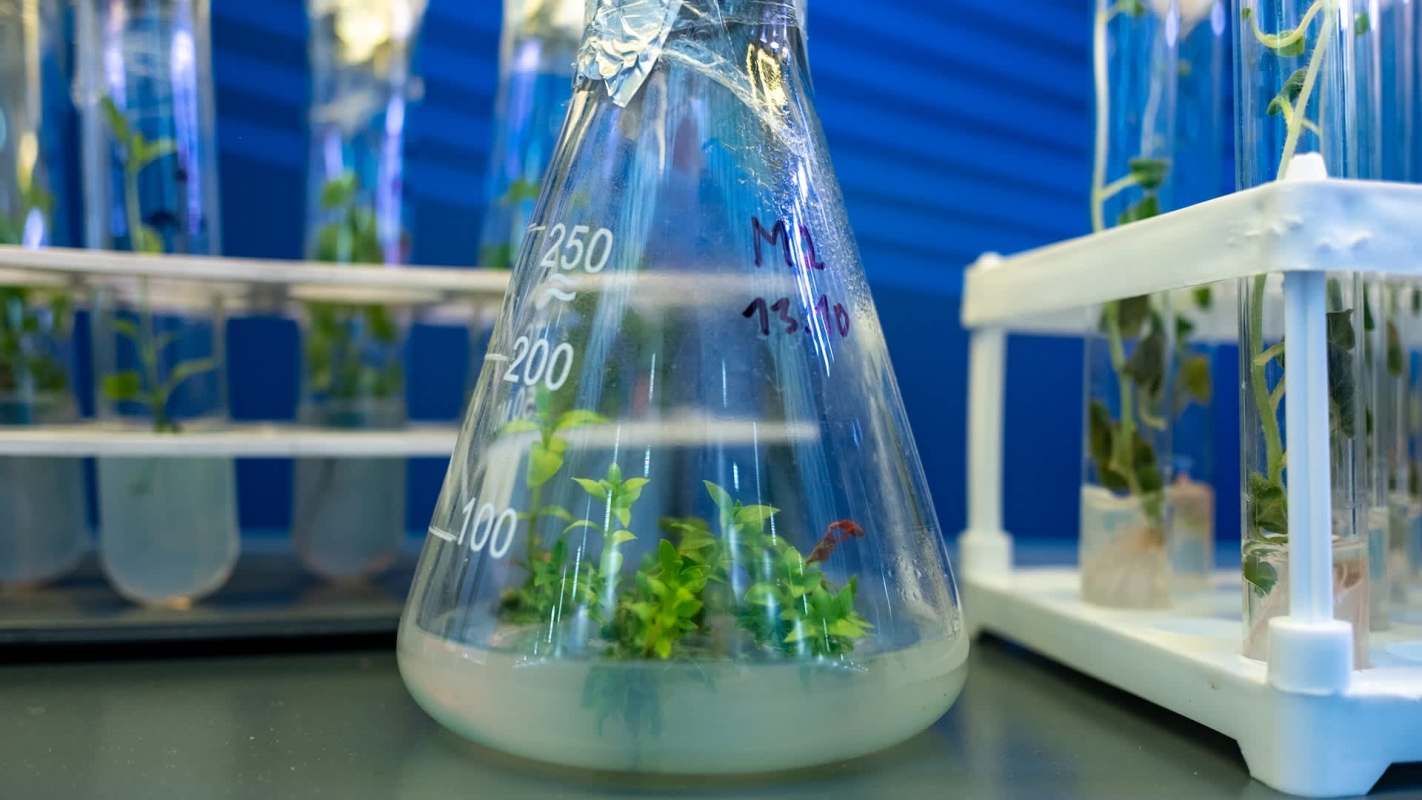
Australia's threatened species are getting a helping hand from science, with support ranging from frozen cells and seed banks to lab-grown kelp cultures. Across the country, scientists are building "living libraries" that attempt to preserve everything from native plant seeds to animal genetic material.
According to The Guardian, which called them "insurance policies against species extinction," these libraries, or biobanks, are emerging as an important tool in the fight against biodiversity loss, giving researchers a way to preserve at-risk species while they also study how to restore damaged ecosystems.
The work is becoming increasingly urgent as heat waves, pollution, habitat destruction, and other human-driven pressures push more animal and plant life toward collapse.
At Deakin University's Queenscliff Marine Science Centre in Victoria, researchers are banking golden kelp, flat oysters, and seagrass, species that support entire coastal food webs.
Initial biobanks for golden kelp were established after ocean heat waves triggered severe die-offs of this foundational species along Australia's Great Southern Reef. The kelp provides critical habitat and food for many species, most of which are found nowhere else on Earth.
The goal of these biobanks is not just preservation but restoration. Scientists are already drawing from these collections to reintroduce species to reefs, bays, and shorelines where they have largely disappeared.
TCD Picks » Quince Spotlight
💡These best-sellers from Quince deliver affordable, sustainable luxury for all




According to Prue Francis, an associate professor who is responsible for the bubbling beakers bathed in red light that grow golden kelp, restoration of these vital species is a global issue.
"Restoration has become quite an urgent need for not just our coastline but for coastlines all across Australia and the world," Francis told The Guardian.
Francis' lab-grown kelp has already been used in real-world restoration projects. In one effort in Port Phillip Bay, golden kelp is being reestablished after it was heavily depleted by overgrazing from purple sea urchins.
Francis recently received photos of the successfully reintroduced kelp from restoration partners.
"They just look absolutely fantastic," Francis told The Guardian. "Some of those kelp have gone beyond 30 centimeters in length and are showing reproductive signs as well."
For coastal communities, restoration of keystone species can mean healthier fisheries, stronger local ecosystems, and shorelines that are more resilient to climate stress.
In another area of Deakin's living library, researchers are working to better understand the genetic diversity of flat oysters, of which less than 1% of Australia's historical populations remain.
"Having these oysters here means that we can look for different experiments to better understand how we can restore them," Kathy Overton told The Guardian. "In the long term, it'd be really fantastic to be able to build on this."
The Queenscliff center is one of many similar programs to study and restore at-risk species around the country.
Another program through the Australian National Botanic Gardens stores various plant seeds in a minus-20 degrees Celsius (minus-4 degrees Fahrenheit) vault. So far, it has collected specimens from places including the Australian Capital Territory, the Australian Alps, Uluru, Kakadu, and several islands.
Meanwhile, the Melbourne Museum holds cryogenically frozen living cells from Australian wildlife, including tissue samples from mammals and reptiles, in tubes kept at minus-196 C (minus-320 F).
Marine ecologist Laney Callahan, who runs a seagrass experiment at the Queenscliff lab, noted that large-scale restoration remains a global challenge, particularly for vulnerable species such as seagrass.
"There's a handful of successful projects that have achieved restoration at a scale that's ecologically relevant but very few. And that's something that we're all working towards together," Callahan said.

Get TCD's free newsletters for easy tips, smart advice, and a chance to earn $5,000 toward home upgrades. To see more stories like this one, change your Google preferences here.







