


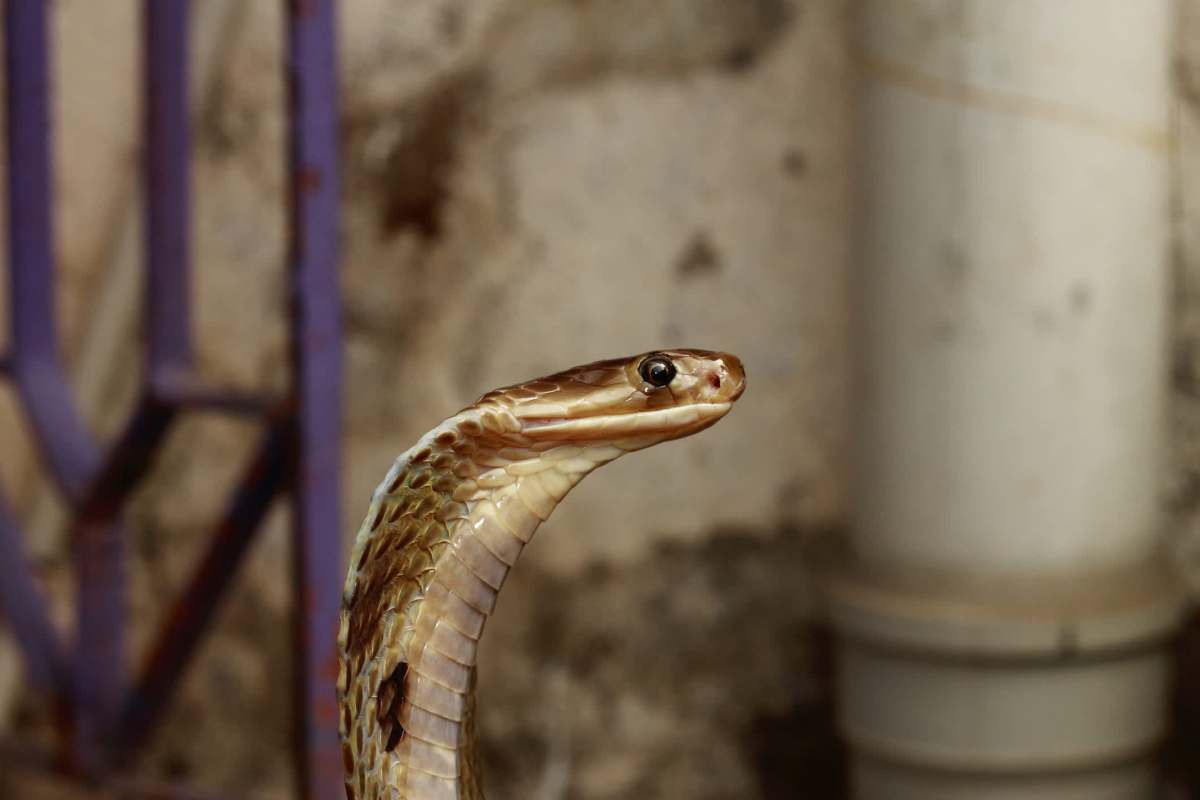
In India's Bihar state, a cobra rescue left a prominent snake handler recovering from a bite, a reminder of how perilous wildlife emergencies can become during monsoon season.
The incident also points to a growing reality in many flood-prone regions: When rising water pushes animals out of their usual habitats, they often end up in close quarters with people.
What happened?
After a large cobra entered the home of a resident identified as Munnilal in Vishaha village near Valmikinagar, his family ran outside, and neighbors gathered, according to The Free Press Journal. The report said Janaki Devi, a snake rescuer from West Champaran district known locally as "Sarp Mitra," responded to the scene.
Before taking the snake for release near the Valmikinagar forest, Devi reportedly controlled the roughly 10-foot-long cobra by gripping its hood and draping the rest of its body around her neck.
While that rescue went off without a hitch, a later rescue ended with Devi being bitten by another giant cobra.
She is now undergoing treatment at a snakebite treatment center in Triveni, Nepal, after the cobra reportedly turned aggressive during the rescue and bit her, prompting locals to take her there.
TCD Picks » Quince Spotlight
💡These best-sellers from Quince deliver affordable, sustainable luxury for all




Across the region, Devi is well known for having reportedly carried out nearly 2,000 snake rescues over the years.
Why does it matter?
According to The Free Press Journal, the Forest Department said heavy rain, rising river levels, and waterlogging across Bihar and Nepal are driving snakes into residential areas as they look for shelter. That can mean more encounters inside homes, where people may panic, and snakes may feel trapped.
Human activity can also play a role in these incidents. Expanding settlement patterns, altered drainage, and construction in or near wildlife habitat can leave fewer safe places for animals to go during extreme weather. Many wild-animal attacks happen when animals are stressed, trapped, or suddenly forced into human spaces, according to a BBC report
What can I do?
For people living in snake-prone regions, especially during the rainy season, the safest move is to keep your distance and call trained rescuers or local forest officials rather than trying to handle a snake yourself.
Experts generally advise keeping children and pets away, avoiding tall grass or cluttered corners around the home, and using a flashlight when walking outdoors at night. Sealing obvious entry points and clearing piles of debris can also make homes less attractive as temporary shelter.
If someone is bitten, urgent medical care is critical. Avoid trying to suck out venom, cutting the wound, or relying on home remedies, as those steps can waste precious time.
Even for someone with years of experience and thousands of rescues behind her, a single rescue can turn life-threatening in an instant.

Get TCD's free newsletters for easy tips, smart advice, and a chance to earn $5,000 toward home upgrades. To see more stories like this one, change your Google preferences here.







