


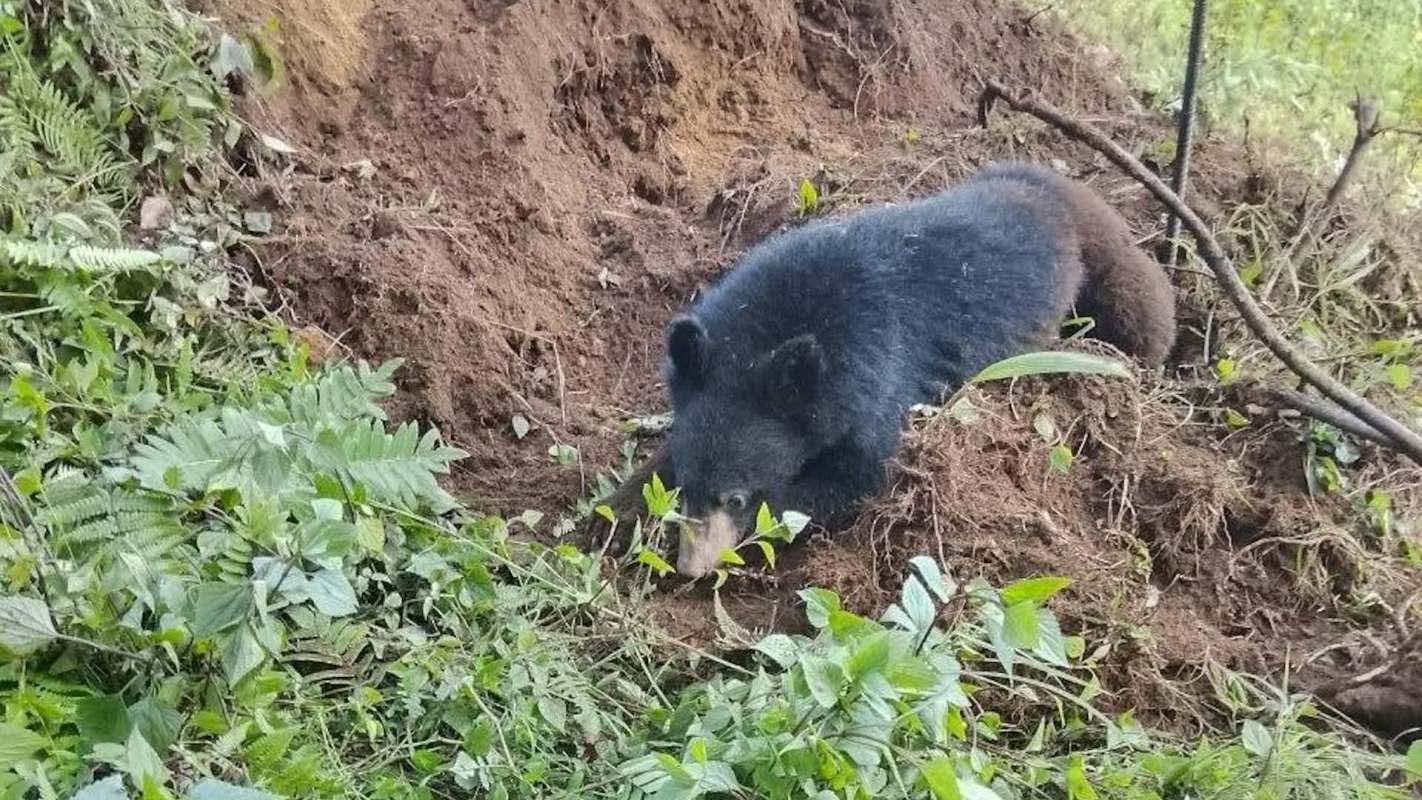
A routine walk near home turned into a life-saving wildlife rescue in Bhutan after a resident spotted what looked like a "fluffy" black animal collapsed in a pile of dirt.
According to The Dodo, a closer look revealed that the animal was an Asiatic black bear caught in a wire snare.
What happened?
The incident took place in Bhutan's Bumdeling Wildlife Sanctuary, where the bear was stuck and unable to free itself from the snare.
Asiatic black bears are native to the region, and while they are powerful animals, wire traps can leave even large wildlife defenseless.
A rescue team was then sent out to help. The Dodo reported that the group included caretaker Dorji Wangchuk, driver Sonam Gyeltshen, forest ranger Jaimo, and forestry officer Pema Norbu. The team initially began by evaluating the bear from a distance.
The rescuers chose sedation as the safest way to handle the situation. After the bear was tranquilized and put under anesthesia, the team removed the snare.
TCD Picks » Quince Spotlight
💡These best-sellers from Quince deliver affordable, sustainable luxury for all




Thankfully, the bear's injuries were not severe. After he had fully regained consciousness and could move on his own again, the team led him back into the wild away from human settlements.
The Bumdeling Wildlife Sanctuary later shared images of the bear and the rescue operation on Facebook.
The sanctuary wrote, "This successful rescue highlights the importance of timely reporting and collaborative efforts in wildlife conservation. … Together, let us continue to conserve and protect our precious wildlife for future generations."
Why does it matter?
Wire snares are cruel and indiscriminate. They do not just threaten one species or one isolated corner of the forest. They can injure any animal unlucky enough to cross their path, often causing pain, infection, or death if help does not arrive.
Protecting wildlife also helps safeguard the health of the ecosystems that surrounding communities rely on. Native animals also play important roles in keeping natural areas functioning, and thriving forests can support cleaner water, biodiversity, and more resilient landscapes.

Get TCD's free newsletters for easy tips, smart advice, and a chance to earn $5,000 toward home upgrades. To see more stories like this one, change your Google preferences here.







