


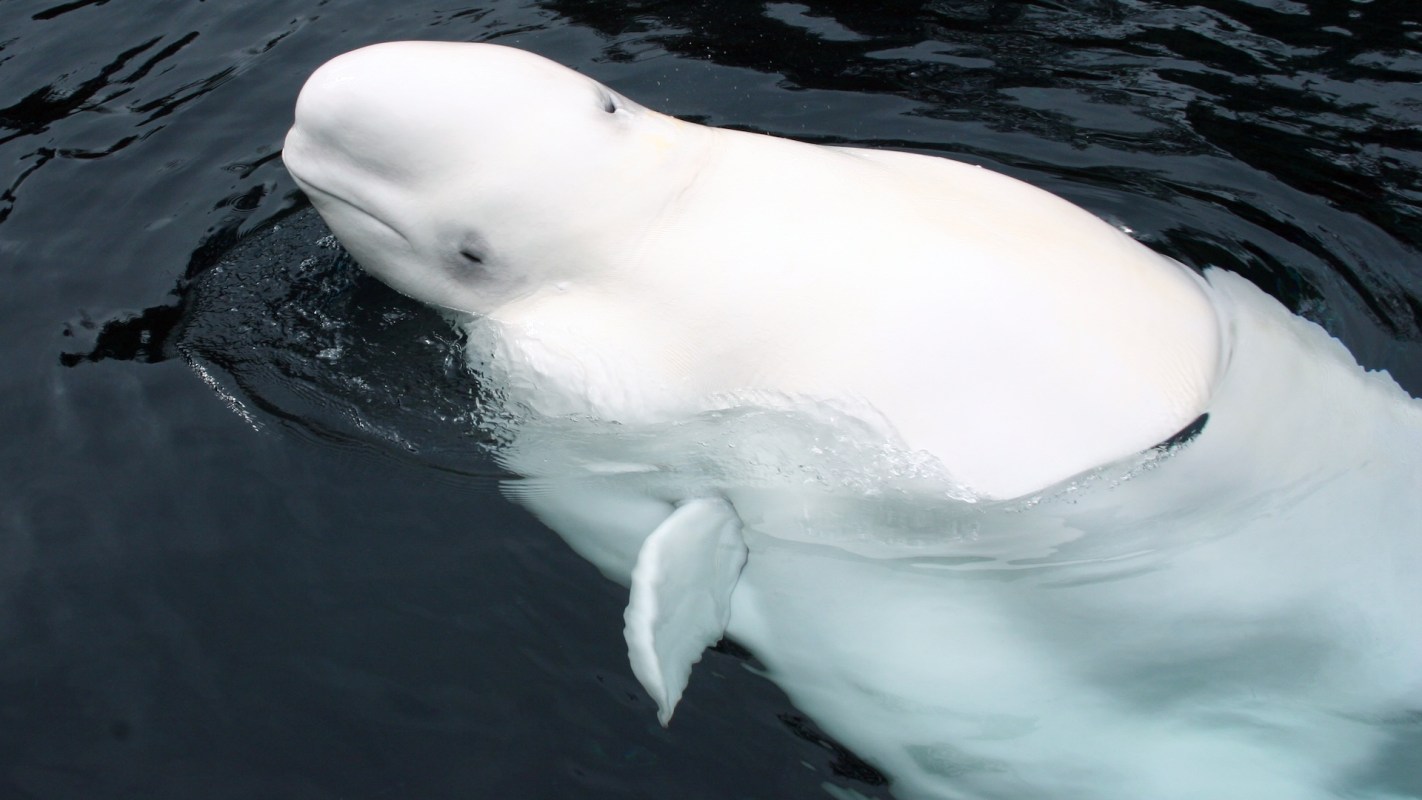
Cook Inlet beluga whales are once again showing how difficult it can be for wildlife to survive in busy industrial waters.
A new study decoding the calls of these Alaska whales found that some of the sounds most important to their daily lives — including calls used when calves are present — can be drowned out by human noise.
What's happening?
According to an article from Phys.org, University of Washington researchers published a new study in Behavioral Ecology and Sociobiology that documented more than 1,700 beluga vocalizations spanning 21 observed behavioral encounters in Cook Inlet. The researchers wanted to better understand what the whales are communicating to one another — and what may be getting lost in the noise.
That question is especially important because a 2023 study had already found that commercial shipping noise in the region masks common beluga calls. Until now, though, scientists did not know what many of those calls were used for.
"We knew that human-generated noise was masking their calls, but we didn't know what those calls were used for," UW doctoral student Arial Brewer said in the Phys.org report. "This study gave us important insights into the world of beluga communication and how it is disrupted by industry and development."
Scientists discovered the whales appear to use a distinctive call, called a "combined call," in situations involving calves. That type of call was also one of the calls that were drowned out by shipping noise in the area.
TCD Picks » Quince Spotlight
💡These best-sellers from Quince deliver affordable, sustainable luxury for all




"We don't have the data to directly connect noise and calf separation, but if a mother whale can't acoustically keep in contact with her calf, that could be a huge problem," Brewer said.
Belugas became more vocal just before the group made a behavioral shift such as transitioning from socializing to traveling.
Why is this concerning?
For belugas, sound is not simply background noise — it is central to survival. In Cook Inlet's murky, silty waters, where powerful tides and glacial runoff limit visibility, whales rely heavily on vocal communication and echolocation to stay together, find food, and avoid danger.
That means noise pollution can disrupt some of the most basic tasks of life, especially for young whales. If mothers and calves struggle to stay in contact, the chances of recovery for this already vulnerable population could become even slimmer.
The issue also goes beyond a single species. Cook Inlet sits near Anchorage and alongside major human infrastructure, including the Port of Alaska, the airport, and a military base. The area is a year-round habitat for belugas and an important feeding ground for salmon, so the challenges facing these whales reflect a broader problem for coastal communities: how to keep commerce moving without overwhelming the ecosystems people and wildlife both rely on.
When endangered animals can no longer function normally in their own habitat because of rising industrial noise, it can signal that development is outpacing conservation. That slows progress toward a healthier future for everyone — not just whales — because thriving coastal waters support fisheries, local economies, and community resilience.
What's being done about belugas?
The new research is part of that effort. By identifying when and why belugas use different calls, scientists can give decision-makers better tools to protect the whales during the moments that matter most.
Brewer said the Port of Alaska could consider strategies similar to those used in other whale habitats. One example from Puget Sound involves asking large vessels to reduce speed when endangered Southern Resident killer whales are nearby, while smaller boats must keep their distance and slow down within half a mile.
"We can't halt shipping, but we're trying to understand what we can do to manage these critical habitats, especially when the animals are nearby," Brewer said.
Possible options could include vessel slowdowns, adjusted shipping practices in key habitat areas, or targeted protections during times when whales are most likely to be present.
For the public, supporting marine conservation groups, stronger habitat protections, and science-based shipping rules can help move those efforts forward. Paying attention to how ports, shipping corridors, and industrial projects affect nearby wildlife also matters, especially as more communities look for ways to balance economic activity with the health of the natural systems around them.
Cook Inlet belugas have survived in Alaska's extreme waters for roughly 10,000 years. The question now is whether people will make enough room — and enough quiet — for them to keep doing so.

Get TCD's free newsletters for easy tips, smart advice, and a chance to earn $5,000 toward home upgrades. To see more stories like this one, change your Google preferences here.







