


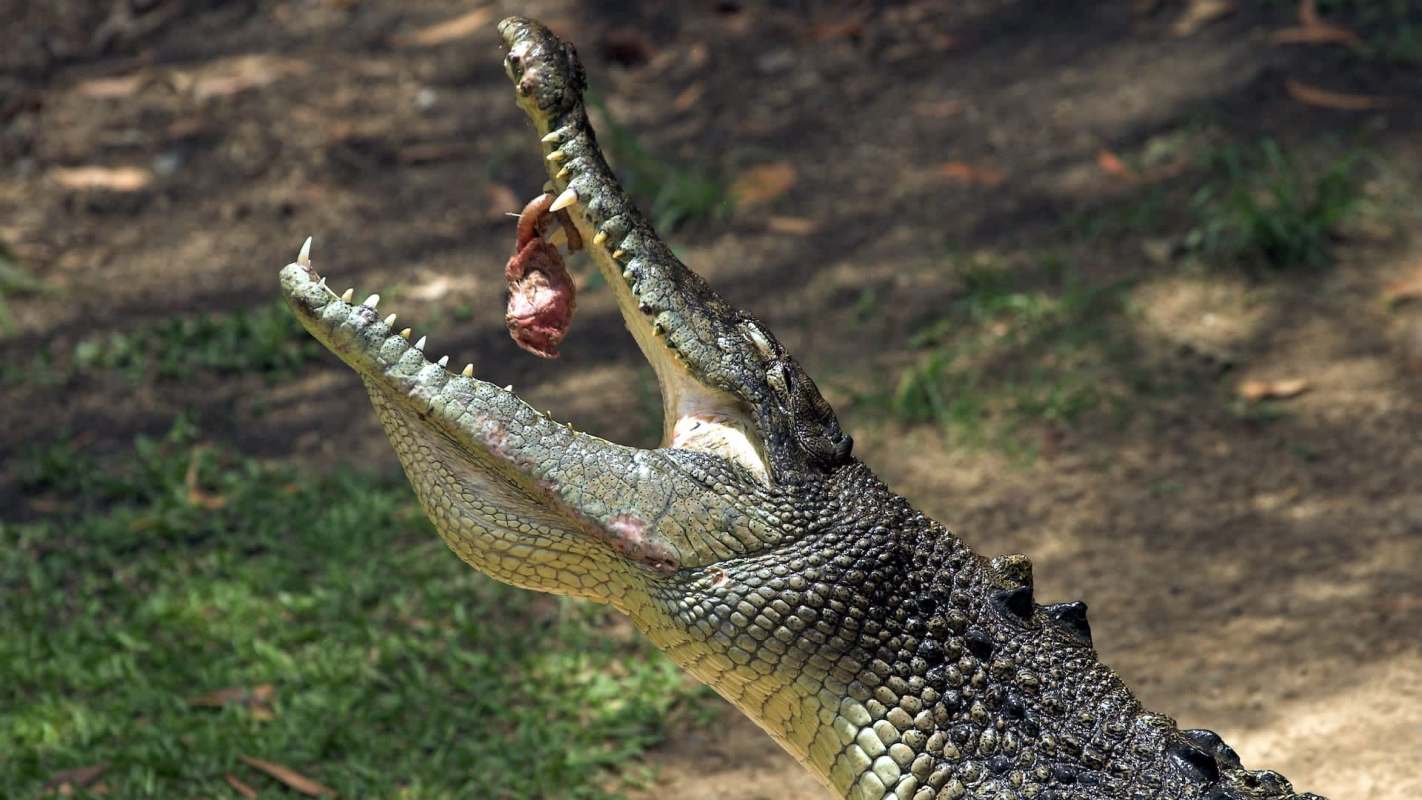
The Belize Forest Department is asking locals and tourists to stop feeding crocodiles and engaging with them.
There have been multiple run-ins between people and the crocodiles recently, including one incident in Caye Caulker Village. Even though no physical contact or injury was reported in that case, authorities are using it to emphasize how people should behave when coming across a crocodile.
Here's what to know
According to Greater Belize Media, the Belize Forest Department issued the warning after several reports and social media posts showed people getting dangerously close to crocodiles.
The department, alongside ACES Wildlife Rescue and the Crocodile Research Coalition, is reminding the public that crocodiles should be treated as wild animals, not as something to approach or feed.
The reptiles are native to Belize and are regularly found in mangroves, lagoons, wetlands, rivers, and coastal areas.
Nighttime swimmers in Caye Caulker Village were frightened when they came across a crocodile and almost didn't react quickly enough. No physical contact between the humans and the crocodile was reported. With more development moving into mangroves and coastal waterways, people and crocodiles are encountering one another more often.
TCD Picks » Quince Spotlight
💡These best-sellers from Quince deliver affordable, sustainable luxury for all




What worries officials most are reports that some crocodiles are being deliberately fed or drawn toward people, a pattern that can gradually alter their normal behavior. If crocodiles learn to connect humans with food, the chances of a dangerous encounter can increase for both residents and tourists.
More background
This overlap can become even more dangerous when food waste is left behind, fish scraps are tossed into the water, or wildlife is actively fed. In those situations, animals can start to lose their natural caution around humans.
Wildlife experts have long identified human behavior as a major factor in animal attacks and close calls. Habitat pressure, food conditioning, and human encroachment can all increase the likelihood of conflict.
Unsafe wildlife interactions can endanger people, place additional stress on local ecosystems, and create bigger challenges for responders who may be forced to manage animals that have already been conditioned by human contact.
What can be done?
The most effective step is to keep your distance.
The Belize Forest Department said people should never feed or touch a crocodile, try to provoke it, or attempt to capture, handle, or move it.
People should also stay out of the water after dark and avoid mangrove areas known to have crocodiles. In those places, children and pets should be kept a safe distance from the water's edge.
Residents and businesses can also help by keeping waterways clear of food waste, fish remains, and other trash that might draw crocodiles toward busier areas.
Reducing those easy food sources can help prevent the animals from linking people with meals.
If a crocodile appears unusually bold or its behavior seems concerning, the safest course of action is to report it rather than intervene.

Get TCD's free newsletters for easy tips, smart advice, and a chance to earn $5,000 toward home upgrades. To see more stories like this one, change your Google preferences here.







