


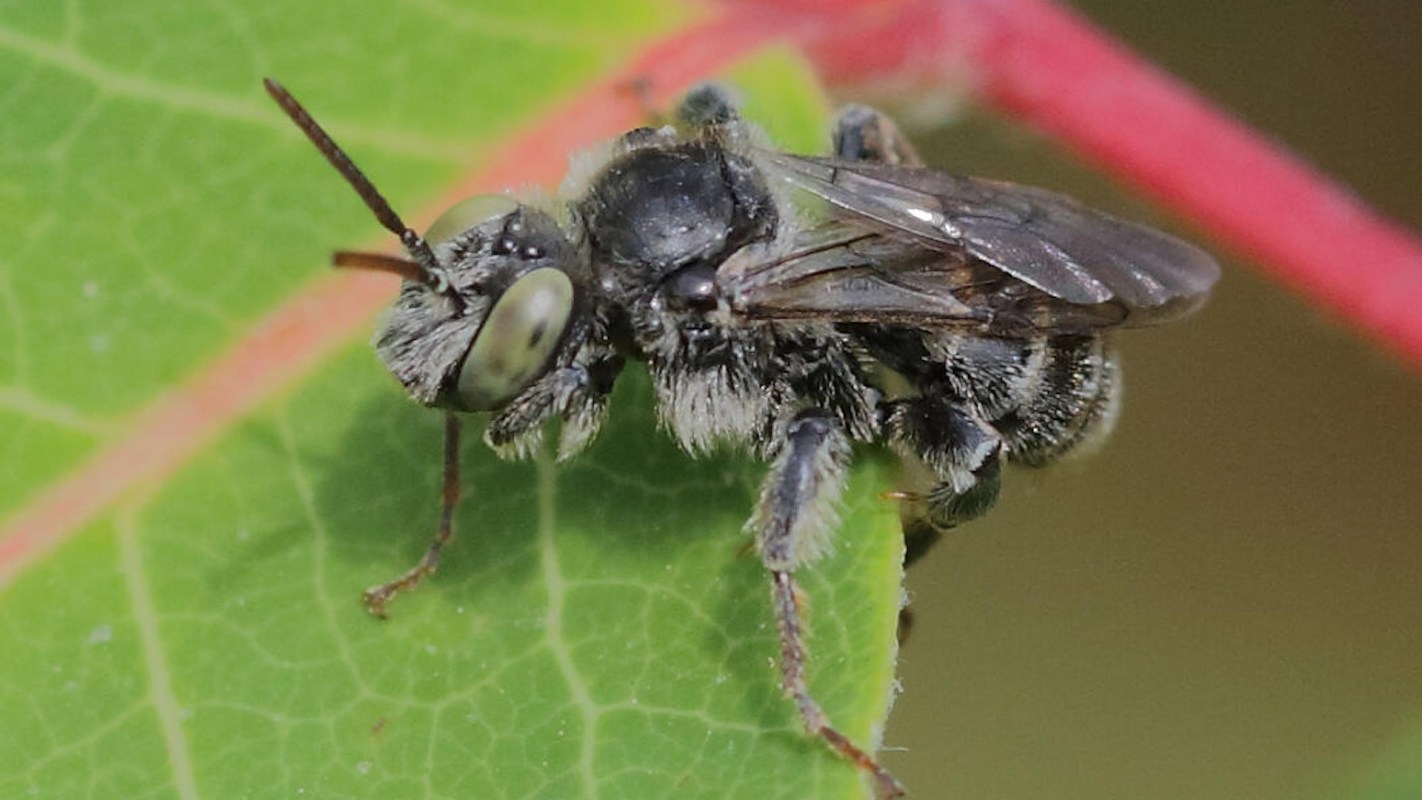
A bee long believed to have vanished has reappeared in Rhode Island.
According to The Boston Globe, scientists at the University of Rhode Island's Bee Lab have now logged more than 25 bee species not previously identified in Rhode Island. The Macropis cuckoo bee turned up in Rhode Island in 2024 after decades of being considered extinct, with no record since 1960.
At a time when pollinators are facing mounting threats worldwide, the discovery offers a rare piece of good news and could help shape more effective conservation efforts across the state.
The findings come from the Bee Lab's ongoing project to assemble a full checklist of Rhode Island bee species, according to The Globe. By surveying trails, preserves, and flowering plants throughout the state, researchers are building the kind of baseline data that can have a meaningful impact on ecosystems and communities alike.
That work carries weight far beyond academic interest. Citing the U.S. Fish and Wildlife Service, the Globe noted that bees and other pollinators contribute $34 billion to the U.S. economy each year and help pollinate more than 100 commercial crops in North America. At the same time, the Center for Biological Diversity warns that 1 in 4 native bees faces extinction risk.
Some of the newly documented bees are highly specialized. The southeastern blueberry digger bee, for instance, lives in loose, sandy ground and feeds only on blueberries, making it especially significant for berry production. Another species under study, the trout-lily mining bee, relies on a single spring wildflower.
TCD Picks » Quince Spotlight
💡These best-sellers from Quince deliver affordable, sustainable luxury for all




Those relationships underscore a basic reality of pollinator conservation: Protecting bees often means protecting the plants and habitats they depend on. When certain flowers disappear, the bees tied to them can disappear as well.
The Bee Lab's research is helping identify what different species need to survive, including where they live, what they eat, and the kind of soil they require for nesting. About 70% of Rhode Island's bee species nest in the ground, meaning conservation is not only about planting flowers. It can also involve preserving undisturbed soil, meadows, and other easily overlooked habitats.
The Bee Lab is also wrapping up a multiyear study on conservation plantings in Rhode Island and Connecticut, which The Globe noted is intended to help create improved seed mixes for meadow restoration across Southern New England.
That kind of research can improve public spaces, help farmers get more value from pollination, and create landscapes that are better able to withstand climate pressures and species decline.
Casey Johnson from the University of Rhode Island's Bee Lab told The Boston Globe that there are "over 280 different species in the state of Rhode Island," highlighting a level of pollinator diversity that many people likely do not realize exists.
Johnson also emphasized why documenting those species matters. "Being able to document where they are, the flowers that they're using, the different soil substrates that they might need to nest in, is going to be really important for management practices in the future."
The 2024 Macropis cuckoo bee sighting is an especially encouraging sign for the future of pollinator conservation. "We only have one other record of it from the 1940s and '50s," Johnson added.

Get TCD's free newsletters for easy tips, smart advice, and a chance to earn $5,000 toward home upgrades. To see more stories like this one, change your Google preferences here.







