


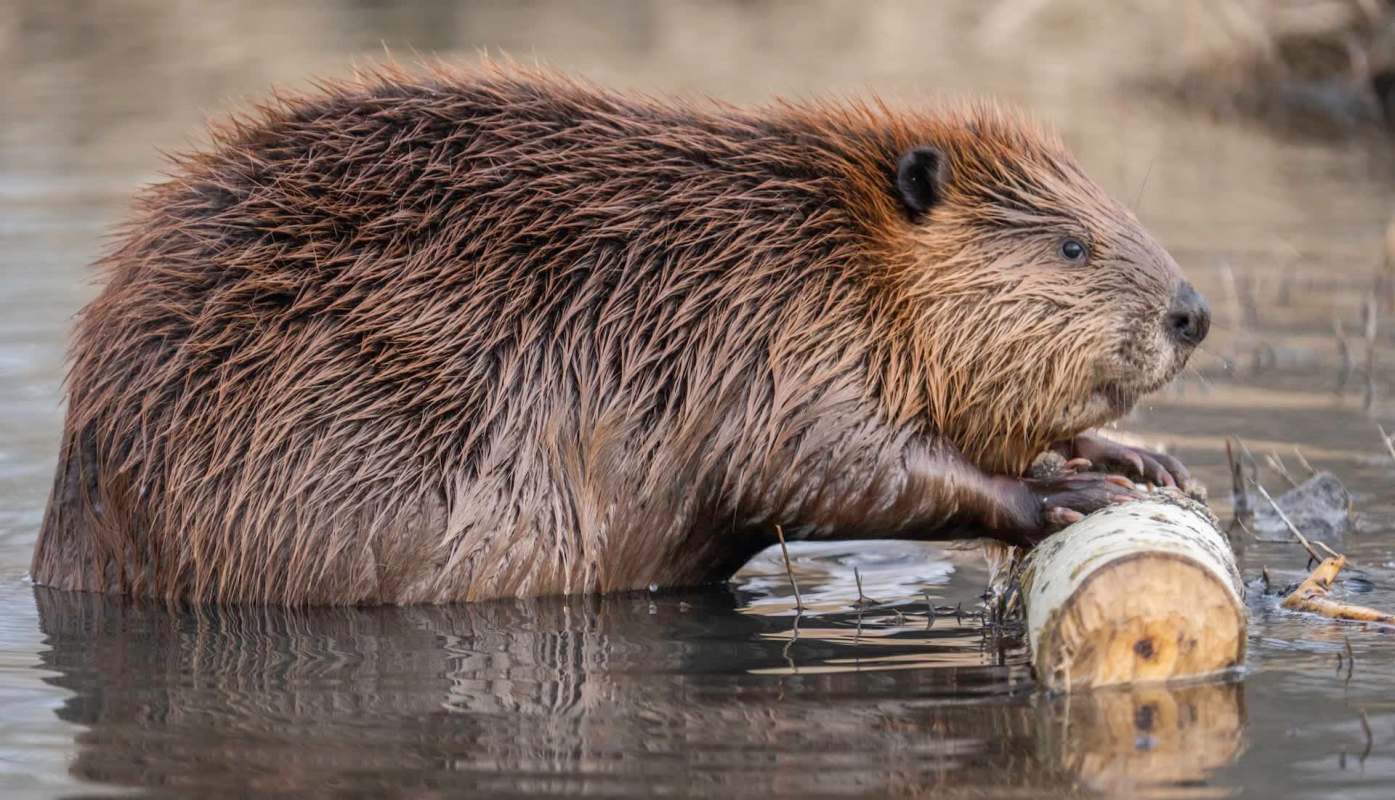
At Clark County Wetlands Park on the eastern edge of the Las Vegas Valley, experts say beavers' return could help strengthen the region's defenses against extreme weather events like droughts and wildfires.
What's happening?
According to the Nevada Current, the Clark County Wetlands Park covers 2,900 acres, taking in runoff and channelized water carried by the Las Vegas Wash on its way to Lake Mead. After decades of restoration, beavers are now part of that recovering landscape.
Within the park, the 210-acre Nature Preserve offers miles of trails through habitat that supports more than 370 species of wildlife.
"It's a unique feature in the Las Vegas valley where you can forget you're in Las Vegas," Ben Jurand, an environmental specialist, told the Nevada Current.
While an official count of the beavers in the region has not yet been conducted, Jurand told the outlet he suspects the ponds and streams in the park hold dozens of beavers. That is especially striking in Southern Nevada, where limited woody vegetation can make it more difficult for colonies to thrive.
Why does it matter?
By building dams, beavers change waterways in ways that have earned them a reputation as ecosystem engineers. They slow water, trap sediment, and help streams reconnect with nearby floodplains.
TCD Picks » Quince Spotlight
💡These best-sellers from Quince deliver affordable, sustainable luxury for all




Russell Woolstenhulme, Furbearer Staff Biologist for the Nevada Department of Wildlife, told the Nevada Current, "Beavers do fantastic things to help out riparian areas and stream bank erosion."
As dams slow down and spread out water, water quality can improve, and vegetation can recover.
Wetlands that retain more water behave more like sponges, keeping moisture on the landscape longer and reducing flood damage after storms. Stream corridors with better water supplies can also help reduce how widely and intensely wildfires burn nearby.
In a region dealing with drought and development pressure, healthier restored systems could help safeguard downstream water users while also offering cooler, greener places for residents and visitors.
What's being done?
The recovery of the wetlands stems from about 35 years of restoration work, according to the Nevada Current. That has included using "pole planting" to place branches directly into the ground where natural water flow can help them establish without extra irrigation.
Jurand said the method is meant to work with the landscape instead of against it.
"We use the topography and hydrology to our advantage to help give the trees a start while they are getting established without having to do an irrigation system," he told the Nevada Current.
Across Nevada, restoration teams are using low-tech, process-based tools such as Beaver Dam Analogs, human-built structures designed to mimic natural beaver dams. These approaches can help restart stream recovery and make landscapes more welcoming for beavers to return on their own.
According to the outlet, at Wetlands Park, staff have largely taken a hands-off approach with the beavers already living there. As Jurand put it, "Our motto is 'Be zen with the beavers.' We let them do their thing, and we work around them."

Get TCD's free newsletters for easy tips, smart advice, and a chance to earn $5,000 toward home upgrades. To see more stories like this one, change your Google preferences here.







