


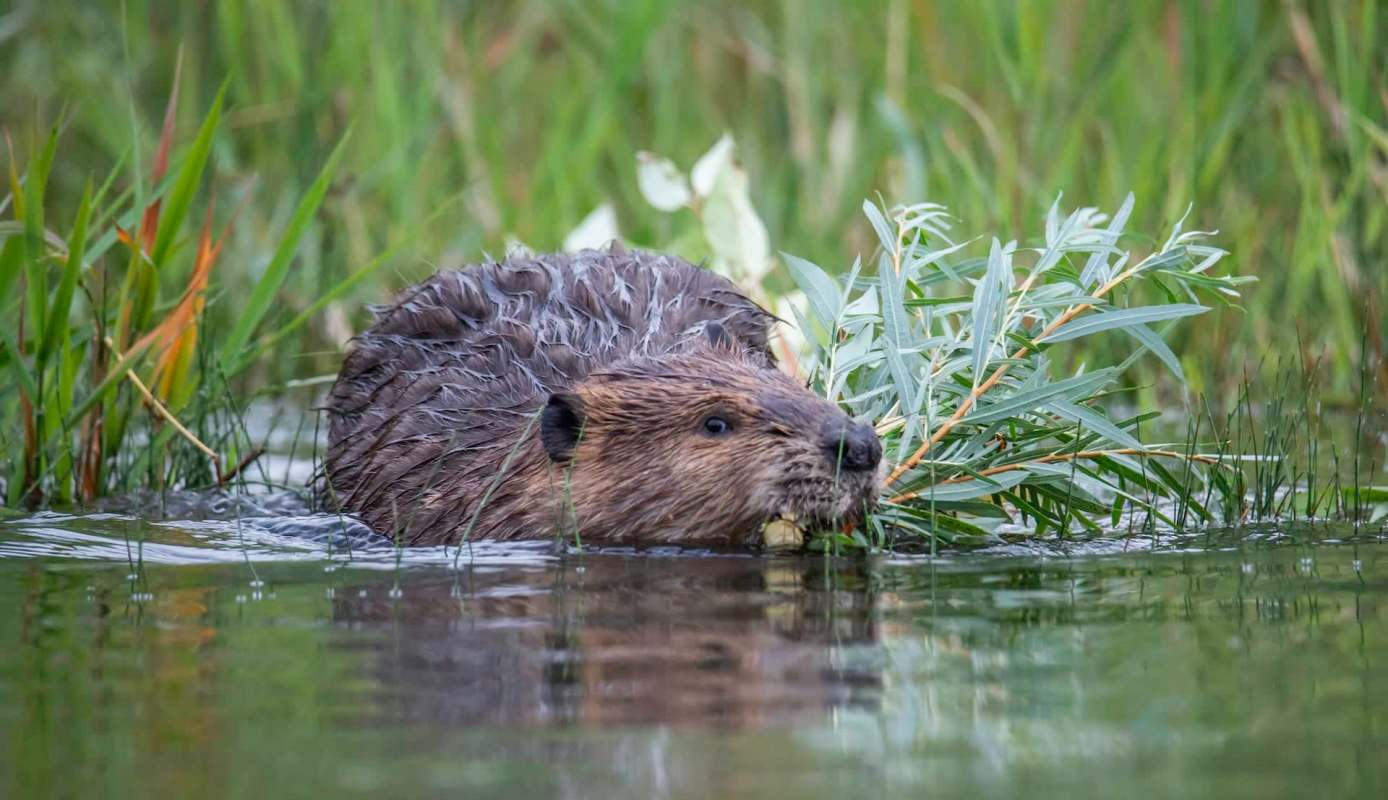
Officials say a beaver that attacked a 13-year-old boy at Cunningham Falls State Park in Maryland was later confirmed to have rabies, according to WBAL-TV, adding a serious public health concern to an already alarming wildlife encounter.
The boy is recovering, but the incident still prompted officials to temporarily close the swimming area.
Here's what to know
Per WBAL-TV, which cited the Maryland Department of Health, the Maryland Department of Natural Resources took custody of the beaver and had it euthanized so it could be tested. The result came back positive for rabies.
Officials said the teen was airlifted to Johns Hopkins Hospital in Baltimore after suffering injuries to his hands and chest. Authorities also closed the swimming area at the William Houck Area near the lake's North Beach and said it would stay shut for several days while crews worked to make the area safe for visitors.
Rabies cases in wild mammals are treated with urgency because the virus is extremely dangerous once symptoms appear. Bats, raccoons, and foxes are commonly associated with rabies, but any mammal can become infected.
Anyone who may have come into contact with the beaver or other wildlife was urged by officials to consult a health care provider and notify the Frederick County Health Department's Community Health Services Office at 301-600-3342.
TCD Picks » Quince Spotlight
💡These best-sellers from Quince deliver affordable, sustainable luxury for all




More background
A rabid beaver attacking a swimmer is not the kind of danger most parkgoers expect when heading to a lake.
Parks, beaches, and shoreline recreation areas bring people into spaces animals already use, and sick or stressed wildlife can behave unpredictably in those shared environments. As the BBC has explained, attacks can become more likely when human expansion and recreation increase contact with wild species.
Here, the response extended beyond treating the injured child: officials closed the public swimming area, moved quickly to identify any potential exposures, and, as WBAL-TV reported, kept the rest of Cunningham Falls State Park open to visitors.
What's being done?
Maryland Park Service staff and Maryland Natural Resources Police searched for the animal so rabies testing could be completed, WBAL-TV reported. Officials said they located one beaver, then continued checking the area for others while also trying to confirm that the captured animal was the one involved in the attack.
The Department of Natural Resources said any decision to reopen the swimming area would be made in coordination with the Park Service and the Natural Resources Police.
Avoid approaching wildlife, keep a wide distance from animals that seem aggressive or disoriented, and report concerning behavior to park staff right away. Anyone who is bitten, scratched, or may have been exposed to saliva from a wild animal should immediately seek medical attention.
Where can I learn more?
Similar incidents — along with broader shifts in how animals behave around people — are occurring in lakeside communities, neighborhoods, and restored habitats far beyond Cunningham Falls State Park.
• In Mahwah, New Jersey, a charging beaver bit an 8-year-old fishing from shore.
• Across urban communities, a growing number of incidents with coyotes and other wildlife are prompting alarms.
• In restored wetlands, beavers' impact on wildlife is delivering unexpected advantages for bats.

Get TCD's free newsletters for easy tips, smart advice, and a chance to earn $5,000 toward home upgrades. To see more stories like this one, change your Google preferences here.







