


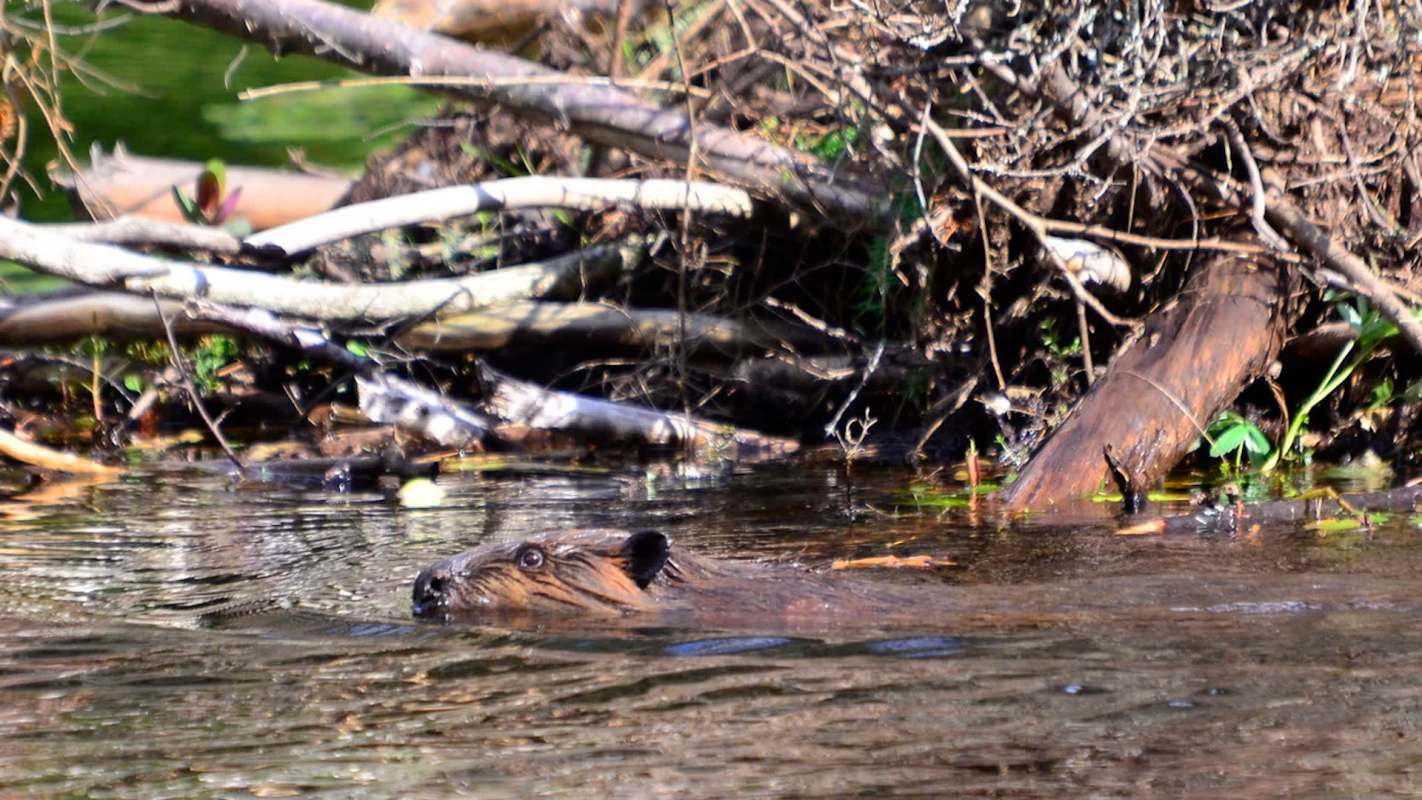
A debate over wildlife management in Horry County, South Carolina, has intensified as one resident publicly challenged a policy that offers money for killing beavers.
Here's what to know
Since 2022, the Horry County Stormwater Department has operated the Beaver Reduction Program, according to WMBF News. The program pays licensed participants to kill the animals and later submit their frozen front paws.
According to the outlet, to participate in the Beaver Reduction Program, people must have a valid SCDNR hunting license and commercial furbearing trapper license, or a depredation permit. The county's website says the program is meant to lower beaver numbers and reduce damage from their dams, but not eliminate the animals entirely.
Resident Kristi Hinton told WMBF that she has repeatedly tried to contact the Stormwater Department but that it has not responded to the voicemails she left to raise her concerns. WMBF's request for comment was also declined by Horry County.
"One of the big concerns we have is that these are native creatures, and we're all concerned about loss of habitats, and these things need to be considered when we're coming up with policies," Hinton explained to WMBF. "More humane methods need to be come up with. Not asking that beavers be killed and their paws hacked off."
More background
While beaver dams can create real drainage and property problems, beavers are also native animals, making lethal control controversial for residents who want local governments to prioritize less harmful solutions first.
TCD Picks » Quince Spotlight
💡These best-sellers from Quince deliver affordable, sustainable luxury for all




Beavers can also be beneficial, helping to improve water quality, establish wetland habitats, and reduce the risk of flash flooding during extreme weather.
Hinton is not arguing that stormwater concerns should be ignored. She just wants the county to try humane alternatives before turning to a bounty system. In her view, native wildlife issues should prompt more emphasis on deterrence and other nonlethal approaches.
Clearer communication from local agencies could help. If counties explain when and why lethal measures are used, what alternatives were explored, and how success is measured, communities are better positioned to weigh practical concerns alongside humane treatment.
Where can I learn more?
The fight over beaver management in Horry County mirrors disputes elsewhere over how officials handle wildlife when property, safety, and habitat concerns collide. Residents and advocates in these cases are asking governments to explain lethal policies and consider the ecological fallout before moving ahead.
• In Alaska, officials revived an inhumane hunting practice targeting bears and wolves.
• In California, policymakers faced backlash over a water policy decision affecting fish and ecosystems.
• In Myrtle Beach, residents pushed back as forest conservation concerns collided with new development.
These disputes show how quickly wildlife decisions can turn into public trust issues, especially when lethal control or habitat damage is involved.

Get TCD's free newsletters for easy tips, smart advice, and a chance to earn $5,000 toward home upgrades. To see more stories like this one, change your Google preferences here.







