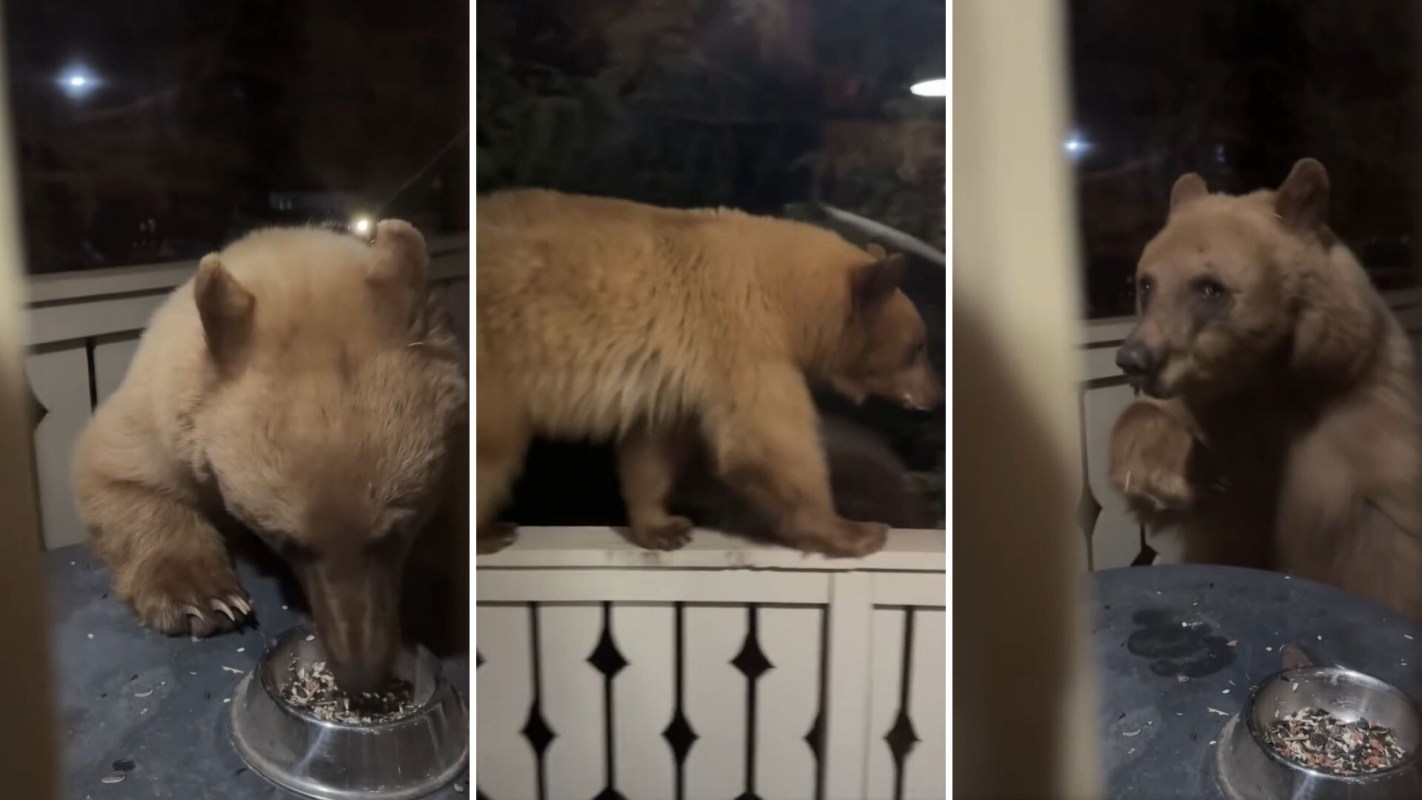
A black bear was caught on camera helping itself to bird seed on a porch in Red River, New Mexico, in what local police jokingly described as an "all-you-can-eat breakfast buffet."
But behind the humor is a more serious reminder: When people leave out easy food sources, wild animals can quickly become comfortable approaching homes.
What happened?
According to UPI, the Red River Marshal's Office shared the incident on social media after a resident in the Silver Bell area recorded the bear visiting the porch early Wednesday morning.
In the footage, the bear casually eats bird seed left outside in a bowl, appearing completely at ease near the home.
The marshal's office used the moment to mix humor with a warning, joking that the porch had earned a "5-star review" from the bear: "Great service. Zero effort required. Will absolutely be back."
Officials then urged residents to "shut down the porch buffets before we end up fully booked with unwanted guests."
TCD Picks » Good Store Spotlight
Get 10% off your next purchase with code TCD10




Once bears discover a reliable, low-effort food source near people, they often return repeatedly.
Why is this concerning?
While a bear snacking on bird seed may seem harmless or amusing at first, wildlife experts warn that food-conditioned animals can create risks to both humans and themselves.
When bears start associating homes with food, they may begin investigating porches, trash cans, grills, pet food, vehicles, and even doors and windows. That can increase the likelihood of property damage, frightening encounters, or injuries.
It can also end badly for the bears. Wildlife that repeatedly seeks human food is more likely to be relocated or euthanized if it becomes a recurring safety issue.
TCD Picks » Quince Spotlight
💡These best-sellers from Quince deliver affordable, sustainable luxury for all




Human behavior is often a major factor in these encounters. Bird feeders, unsecured garbage, and outdoor pet food can unintentionally train wild animals to ignore their natural boundaries and return to residential areas.
Expanding development near forests and wildlife habitats also increases the chances of encounters between people and large animals.
Changing environmental conditions play a role as well. Shifting seasonal patterns and rising temperatures can affect the timing and availability of natural food sources, potentially pushing wildlife to search more aggressively for easy meals.
That is one reason wildlife agencies around the country consistently advise residents not to feed wild animals, even indirectly.
What can I do to prevent bear encounters?
The most effective prevention strategies are usually simple.
In bear-prone areas, officials recommend bringing bird feeders inside when bears are active, securing garbage in wildlife-resistant containers, storing pet food indoors, cleaning outdoor grills, and avoiding leaving edible items outside or in vehicles.
If bird feeders repeatedly attract bears, wildlife experts often advise removing them entirely.
In this case, the New Mexico bear may have found an easy breakfast. But local officials made it clear that if residents continue leaving food out, they should expect more wild visitors to keep coming back for seconds.

Get TCD's free newsletters for easy tips, smart advice, and a chance to earn $5,000 toward home upgrades. To see more stories like this one, change your Google preferences here.