


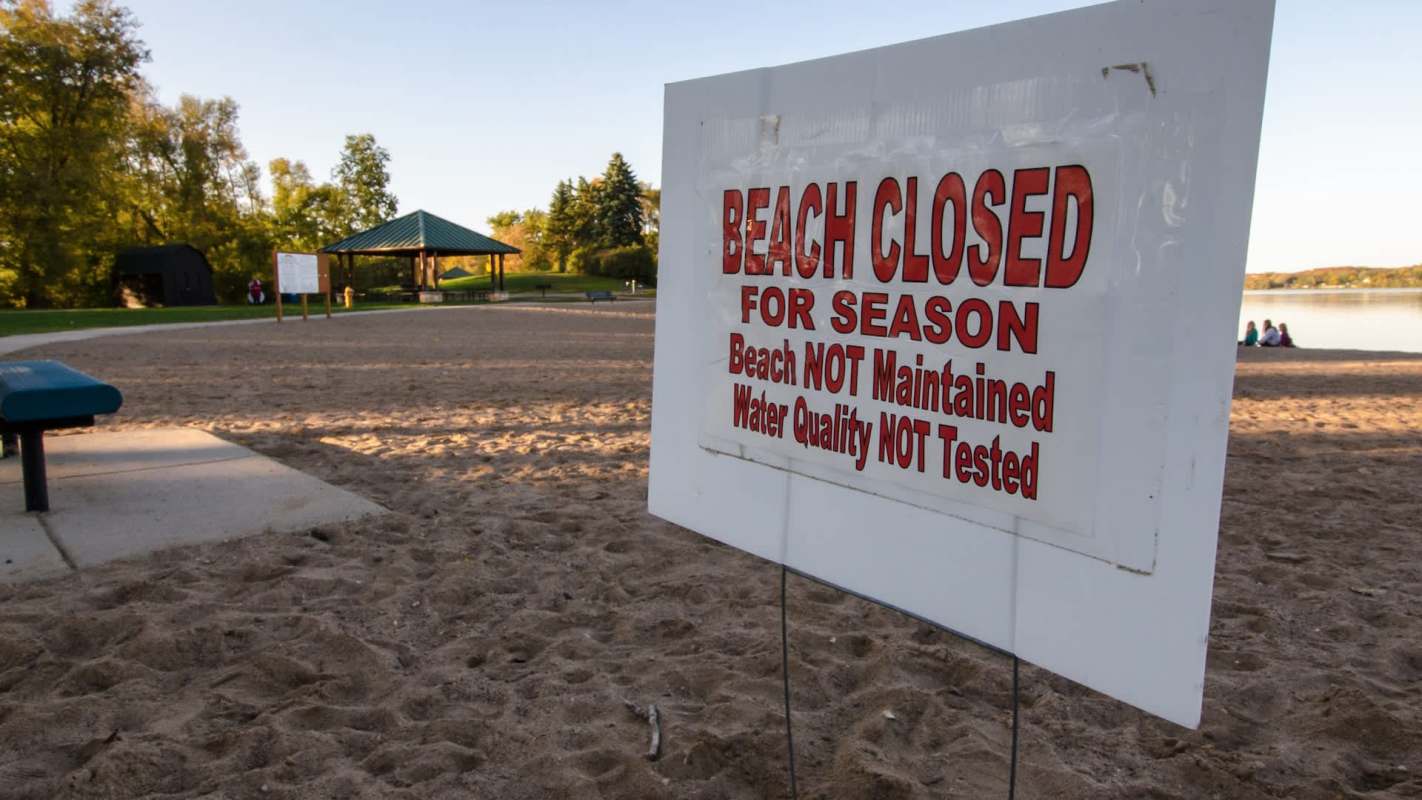
Just as summer begins, beaches are being closed.
Notices warning against swimming are appearing at beaches and lakes across the United States as bacteria readings climb.
Officials in places ranging from New York City's waterfront to Iowa's lakes are telling prospective swimmers to avoid the water at the outset of the season.
What's happening?
Tests showing elevated fecal bacteria have led authorities in several states to either close beaches and freshwater swimming areas or post advisories, according to Fox Weather.
The states most affected are New York, Massachusetts, New Jersey, Iowa, and Washington.
Over Father's Day weekend, Massachusetts saw dozens of beach closures, including in coastal areas on Cape Cod and along the North Shore. New York City also flagged multiple beaches in Brooklyn, Queens, and the Bronx after samples detected high levels of enterococci.
TCD Picks » Quince Spotlight
💡These best-sellers from Quince deliver affordable, sustainable luxury for all




In Washington, King County temporarily shut popular swim spots near Lake Washington and Lake Meridian. Iowa, meanwhile, placed eight beaches under "swimming not recommended" advisories because E. coli was elevated, and New Jersey posted advisories for several beaches and lakes while closing one location in Upper Township.
Why does it matter?
Beach closures are intended to reduce the risk that contaminated water will make people or pets sick, the U.S. Environmental Protection Agency has said.
Enterococci and E. coli are often used as warning signs of fecal contamination. They do not always mean someone will get sick, but they can signal that other harmful pathogens may be present.
Contamination can come from storm runoff, leaking sewers, sewer overflows, pet waste, and septic systems that are failing.
That means these issues are not confined to one coastline or one type of recreation area. They can affect urban beaches, suburban lakes, and rural swimming spots alike.
What's being done?
In New Jersey, officials sample roughly 195 ocean sites and 25 bay locations every week. State and local agencies are testing water and issuing closures or advisories when bacteria readings exceed health limits.
"Swimming, diving or wading in water contaminated with fecal bacteria can result in gastrointestinal illness (such as diarrhea or vomiting), respiratory illness and other health problems," the EPA warned, per Fox Weather.
The organization added that "skin, ear, eye, sinus, and wound infections can also be caused by contact with contaminated water."

Get TCD's free newsletters for easy tips, smart advice, and a chance to earn $5,000 toward home upgrades. To see more stories like this one, change your Google preferences here.







