


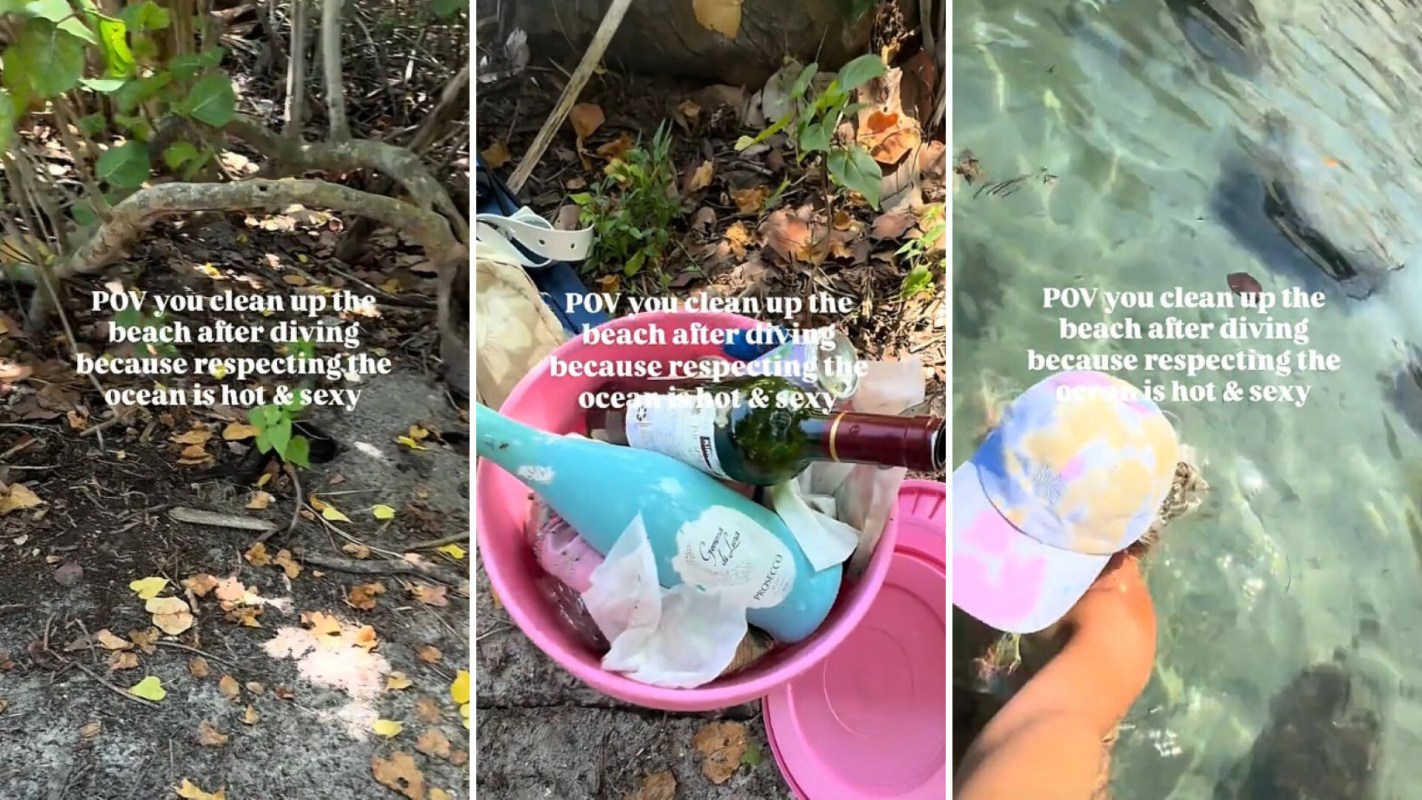
A diver on a Florida beach showed how quickly a small cleanup can make a visible difference, filling a bucket with shoreline trash in under a minute after a day in the water.
The scoop
In a video shared on TikTok by InnerLightLisa (@innerlightlisa), a diver documented a quick beach cleanup after diving: "Filled up just one bucket in less than 60 seconds!!"
The post framed picking up the trash as a natural follow-up to spending time around marine life. It also sheds light on how much litter can accumulate in coastal habitats shared with wildlife.
@innerlightlisa cleaning up the beach after a full day of diving with sea creature friends-- it just makes sense🐬✨🫧🌀🦀!!! if you're local you know exactly where this is, and it's so sad that we don't respect our beloved beaches the way we should, by cleaning up after ourselves! animals are just tryna live and us humans being careless takes a toll on them & where they LIVE 🌊 @shay and i filled up just one bucket in less than 60 seconds!! it goes to show that helping keep our ocean clean of trash takes just a few minutes of your day✨ #beach #beachcleanup #southflorida #jupiterflorida #floridabeach ♬ original sound - lala
"It's so sad that we don't respect our beloved beaches the way we should, by cleaning up after ourselves!" the caption read.
This was not a large, organized event with trucks and volunteers lined up along the coast. It was a quick, personal cleanup showcasing how much trash can be gathered in a small amount of time when people decide to act.
Beach litter is more than an eyesore. It can wash back into the ocean where animals may become entangled in it or mistake it for food. Smaller fragments can also break down into microplastics that spread throughout marine ecosystems.
TCD Picks » Quince Spotlight
💡These best-sellers from Quince deliver affordable, sustainable luxury for all




Why is this significant?
Discussions of ocean plastic often focus on huge global numbers, making the problem seem insurmountable. This act of ocean kindness shows how to help tackle beach pollution in less than a minute.
Less trash on the sand reduces hazards such as sharp debris, minimizes unpleasant encounters with litter during walks or swims, and facilitates a more welcoming coastline for residents and visitors alike. When coastal habitats are kept clean, local wildlife is less likely to come across foreign objects, keeping them safe.
For places that depend on healthy beaches, there is an economic impact to consider as well. Shorelines that are cleaner and better cared for are more enjoyable to use, attracting more beachgoers, which supports recreation and the local businesses.
What can be done?
Bringing a bag or bucket on a beach trip, picking up a few items before leaving, and properly disposing of waste can all help keep trash from blowing back into the water.
It also helps to reduce the amount of disposable plastic brought in the first place. Choosing reusable bottles, food containers, and shopping bags can cut down on the single-use items that end up as litter. For people looking to make those swaps at home, choosing plastic-free options for everyday products can reduce waste, limit repeated spending on throwaway items, and lower the odds of plastic reaching beaches and waterways.
Community cleanups alongside small personal efforts make a huge difference. While a single person can't fix ocean pollution on their own, even a short cleanup can make a shared area safer for wildlife and better for everyone who uses it.
As the TikToker wrote, "Because respecting the ocean is hot and sexy."

Get TCD's free newsletters for easy tips, smart advice, and a chance to earn $5,000 toward home upgrades. To see more stories like this one, change your Google preferences here.







