


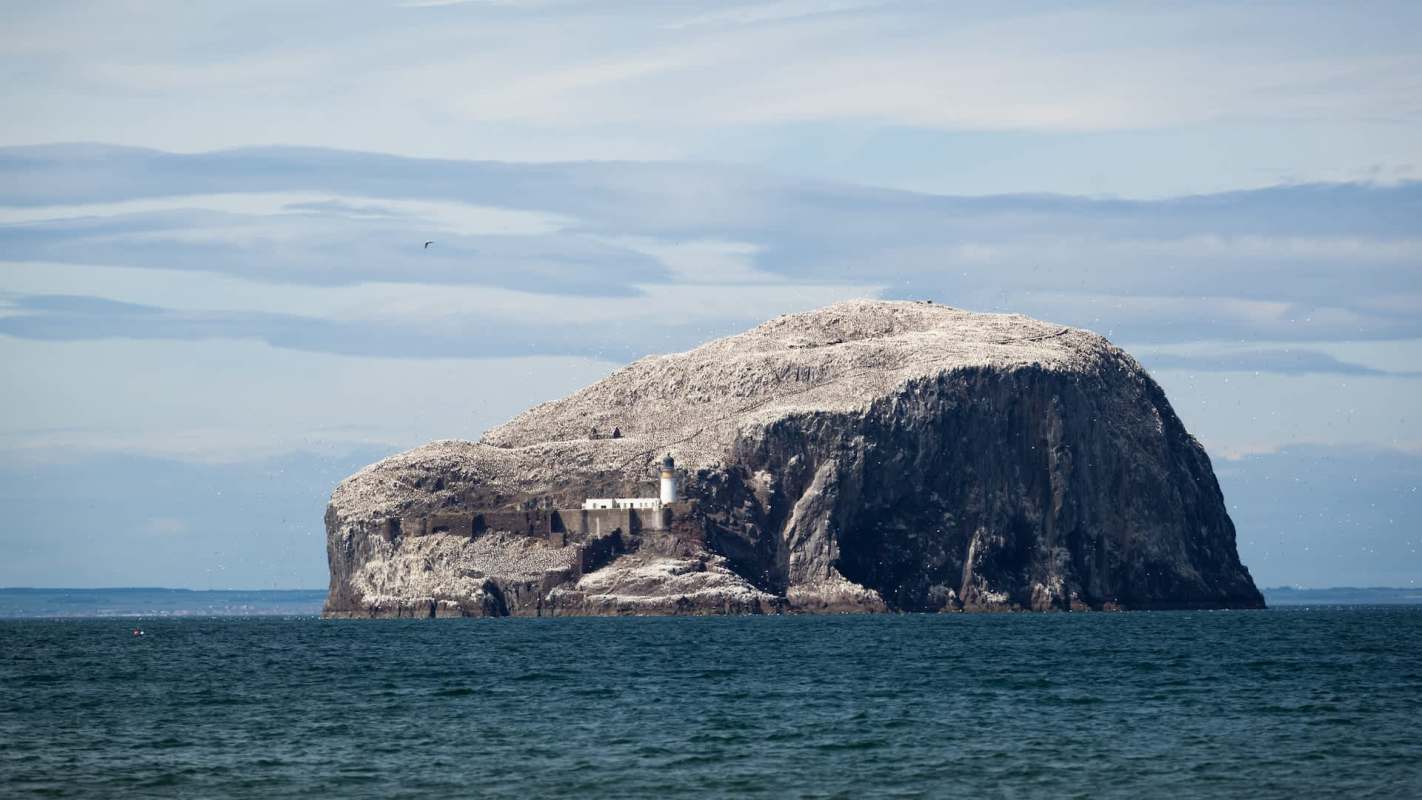
A change in ownership at Bass Rock, the rugged island nicknamed "Scotland's Alcatraz," could bring important benefits for the tens of thousands of seabirds that rely on it.
The site, considered globally significant for wildlife, supports about 100,000 gannets and 10,000 puffins. It is now in the spotlight because the family that held it privately transferred it to a conservation organization to help safeguard the colony, according to Good News Network.
What happened?
For 320 years, the Dalrymple family owned Bass Rock and Craigleith, an uninhabited island nearby in the Firth of Forth. They have now sold both to the Royal Society for the Protection of Birds, so the islands can be managed entirely for conservation.
Sir Hew Dalrymple said that concern for the birds prompted the decision. "I made the decision to do this because of the risk these birds are now facing," he said to reporters. Dalrymple added, "I thought an organization like the RSPB would be better equipped to protect the islands and their wildlife than a private individual."
Sir David Attenborough had previously described Bass Rock as one of the "12 wildlife wonders of the world." Its seabirds nest among the remains of a 1300s castle and a 1600s prison, with the prison helping give the island its "Alcatraz" nickname.
The RSPB paid about $680,000 for the pair of islands, with backing from the National Heritage Memorial and Lottery funds. The transfer comes after years of conservation work on Bass Rock with the Scottish Seabird Centre, efforts credited with lifting the puffin population into the tens of thousands and removing an invasive tree species.
TCD Picks » Quince Spotlight
💡These best-sellers from Quince deliver affordable, sustainable luxury for all




Why does it matter?
Threats to seabirds in Scotland have been mounting. Deaths have increased, and human development and pollution continue to exacerbate issues.
Placing the islands in the hands of a dedicated conservation group could allow faster, more coordinated protection for species already facing mounting threats.
Healthy seabird populations are also part of healthy marine ecosystems, which in turn support the people and economies connected to them. Protecting iconic habitats preserves biodiversity, public access to nature, and a sense of place that communities can pass down for generations.

Get TCD's free newsletters for easy tips, smart advice, and a chance to earn $5,000 toward home upgrades. To see more stories like this one, change your Google preferences here.







